
Reviewed · COOKING CLASSES IN MEXICAN KITCHENS
Private Mexican Cooking Class with Gastronomic Historian, Lucia
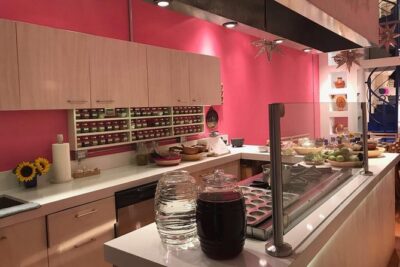
Cooking in Lucía’s home feels like Mexico food. This private Mexico City class is interesting because you’re not in a studio, you’re in Lucía’s own kitchen, guided by her food-history storytelling as you cook. I especially liked the intimate home setting (with garden time and a proper sit-down meal), and I liked how the class ties each dish to the ideas behind Mexican cuisine. The main drawback is simple: at $145 per person, it can feel pricey unless your group size makes it worth the private, hands-on time.
This 3-hour experience is built for real learning. You choose hands-on cooking or a live demonstration, you get a menu with multiple options, and you leave with enough techniques and flavor logic to cook again at home.
In This Review
- Key things that make this class worth your time
- Lucía’s historian approach: food culture you can cook
- How the 3 hours work: hands-on cooking or a great live demo
- Where you meet and what to expect in San Ángel
- The menu: what you might cook (and why those dishes teach a lot)
- Starters: soups with deep flavor
- Mains: chiles, meat, and rich sauces
- Dessert: fruit-forward and custardy sweets
- Salsas, chiles, and those kitchen tips you’ll use later
- Alcohol pairing and eating outside like a local
- Dietary needs: how to make it work for your group
- Price and value: is $145 per person worth it?
- Who this class is best for (and who should think twice)
- Should you book Lucía’s private cooking class in Mexico City?
- FAQ
- Is this class private?
- How long is the cooking class?
- What language is the class offered in?
- Do I get to cook, or can I watch?
- What food do you eat?
- Are alcoholic beverages included?
- Can the menu be adjusted for dietary restrictions?
- What if I have allergies?
- Where does the experience start and end?
- What is the cancellation policy?
Key things that make this class worth your time
- Private home setting in San Ángel: a real neighborhood feel, not a commercial cooking room.
- Lucía as a gastronomic historian: you get cultural context while you cook, not just steps.
- You pick your level of participation: hands-on or watch from a comfortable setup.
- A full menu with drinks: starters, mains, dessert, plus local alcohol like tequila or beer.
- Easy dietary customization: vegetarian options and other restrictions can be handled if you tell them ahead.
Lucía’s historian approach: food culture you can cook
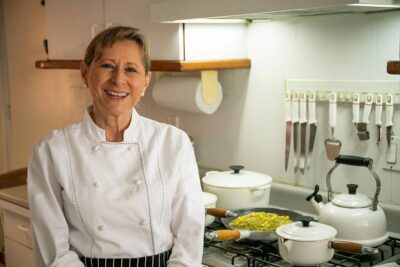
This class has a big advantage over typical cooking tours: Lucía does not treat food as just recipes. She teaches you what’s going on in Mexican kitchens, including how food choices connect to culture and the way Mexico City has changed over time.
You’ll feel that in the way she explains ingredients. Instead of only saying what to do, she frames why certain chiles, beans, greens, and sweets show up across different dishes. That makes the cooking lesson stick, because you understand the logic, not just the motion.
And she’s warm. Multiple people highlight how welcoming she is, how the space feels friendly, and how the night turns into an actual shared meal with stories, not a stiff lesson that ends the moment the plates clear.
Still deciding? These kitchen sessions in Mexico City are reviewed too
- Mexican Cooking Class with Food Market Visit in Mexico City
★ 5.0 · 506 reviews - Essence of Mexico: Authentic Mexican Cooking Class & Market Tour
★ 5.0 · 289 reviews - Mexican Cooking Class & Cocktails in Mexico City
★ 5.0 · 134 reviews - Private Mexican Cooking Class with Gastronomic Historian, Lucia
★ 5.0 · 110 reviews - Mexico City: Mexican Cooking Class
★ 4.8 · 85 reviews
How the 3 hours work: hands-on cooking or a great live demo
The format is flexible, and that matters because people learn in different ways.
At the start, you’re brought into the home kitchen and you choose how involved you want to be. If you go hands-on, you’ll be cooking alongside Lucía. If you prefer to watch, you can observe her technique closely while still learning from the explanations.
Either way, the timing usually follows a natural rhythm:
- You start with a starter plan, then move into salsa and core components.
- You cook the mains as a group, with Lucia steering and adjusting the flow.
- You finish with dessert and coffee or tea, then sit down to enjoy the meal you made.
A detail that keeps showing up in feedback is how organized Lucía is. Even when the group includes kids, she manages the station setup so adults can work and others can watch. That’s not always true in hands-on classes.
Where you meet and what to expect in San Ángel
Your class begins at Santo Desierto, Tizampampano, Mexico City (CDMX), and it ends back at the same starting point. In practice, you’ll want to plan the trip with this in mind, because you are going to a private home experience, not a big public venue.
One practical tip stands out: don’t rely only on Google Maps. Use the address information you receive for the booking, because people reported that mapping apps can send you to the wrong spot. It’s a small thing, but it can save you stress right before a food-focused evening.
The neighborhood context helps too. People describe San Ángel as charming and walkable, with cobblestones and colonial architecture. So even if the class is your main event, you’ll likely get a chance to enjoy the area before or after.
The menu: what you might cook (and why those dishes teach a lot)
The sample menu gives you a sense of the range, and the big message is variety. You’re not just making one “safe” dish. You’ll work with different flavors and textures, from soups to stuffed chiles to dessert.
Starters: soups with deep flavor
You may see options like:
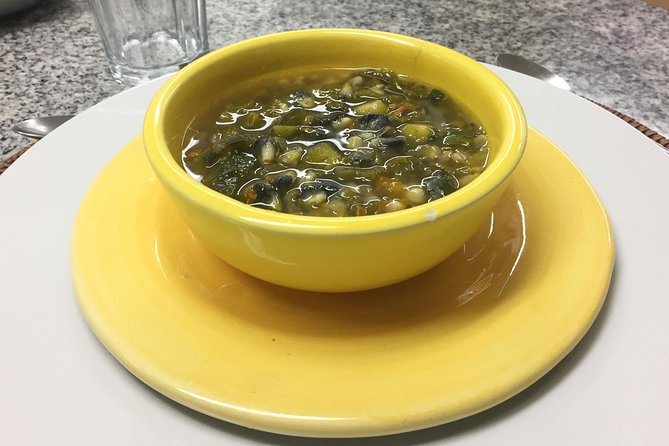
- Nopalitos soup in bean broth
- Lima soup, tortilla soup, or Aztec soup
What I like about starting with soups is that they teach you the foundation. Soups force you to think about building flavor step by step, especially when chiles and beans are involved. It also sets you up for the main dishes without turning the meal into a heavy food marathon too early.
Private bookings in Mexico City we have also put through the notes
- Teotihuacan Private Tour from Mexico City★ 5.0 · 1,890 reviews
- Private Tour: Teotihuacan and Guadalupe Shrine★ 5.0 · 938 reviews
- Private City Tour in Frida Kahlo, Coyoacan, and Xochimilco★ 5.0 · 626 reviews
- Mexico City Custom Private Tour with a Local, Highlights & Hidden Gems★ 5.0 · 582 reviews
- Teotihuacan Private Tour with Expert Guide & Cultural Insights★ 5.0 · 577 reviews
- 100% Private Tour in Teotihuacán Pyramids from Mexico City★ 5.0 · 449 reviews
- Private City Tour Mexico City – Best Rated★ 5.0 · 402 reviews
Mains: chiles, meat, and rich sauces
Main-course options can include:
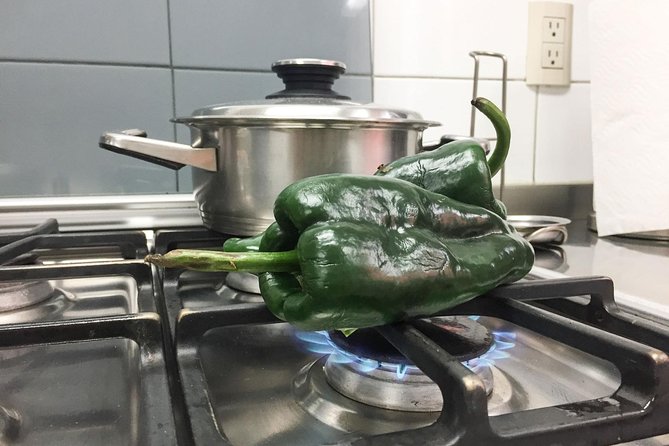
- Albondigas en salsa de chile chipotle meco
- Chiles en nogada
- Encacahuatado with chicken
- Pork in verdolagas
- Mexican white rice, red rice, or black rice served with platano macho
This is where the historian angle helps, because you can taste regional and cultural patterns in one lesson. You’re learning how Mexican kitchens balance heat, savory depth, and sauce work.
A highlight from people who booked is that you may be offered choices for mains rather than only one fixed menu. That’s a good sign for a private class because it means you can shape the experience to what your group actually wants to eat.
Also, for families and mixed groups, this kind of menu is less intimidating than a “one size fits all” cooking class. There are options for different tastes and appetites.
Dessert: fruit-forward and custardy sweets
Dessert options might include:
- Dulce de guayaba or dulce de mamey
- Flan de cajeta
- Gollorias
Plus coffee or tea
Dessert is not an afterthought here. You’re given choices, and the dessert style is very Mexican, especially with fruit pastes and custard flavors. It’s a good last lesson too, because it shows how sweetness can be built from fruit rather than just sugar and cream.
And in some classes, people report learning additional desserts and special touches, like guava-based sweets. Since the menu can vary by season, it’s smart to keep your mind open and treat the dessert as part of the local story.
Salsas, chiles, and those kitchen tips you’ll use later
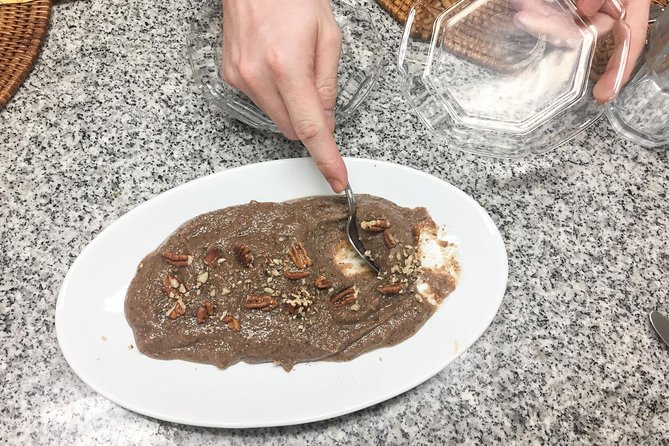
The best thing a cooking class can do is leave you with repeatable skills. In this case, people consistently mention that Lucía gives practical cooking tips that work at home.
Here are the kinds of things you should pay attention to during the lesson:
- How she handles chiles and builds sauce layers, not just how to chop.
- How she balances salt, acidity, and spice so the final plate tastes complete.
- How she uses fresh ingredients to keep flavors bright, even in heavier dishes like stuffed chiles or meat in sauce.
In addition, some people mention making multiple salsas and learning different styles of tortillas and fillings. When the class includes items like sopes, quesadillas, guacamole, or special chile-based recipes, you get repetition. Repetition is how you actually get comfortable enough to cook again later.
One more “small but smart” detail: hands-on doesn’t mean you’re left alone. People emphasize that Lucía helps you through each step and keeps things flowing so you’re learning, not panicking.
Alcohol pairing and eating outside like a local
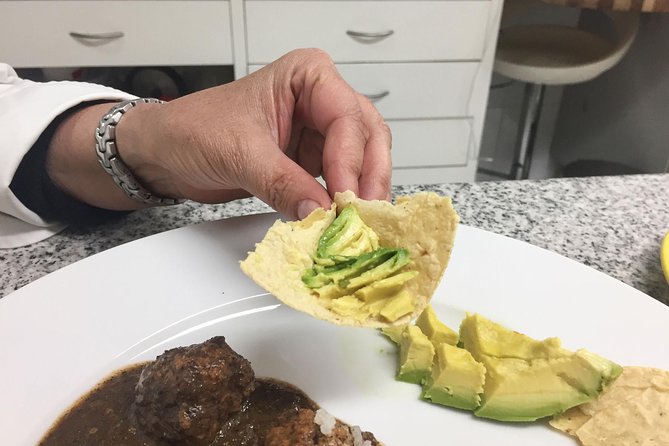
Food tastes better when you slow down. This class includes alcoholic beverages, often Mexican beer or tequila, with the meal.
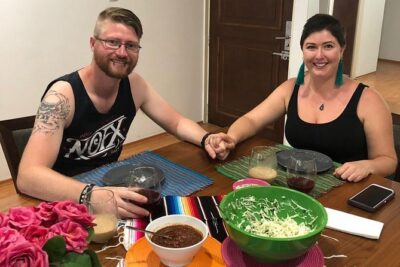
That changes the vibe. You’re not just cooking and running. You cook, then you sit and eat in the home environment, with drinks that match the flavors. A number of people describe enjoying the meal on a patio, surrounded by flowers and trees. That matters because the class becomes a full evening, not a 3-hour “activity” that leaves you hungry and rushed.
If you want a fun date night or a family-friendly memory, this pacing helps. One family mentioned that Lucía even brought toys to keep a younger child busy while adults cooked and ate. That’s the kind of thoughtful hospitality you remember.
Dietary needs: how to make it work for your group
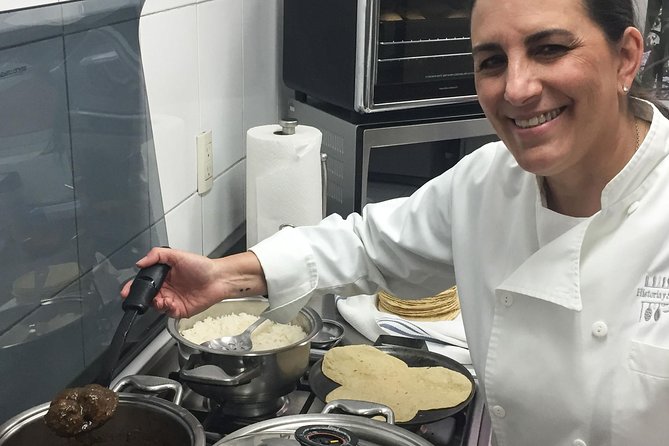
The class is designed to be adaptable. Lucía can accommodate vegetarians and guests with dietary restrictions, as long as you tell them when booking.
For you, the best move is to send dietary needs clearly and early, including:
- Vegetarian preference
- Any allergies
- Anything you do not eat
Since you’re booking a private class, customization is more realistic than in a public group session. Still, give details up front so the menu adjustments can be planned, not improvised at the last second.
Also, if you have strong preferences, share them. People mention that Lucía is willing to tailor the class and dishes to what’s most relevant for the group, including veggie-focused menus that still feel substantial.
Price and value: is $145 per person worth it?
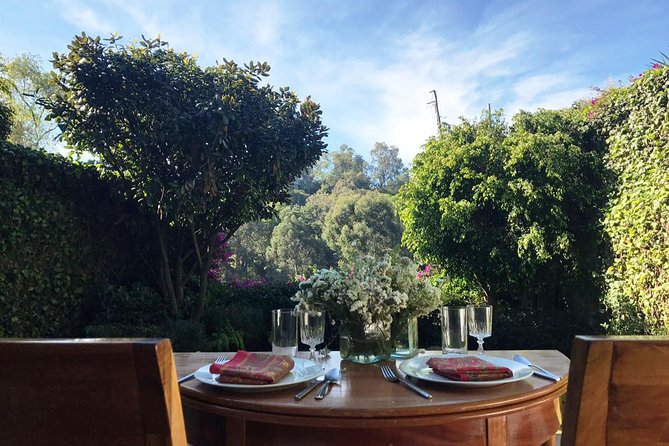
At $145 per person, this is not a bargain class. The value comes from three places.
First, it’s private, meaning it’s just your group, not a shared kitchen scramble with strangers. That increases the chance you actually learn and participate instead of waiting your turn.
Second, you’re getting a full meal with drinks included. Many cooking classes give you a snack, not the kind of lunch that leaves you satisfied.
Third, Lucía’s background matters. If you care about food culture, not just food, her historian perspective turns recipes into understanding. People say they left feeling like they could recreate dishes and also explain what they were eating and why.
One consideration: people describe it as somewhat pricey and best suited for about 3 to 4 people for a hands-on class. If your group is much larger, the experience can still be great, but kitchen space and timing can be tighter. The upside is that Lucía has experience working with families, including groups that include kids.
So I’d call it good value if:
- You want a private home meal, not a mass-class.
- Your group can truly use the customization.
- You want both cooking skills and food culture.
Who this class is best for (and who should think twice)
This is a strong fit for:
- Couples who want a memorable night with real learning.
- Families, especially if you want an activity that includes everyone, and has patience for kids.
- Food lovers who like culture stories as much as technique.
It might be less perfect if:
- You only want a quick, low-cost cooking event.
- You prefer cooking in a commercial setting with standardized tools and no home environment.
Also, if you’re the type who wants lots of action-packed “see and do” during your tour time, remember this is a home kitchen lesson. The focus is food, not sightseeing.
Should you book Lucía’s private cooking class in Mexico City?
I’d book it if you want a real Mexico City food experience, cooked in a home and taught by someone who connects ingredients to culture. The consistent theme is warmth, strong organization, and a menu that goes beyond basic tacos.
Skip it (or at least think carefully) if price is your main constraint, or if you’re expecting a generic studio class. Here, the value is the private setting, the historian storytelling, and the full meal with drinks.
If you do book, send dietary needs early, use the address you receive for the meeting, and go in hungry with an open mind about chiles, sauces, and fruit-forward desserts. You’re likely to leave with both recipes and a story you’ll want to tell later.
FAQ
Is this class private?
Yes. It is a private tour/activity, and only your group will participate.
How long is the cooking class?
It runs about 3 hours.
What language is the class offered in?
It is offered in English.
Do I get to cook, or can I watch?
You can choose between hands-on cooking with Lucía or watching her cook through a live demonstration.
What food do you eat?
The class includes a meal with multiple courses. Options can include soups, main dishes like albondigas in chile sauce and stuffed chiles, and desserts such as flan de cajeta or fruit-based dulce, plus coffee or tea.
Are alcoholic beverages included?
Yes. Local alcohol is included, such as Mexican beer or tequila.
Can the menu be adjusted for dietary restrictions?
Yes. Lucía can accommodate vegetarians and guests with dietary restrictions, if you share your needs at booking.
What if I have allergies?
If anyone in your group has allergies or dietary restrictions, you should advise the provider at time of booking.
Where does the experience start and end?
It starts at Santo Desierto, Tizampampano, Ciudad de México, CDMX, Mexico, and ends back at the meeting point.
What is the cancellation policy?
Free cancellation is available. You can cancel up to 24 hours in advance for a full refund, with local time cut-offs.
More hands-on classes from our Mexico City notebook
Further private bookings we have reviewed in Mexico City



Other kitchen sessions we have been through in Mexico City

Not quite it? More Mexico City tours from our review pile


Cooking Classes in Mexican Kitchens in one list.
 ★ 5.0Cabo San Lucas Mexican Cooking Class Experience and Local MarketsFrom $144915 reviews
 ★ 5.0Puerto Vallarta Cooking Class Experience with Market TourFrom $144698 reviews
 ★ 5.0Mexican Cooking from Scratch in a Local Home in TulumFrom $101585 reviews
 ★ 5.0Authentic Mexican Legacy Cooking Class in Cabo San Lucas530 reviews
 ★ 5.0Mexican Cooking Class with Food Market Visit in Mexico CityFrom $124506 reviews
 ★ 5.0Authentic Mayan Cooking Class in CozumelFrom $60344 reviews
 ★ 4.5Flavors of Oaxaca: Cooking Class with No Set Menu and Local Market TourFrom $75333 reviews
 ★ 5.0Playa del Carmen Mexican Cooking ClassFrom $113306 reviews
Where else it sits