
Reviewed · COOKING CLASSES IN MEXICAN KITCHENS
Mexico City: Mexican Cooking Class
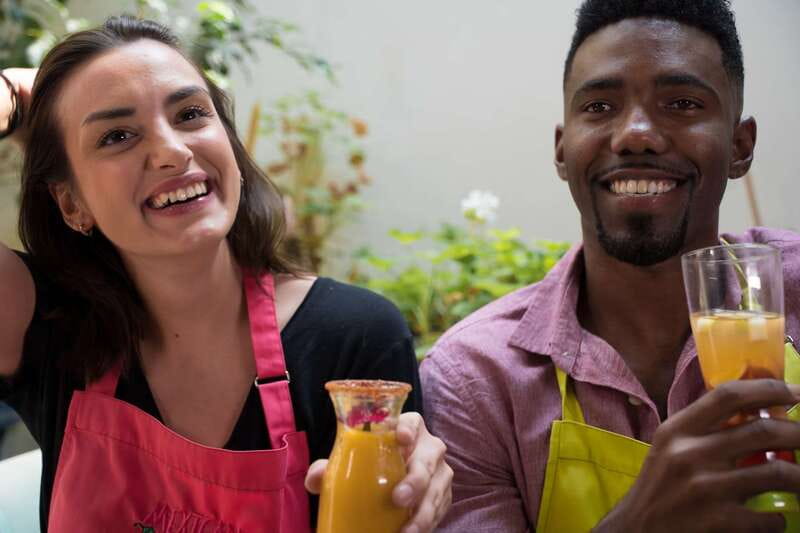
Three hours, real Mexico on your plate. In a small group, you shop the market and cook a hands-on meal in a cozy kitchen with experienced chefs.
I love how much you get pulled into the process, not just watched from the side. I also like the emphasis on fresh ingredients and learning what to look for before you start cooking.
One possible drawback is that this is active cooking time, so if you want a mostly sit-and-snack experience, you may find it more work than you expected.
In This Review
- Key highlights worth your attention
- Market-first cooking: learning what good Mexican food starts with
- Finding the white door: logistics in Mexico City that actually matter
- The kitchen vibe: cozy, home-style, and designed for participation
- What you will cook: tortillas, moles, tamales, and the dishes that show up on the menu
- Tortillas: why making them matters
- Example dishes you might make
- How the class runs: turn-taking, chef feedback, and a 3-hour timeline that feels fair
- Typical flow you can expect
- Eating your work: the payoff is not optional
- Price and value: is $121 fair for Mexico City?
- Who should book this class, and who should skip it
- Tips so your 3 hours go smoothly
- Should you book this Mexico City Mexican cooking class?
- FAQ
- How long is the Mexican cooking class?
- How big is the group?
- Where do we meet?
- What is included in the experience?
- What languages are the instructors?
- Can I cancel or pay later?
Key highlights worth your attention
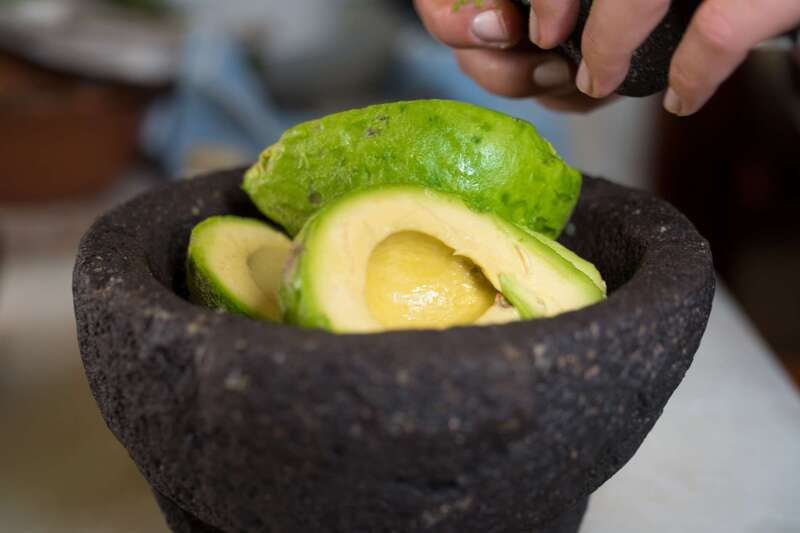
- Market shopping for real ingredients before you cook, so the meal is built on smarter choices
- Small group coaching with limited participants so you actually get feedback as you work
- Homemade tortillas and hands-on technique, including lessons that make a difference at home
- A full three-course meal you eat, so the class ends with payoff, not just recipes
- Cozy home-kitchen vibe that feels friendly and personal
Market-first cooking: learning what good Mexican food starts with
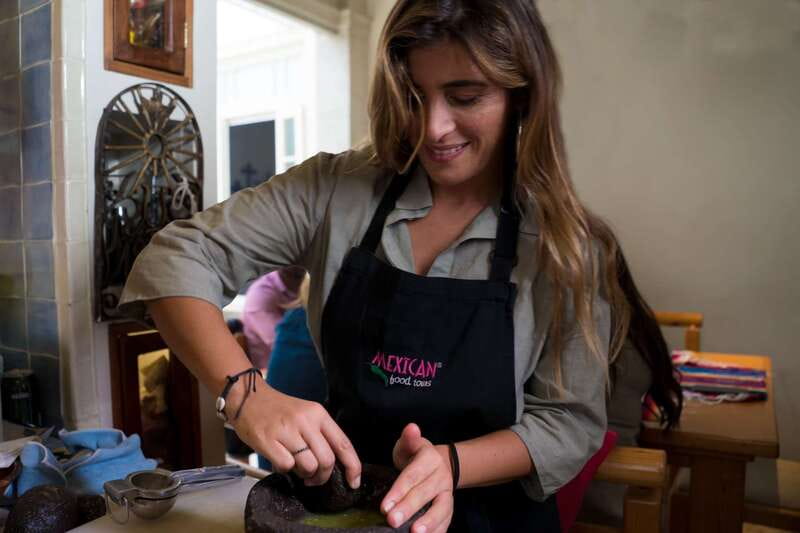
This class takes the smart route. You start by going to a Mexican market to pick ingredients together, then you cook right away. That matters because Mexican cooking is not just about a list of dishes. It is about choosing the right produce, spices, and proteins, then treating each ingredient with respect.
In practice, you will get guidance on what to buy and why. Multiple instructors, including chefs like José and Ileana, are praised for walking you through ingredient selection and making sure everyone participates. You are not just stocking a cart, you are learning the shopping instincts that later turn into better meals at home.
If you have ever wondered why Mexican food tastes so good, here is one answer the class gives you: balance. The flavor comes from layering, and it starts with ingredients that actually taste like themselves. You also learn that “authentic” often means “fresh and prepared with intention,” not fancy gear.
Still deciding? These kitchen sessions in Mexico City are reviewed too
- Mexican Cooking Class with Food Market Visit in Mexico City
★ 5.0 · 506 reviews - Essence of Mexico: Authentic Mexican Cooking Class & Market Tour
★ 5.0 · 289 reviews - Mexican Cooking Class & Cocktails in Mexico City
★ 5.0 · 134 reviews - Private Mexican Cooking Class with Gastronomic Historian, Lucia
★ 5.0 · 110 reviews - Mexico City: Mexican Cooking Class
★ 4.8 · 85 reviews
Finding the white door: logistics in Mexico City that actually matter
The meeting point is Calle Bucareli 165, Colonia Juárez, and you should look for a white door. Plan to arrive 10 to 15 minutes early so you can settle in and start on time.
Wear comfortable shoes and clothing you can move in. The kitchen work is real, not a staged demonstration. Most people end up standing, chopping, tasting, and moving between stations, so shoes are not a small detail.
Language support is Spanish and English, which makes the class easier to follow if you are comfortable with English but want some Mexico City atmosphere without the stress. The chefs also tend to guide step-by-step, and people repeatedly mention how the instruction includes hands-on participation, not just explanation.
One practical note: no pets are allowed. If you are traveling with an animal, plan a separate arrangement.
The kitchen vibe: cozy, home-style, and designed for participation
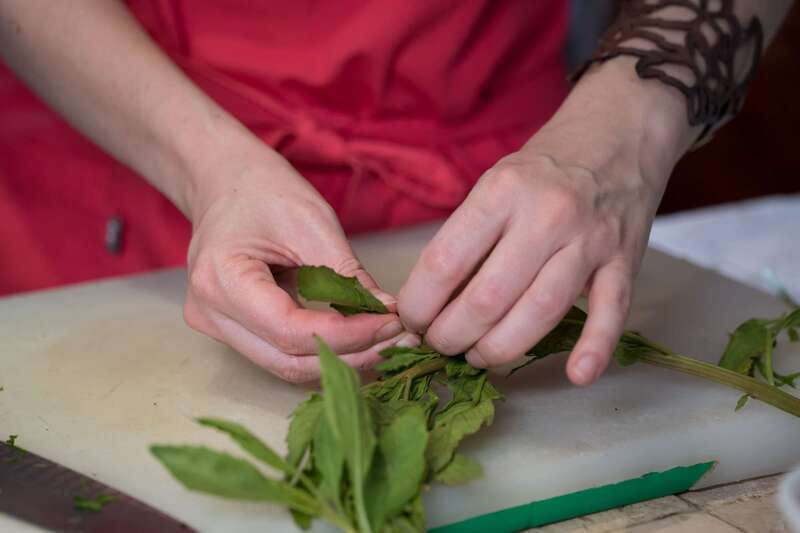
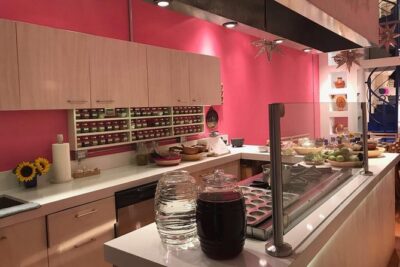
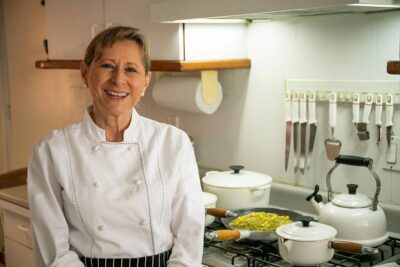
You cook in a place that feels like home, not a big studio. In many cases it is in a residential-style setting with a proper kitchen setup, and people comment on the cozy atmosphere and the beautiful space.
That home-kitchen feel changes how you learn. You are not constantly fighting for a spot at a workstation. You also get used to the rhythm of Mexican cooking, where the kitchen is a shared workspace and everyone contributes.
That said, balance matters. One person noted that the residential kitchen they used did not seem clean enough, with grease on items and counters and trash bins already full. Most experiences sound smooth and welcoming, but cleanliness is one thing you should be alert to. If you arrive and something looks off, speak up politely right away so it can be handled.
What you will cook: tortillas, moles, tamales, and the dishes that show up on the menu
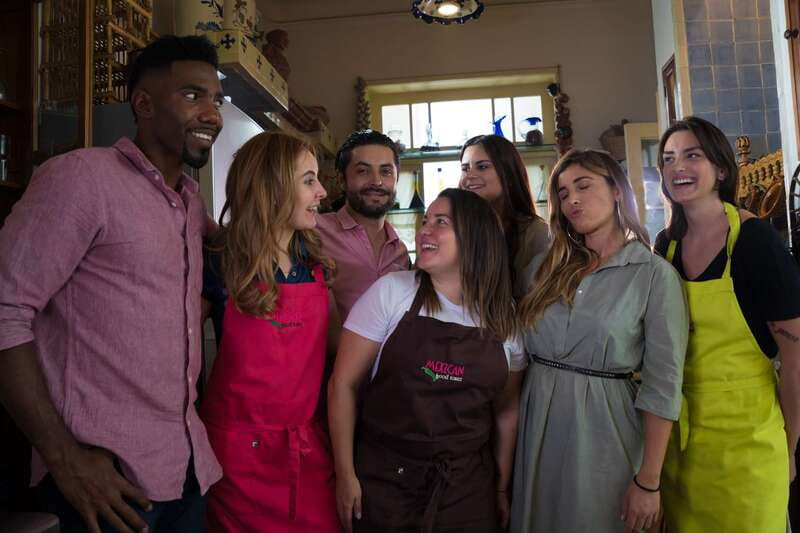
The overall theme is Mexican classics and techniques. The class explicitly connects Mexican gastronomy to examples like moles and tamales, and in real menu options people mention things like tortillas, enchiladas, soup, and tacos.
Tortillas: why making them matters
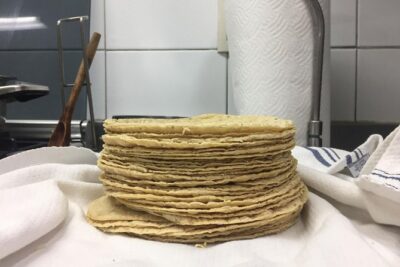
Tortillas are the star lesson in many ways. One chef is praised for teaching tortilla-making even though store tortillas are cheap and easy to buy. The point they made, and that you will feel once you taste fresh tortillas, is that homemade tortillas change the whole eating experience. Flavor improves, texture improves, and you start understanding the ingredient choices better than before.
You may learn to work with corn in ways that are clearly not the typical packet approach. Some meals reported include maíz azul (blue corn), which is a fun detail if your menu includes it. Even if you do not get that specific version, the tortilla technique is a strong “keep this skill forever” takeaway.
More city circuits across Mexico City, same treatment
- Mexico City: Teotihuacan, Tlatelolco & Guadalupe Shrine Tour★ 4.6 · 3,773 reviews
- Teotihuacan Hot Air Balloon Flight from Mexico City / Volare★ 5.0 · 3,262 reviews
- Teotihuacan Private Tour from Mexico City★ 5.0 · 1,890 reviews
- Historic Center Food Tour in Mexico City★ 5.0 · 1,263 reviews
- The best tour to Teotihuacán from Mexico City★ 5.0 · 1,236 reviews
- From Mexico City: Puebla, Cholula and Tonantzintla Day Trip★ 4.3 · 1,191 reviews
- Mexico City: Hop-on Hop-off Bus Tour★ 4.0 · 1,043 reviews
Example dishes you might make
Menus vary, but people describe classes that include:
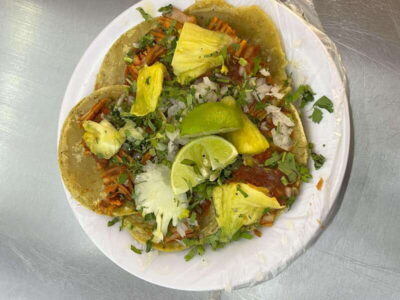
- Cactus tacos
- Chicken enchiladas cremas
- Veggie soup
- A three-course meal assembled from what you bought at the market
Think of the menu as a sampler of techniques. You are learning how flavors are built, not just how to follow one recipe once.
Also, one detail that shows up often: everyone takes turns. That is important for beginners. When you only watch, you forget. When you do the stirring, pressing, folding, or topping, muscle memory forms quickly.
How the class runs: turn-taking, chef feedback, and a 3-hour timeline that feels fair
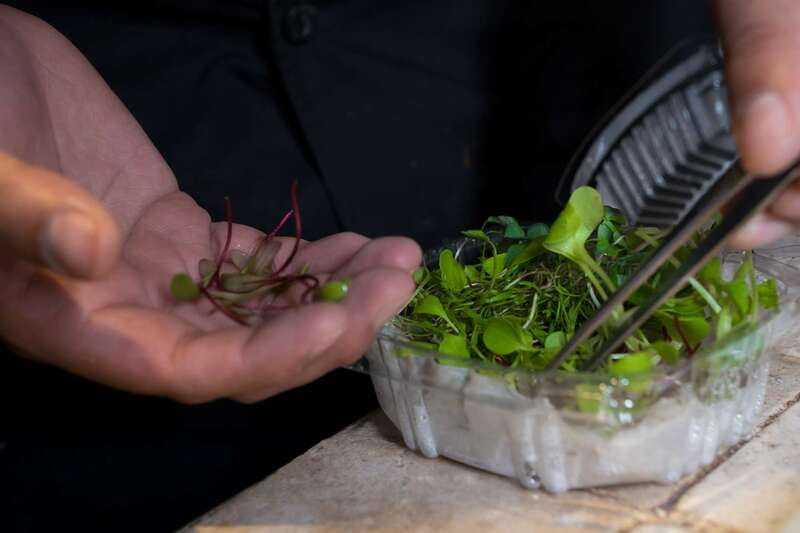
The class is 3 hours, with starting times depending on availability. That time is long enough to do real cooking steps, but short enough to keep energy high. It is paced so you can participate without spending the whole day in the kitchen.
A key quality repeated across experiences is small-group attention. The group size is limited to 6 participants, and people specifically mention that the chef managed to involve everyone. That means the instructor can correct technique, explain what is happening in the pan, and help you fix issues before they ruin a dish.
Chefs mentioned in experiences include José, Héctor, Eduardo, Ile, Eren, and Ileana. If you are wondering what kind of teaching style you are likely to get, the pattern is consistent: step-by-step guidance, practical corrections, and a friendly vibe that makes it easier to ask questions.
Typical flow you can expect
While exact dishes depend on the menu, the structure tends to look like this:
- Meet at Calle Bucareli 165, then head to the market to choose ingredients.
- Return to the kitchen and start prep, with assigned tasks so you participate.
- Cook together through a three-course meal.
- Eat what you made as a group.
This flow is what makes the class more valuable than a standard cooking demo. The market part tells you what ingredients matter. The cooking part teaches technique. The shared meal locks it all in.
Eating your work: the payoff is not optional
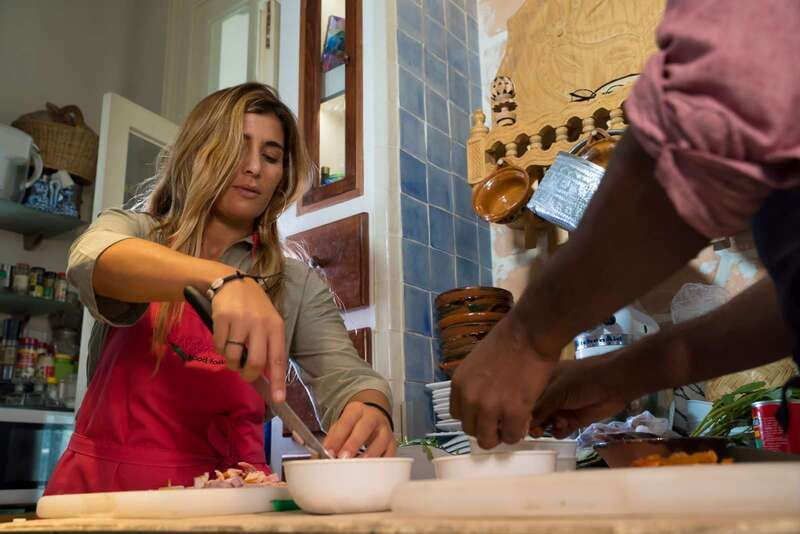
After you cook, you eat everything you made. That turns the class into a full experience, not just instruction time. People highlight that the meal is fresh and delicious, and that it feels special because you made it from scratch.
Sharing the meal also gives you an easy way to learn. You watch how others serve, taste, and talk about what they think works. Even if you are a beginner, you quickly pick up cues like how to adjust seasoning, when a sauce thickens, and what a good tortilla feels like.
One nice thing about this setup is that even if you do not consider yourself a strong cook, you still leave with confidence. The process is broken down, and you can focus on doing the step in front of you. People even describe doing this solo and feeling well supported, with an especially personal experience when the class size is smaller.
Price and value: is $121 fair for Mexico City?
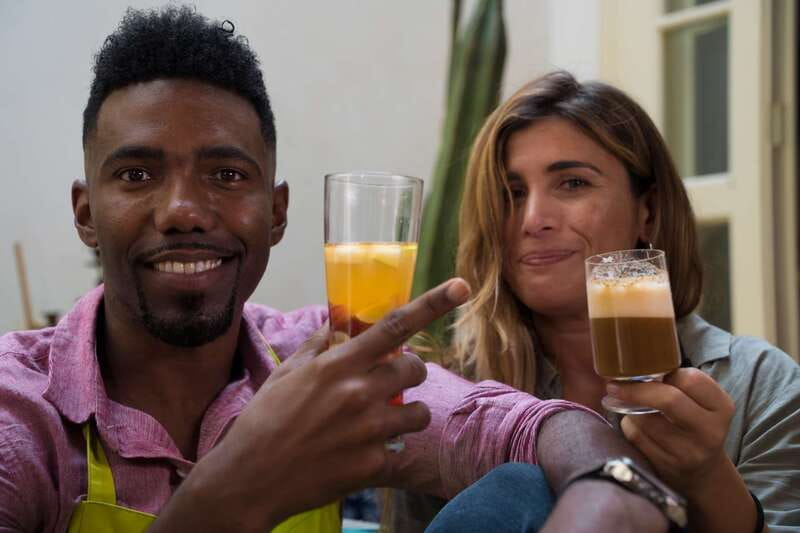
At $121 per person, this class is not a budget impulse buy, but it does line up with what you get: market shopping, ingredients, cooking materials, and recipes, plus hands-on chef time for a small group.
Here is how I think about value for this type of experience:
- You pay for chef instruction, not just food. The instruction is what you carry home.
- You pay for ingredients and materials because you do not have to source anything yourself.
- You pay for the market experience, which sets up your understanding of what quality tastes like.
If you come to Mexico City mostly to see sights, this is a different kind of return on investment. But if food is your travel language, this class can be a highlight. People repeatedly describe it as worth every penny because you do not leave hungry, and you leave with usable skills.
Who should book this class, and who should skip it
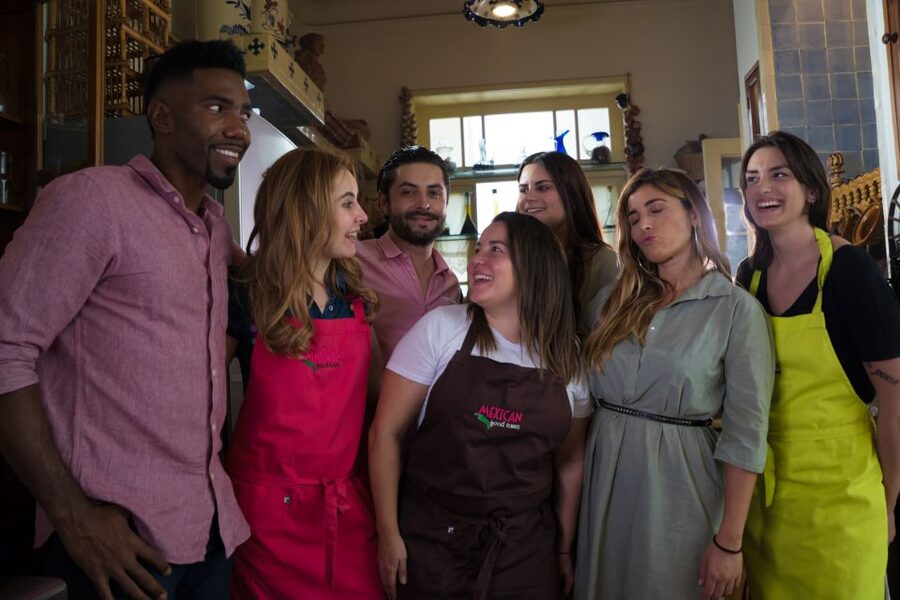
This class is best for you if:
- You want hands-on learning and chef feedback.
- You like Mexican food and want to understand why it tastes right.
- You enjoy markets and want to buy ingredients like a local, not just snack while sightseeing.
- You want a small-group experience where you actually work together.
It might not be the best fit if:
- You want a slow, sightseeing-heavy day and would rather watch than cook.
- You hate kitchens or standing for stretches of time.
- You need a very hands-off experience, since the class includes real prep and cooking tasks.
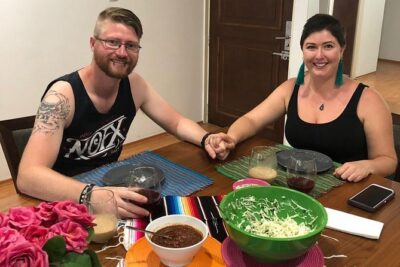
It is also a solid date or partner activity. People mention teamwork and that it feels like a fun, different way to spend time in Mexico City.
Tips so your 3 hours go smoothly
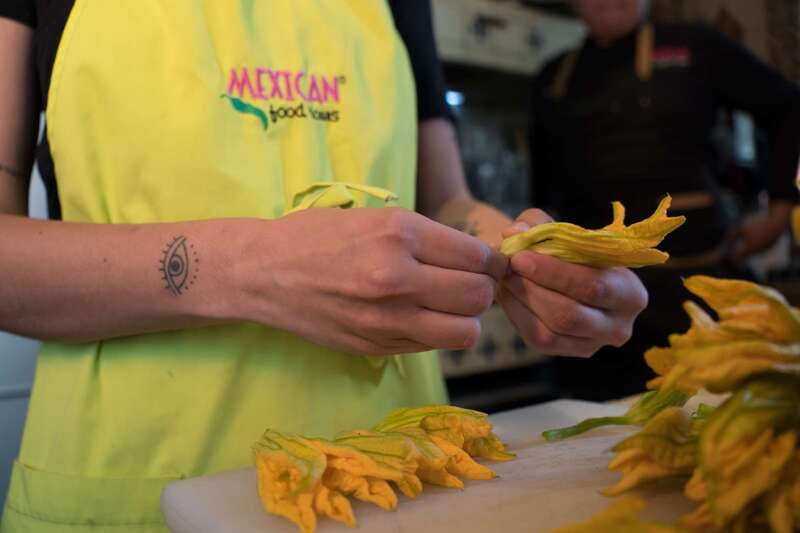
A few practical moves help you get more out of every minute.
First, come with comfortable shoes and expect to stand. Second, arrive 10 to 15 minutes early so you can start the market and kitchen flow without rushing. Third, be ready to taste. Mexican cooking is a tasting process as much as it is a recipe process.
If you are a novice cook, focus on technique. Learn what the chef is correcting, even if the exact dish feels new. If you are an experienced cook, this still helps because market shopping and tortilla technique are where you can improve fast.
Finally, take the recipe packet seriously when you get home. The recipes are included, so treat them like your starting point, then use the lessons from ingredient choice to adjust based on what you can actually find.
Should you book this Mexico City Mexican cooking class?
If you want a memorable food-focused day, I think this is a very strong bet. The biggest strengths are the market-to-kitchen flow, the small-group setup with real involvement, and the fact that you cook, then eat what you made.
Book it if you value hands-on skill and you want more than just a meal. Consider your comfort level with active cooking if you are hoping for a mostly passive experience. And if cleanliness is a deal-breaker for you, keep an eye on the kitchen environment when you arrive, and say something early if something seems off.
FAQ
How long is the Mexican cooking class?
The class lasts 3 hours.
How big is the group?
It is a small group, limited to 6 participants.
Where do we meet?
Meet at Calle Bucareli 165, Colonia Juárez, Mexico City. Look for a white door.
What is included in the experience?
The experience includes ingredients, cooking material, and recipes.
What languages are the instructors?
Instructors provide teaching in Spanish and English.
Can I cancel or pay later?
There is free cancellation up to 24 hours in advance for a full refund, and you can reserve now and pay later.
More hands-on classes from our Mexico City notebook
More city circuits that made the Mexico City cut


Other kitchen sessions we have been through in Mexico City
Not quite it? More Mexico City tours from our review pile

Cooking Classes in Mexican Kitchens in one list.
 ★ 5.0Cabo San Lucas Mexican Cooking Class Experience and Local MarketsFrom $144915 reviews
 ★ 5.0Puerto Vallarta Cooking Class Experience with Market TourFrom $144698 reviews
 ★ 5.0Mexican Cooking from Scratch in a Local Home in TulumFrom $101585 reviews
 ★ 5.0Authentic Mexican Legacy Cooking Class in Cabo San Lucas530 reviews
 ★ 5.0Mexican Cooking Class with Food Market Visit in Mexico CityFrom $124506 reviews
 ★ 5.0Authentic Mayan Cooking Class in CozumelFrom $60344 reviews
 ★ 4.5Flavors of Oaxaca: Cooking Class with No Set Menu and Local Market TourFrom $75333 reviews
 ★ 5.0Playa del Carmen Mexican Cooking ClassFrom $113306 reviews