
Reviewed · CHAPULTEPEC & THE ANTHROPOLOGY MUSEUM
Mexico City: Anthropology Museum Guided Visit
National Museum of Anthropology can feel like chaos without help. This 2.5-hour guided visit turns it into a clean timeline, and I especially love how the tour brings big themes down to bite-size objects like spear points. The main drawback is simple, the tour price can feel high if you only want to walk and read at your own pace.
If you can, aim for a guide who knows how to pick the right stops and keep momentum, like the groups led by Leonardo or Giovanna, who consistently got praised for clear explanations and energy. You’ll also get free time after the guided portion, so you can linger on your personal favorites instead of trying to choose while you are lost in a huge museum.
In This Review
- Key Things That Make This Tour Worth It
- First Stop: The Flagpole and a Museum That Gets 2 Million Visits
- How the Guided Route Makes the Museum Feel Logical
- Archaeology in Your Hands: Excavated Objects Across Mexico
- The Small Objects Rooms, Where Spear Points and Clay Pieces Steal the Show
- Big Name Exhibit Moment: The Stone of the Sun
- Labels Are Partly in Spanish, So Your Guide Becomes the Translator
- Originals vs Replicas: A Detail That Changes How You Read the Room
- After the Tour: Free Time for Your Personal Favorites
- Timing: What 2.5 Hours Really Feels Like
- Price and Value: When It Makes Sense to Pay for the Guide
- Who Should Book This Museum Visit (and Who Might Not Need It)
- Should You Book It?
- FAQ
- How long is the guided visit at the National Museum of Anthropology?
- Where do I meet the guide?
- What time does the tour start?
- What is included in the price?
- Is food and drink included?
- What languages are available for the live tour guide?
- Does the tour let me skip the ticket line?
- Is private group available?
- Can I take this tour if I am traveling with family?
- What is the cancellation policy?
Key Things That Make This Tour Worth It
- A smart highlight route through a museum so large you can burn a whole day.
- Small-object rooms matter, including early hunting tools like spear points and simple clay items.
- Context for Mesoamerican cultures such as Mayan, Aztec, and Zapotec, not just names on walls.
- Guides help you spot originals vs replicas, which makes the experience easier to understand.
- Short guided time plus free exploration, so you do not leave with only a blur of rooms.
First Stop: The Flagpole and a Museum That Gets 2 Million Visits
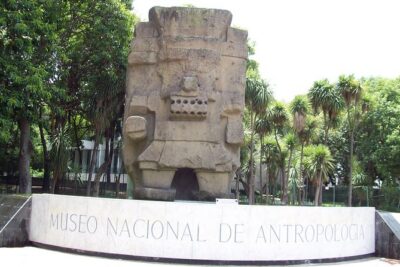
You meet your guide at 8:50 am at the flagpole next to the main entrance of the Anthropology Museum. That early start matters because the National Museum of Anthropology is famous for a reason, it attracts around 2 million visitors per year, which means it can be busy right when you walk in.
Once you are inside, the guide essentially gives you a plan. You are not trying to find your way through dozens of galleries on your own, and you are not relying on Spanish-only labels to do all the work.
Other Chapultepec museum visits in Mexico City that earned a write-up
- Anthropology Museum Guided Tour
★ 4.5 · 1,035 reviews - Mexico City: Anthropology Museum Guided Visit
★ 4.4 · 708 reviews - Mexico City: Chapultepec Castle and Anthropology Museum Tour
★ 4.5 · 637 reviews - Mexico City: Anthropology Museum Skip-the-Line Ticket
★ 4.4 · 502 reviews - Anthropology Museum Private Experience Walking Tour
★ 5.0 · 355 reviews
How the Guided Route Makes the Museum Feel Logical
The guided portion is designed to cover the museum’s big ideas fast. You will learn how people lived across earlier epochs in what is now modern Mexico, with examples pulled from excavated objects found across broad regions.
This is where the tour earns its keep. Without a guide, you might drift from room to room and miss the connections, like how different cultures used objects in everyday life and in ritual. With a guide, those objects become evidence in a story you can actually follow.
And yes, the museum is huge, so pace is part of the value. Many guides are praised for keeping groups moving at a reasonable speed, while still explaining why each item matters.
Archaeology in Your Hands: Excavated Objects Across Mexico
One of the tour’s most satisfying moments is when you shift from viewing displays to understanding them as archaeological proof. The guide points out objects excavated from archaeological sites across Mexico, so you can see how far-reaching the collections are.
You will not just get a list of cultures. You get a sense of how historians have been challenged to rethink development across Mesoamerica, including the Mayan, Aztec, and Zapotec worlds. That framing helps you stop thinking of these cultures as separate isolated boxes.
Instead, you start to see overlapping themes: technology, belief, daily routines, and what different societies chose to keep, display, or bury.
The Small Objects Rooms, Where Spear Points and Clay Pieces Steal the Show
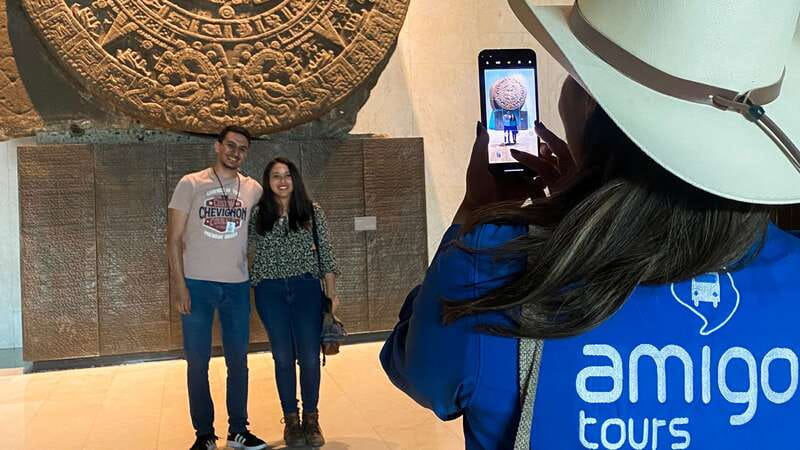
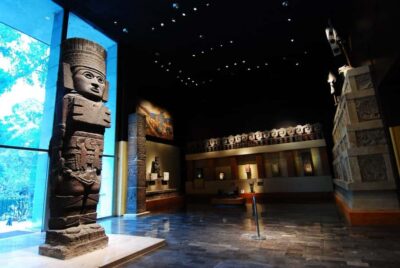
This tour really earns attention in the rooms that focus on smaller items. You might expect big statues and massive monuments, but you get pulled toward details that feel intensely human.
A highlight is seeing early hunting tools like spear points, used by early hunters more than 10,000 years ago. It is a simple object, but the guide helps you connect it to real work on the continent, not just a picture in a textbook.
You also see simple clay pieces used in daily life, plus symbolic clay articles linked to religious ceremonies. That mix is powerful because it shows the same material could serve practical needs and spiritual meaning.
In fact, this is one of the best reasons to book a guide even if you enjoy museums. The guide does not just tell you what the object is, they help you notice the differences in use and symbolism.
Big Name Exhibit Moment: The Stone of the Sun
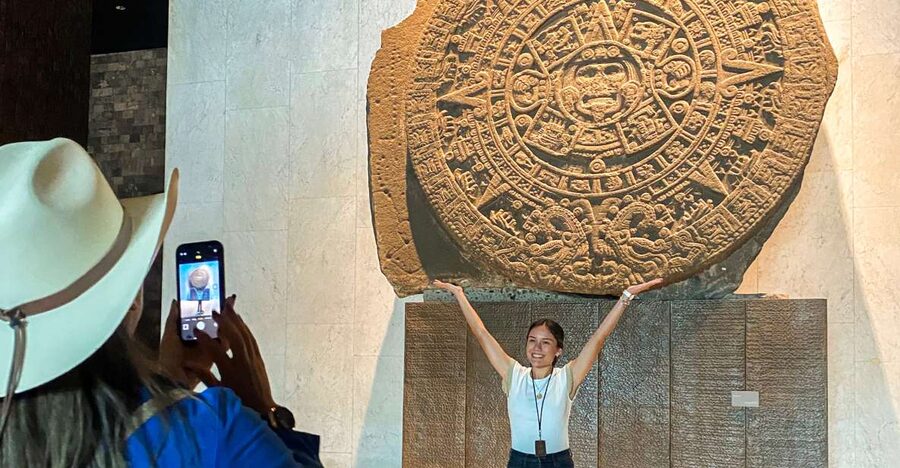
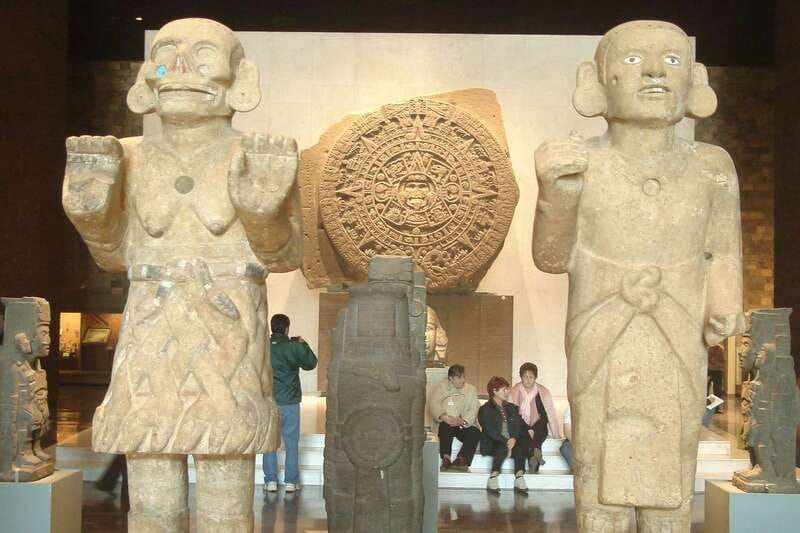
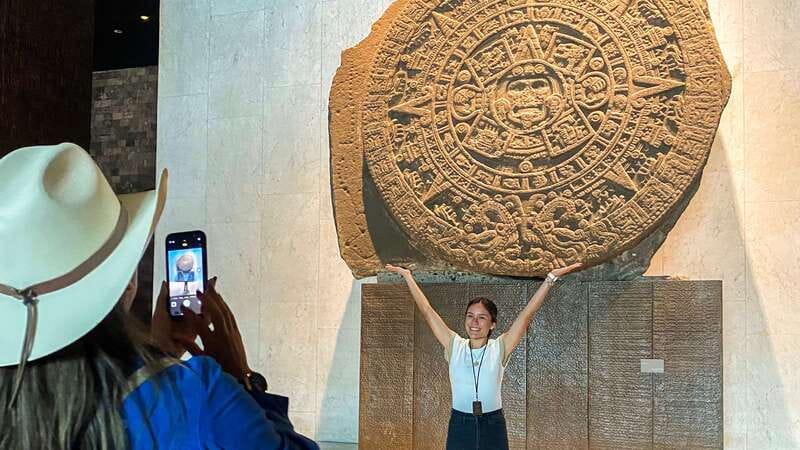
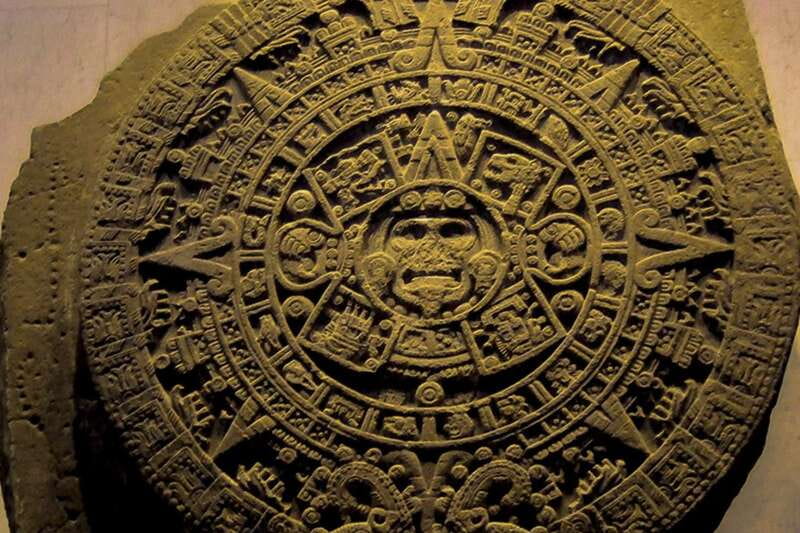
No one visits the National Museum of Anthropology without hearing about the Stone of the Sun, often called the Aztec calendar stone. During the tour, the guide brings it into the bigger story, explaining its meaning and why it is important to Mexico.
What I like about having this moment guided is that it prevents the usual problem. Without context, the piece can feel impressive but disconnected from the rest of the galleries. With context, it becomes part of a broader picture of how later Mesoamerican societies understood time, ritual, and identity.
Also, this museum can overwhelm you with choices. A guided highlight route makes sure you see the headliners and understand why they are headliners.
More city circuits across Mexico City, same treatment
- Mexico City: Teotihuacan, Tlatelolco & Guadalupe Shrine Tour★ 4.6 · 3,773 reviews
- Teotihuacan Hot Air Balloon Flight from Mexico City / Volare★ 5.0 · 3,262 reviews
- Teotihuacan Private Tour from Mexico City★ 5.0 · 1,890 reviews
- Historic Center Food Tour in Mexico City★ 5.0 · 1,263 reviews
- The best tour to Teotihuacán from Mexico City★ 5.0 · 1,236 reviews
- From Mexico City: Puebla, Cholula and Tonantzintla Day Trip★ 4.3 · 1,191 reviews
- Mexico City: Hop-on Hop-off Bus Tour★ 4.0 · 1,043 reviews
Labels Are Partly in Spanish, So Your Guide Becomes the Translator
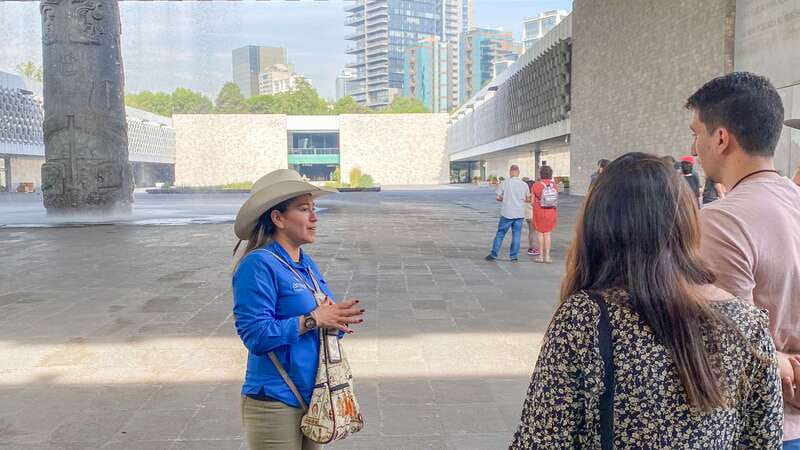
Even if you studied Spanish, you will feel the speed difference in a museum this size. Many exhibit descriptions are in Spanish, and the tour is offered with live guidance in both English and Spanish.
That matters because you want to know what you are looking at, not just where it is located. Reviews frequently praise guides for clear English explanations, which helps English speakers get more out of the objects and the stories behind them.
If you speak Spanish well, you still might like the guide for pacing and selection. The museum is not an easy self-tour if your time is limited.
Originals vs Replicas: A Detail That Changes How You Read the Room
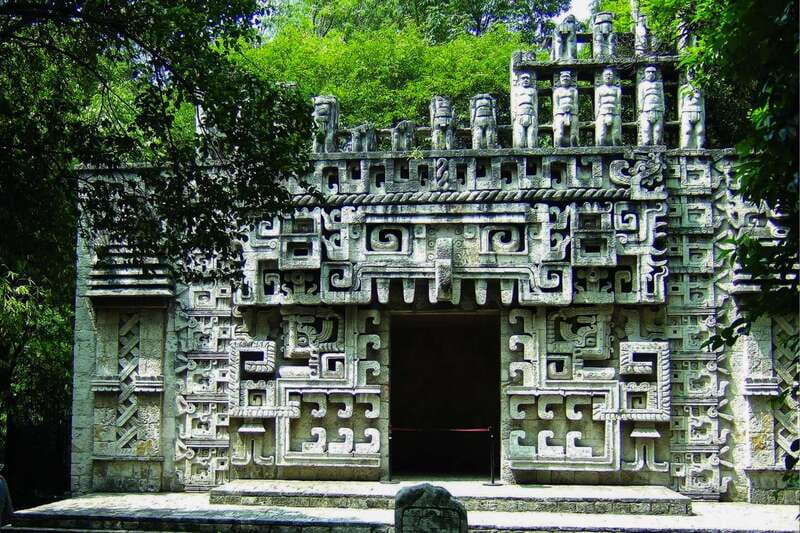
One practical advantage is that guides often point out whether you are seeing an original or a replica. That makes a difference in how you interpret the objects.
If you are the type who cares about authenticity, this helps you avoid guessing. If you are more casual, it still helps because it anchors your understanding of what the museum wants you to learn from each display.
Either way, the tour makes the museum feel more trustworthy and less like a random assortment of objects.
After the Tour: Free Time for Your Personal Favorites
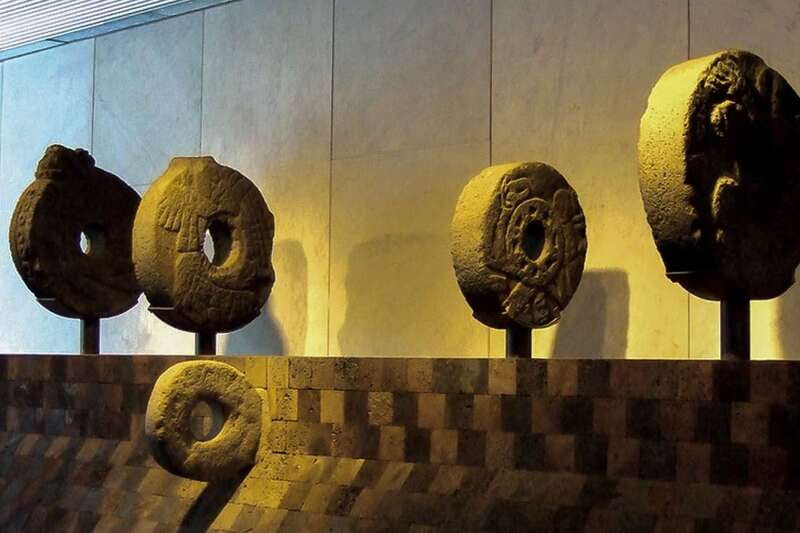
Once the guided portion ends, you get time to explore on your own inside the museum. This is a smart design choice. You get a strong start with the key areas, then you can slow down for the objects that grabbed you during the explanation.
My advice is to use this free time with a simple goal: go back to 1 or 2 rooms you cared about most. That could be the small-object galleries, the major centerpiece exhibits, or any section that matched what you learned about Mesoamerican life.
This is also where you can take photos, rest your feet, and read labels without feeling guilty that you are behind schedule.
Timing: What 2.5 Hours Really Feels Like
The tour is listed at 2.5 hours, and that is a reasonable amount of time for a highlight circuit in a museum this big. Still, real life can stretch it, especially if you ask questions or if your guide is generous with details.
If you have another plan right after, keep a little buffer. One common pattern people reported is that the tour can run longer than expected, mainly because the explanations are good and hard to stop.
Also plan for breaks. Food and drinks are not included, and at some point you will likely want water. If you bring a bottle, you will thank yourself.
Price and Value: When It Makes Sense to Pay for the Guide
At $67 per person, this guided visit is not the cheapest way into the museum. But you are paying for selection, interpretation, and time compression.
If you do the museum alone, you might spend your limited time wandering, stopping at objects without understanding what ties them together. That is especially true because so much is labeled in Spanish and the museum is enormous.
Where the price debate can come from is that the museum admission itself is relatively low compared to the add-on fee for guided interpretation. So, my take is this: the tour is worth it when you want structure and a clear story in a short window.
If you have 2 days in Mexico City and speak Spanish confidently, you could get value by going without a guide and taking a slower approach. But if your schedule is tight, the guide saves you from second-guessing and makes your time more satisfying.
Who Should Book This Museum Visit (and Who Might Not Need It)
This tour is a great fit if:
- You want a quick, guided overview of pre-Columbian Mexico.
- You feel intimidated by a huge museum and prefer a planned route.
- You want help understanding what small objects can tell you about daily life and ritual.
- You want a museum visit that sets you up well for other nearby history stops in Mexico City.
It might be less ideal if:
- You plan to spend hours reading every label and already prefer self-guided learning.
- You are traveling with limited walking tolerance, since you are still moving through multiple galleries in a short window.
If you are curious about archaeology and want the museum to feel connected instead of random, this is the right entry point.
Should You Book It?
I think you should book this guided visit if your goal is to get meaningful context fast. The tour’s biggest strength is how it links daily life objects and small archaeological finds into a clear Mesoamerican story, plus the guide helps you make sense of the museum’s scale.
If the price makes you pause, use this simple test. Are you going to spend your time wrestling with Spanish labels and trying to choose what matters? If yes, the guide is the smarter use of your hours. If you will happily spend time alone with Spanish labels and you have extra days, you might skip the guide.
If you do book, look out for guides who have strong rapport, like Leonardo or Giovanna, and plan to ask questions. That is when the museum stops being a collection and starts being a conversation with the past.
FAQ
How long is the guided visit at the National Museum of Anthropology?
The tour duration is 2.5 hours.
Where do I meet the guide?
Meet at the flagpole next to the main entrance of the Anthropology Museum.
What time does the tour start?
The meeting time is 8:50 am.
What is included in the price?
The price includes a live guide and entrance to the National Museum of Anthropology.
Is food and drink included?
No, food and drinks are not included.
What languages are available for the live tour guide?
The tour is offered in Spanish and English.
Does the tour let me skip the ticket line?
Yes, it includes skipping the ticket line.
Is private group available?
Yes, private group options are available.
Can I take this tour if I am traveling with family?
A family tour tailor-made for your needs is available if that option is selected.
What is the cancellation policy?
Free cancellation is available up to 24 hours in advance for a full refund.
The rest of our guide-led bookings in Mexico City
More city circuits that made the Mexico City cut



Chapultepec museum visits still worth a look around Mexico City
Not quite it? More Mexico City tours from our review pile





Chapultepec & the Anthropology Museum in one list.
 ★ 4.5Chapultepec Castle & Anthropology Museum TourFrom $791,348 reviews
 ★ 4.5Anthropology Museum Guided TourFrom $391,035 reviews
 ★ 4.5Mexico City: Chapultepec Castle and Anthropology Museum TourFrom $47637 reviews
 ★ 4.4Mexico City: Anthropology Museum Skip-the-Line TicketFrom $15502 reviews
 ★ 5.0Anthropology Museum Private Experience Walking TourFrom $78355 reviews
 ★ 5.05 Hour Tour through Chapultepec, Anthropology Museum and CastleFrom $61239 reviews
 ★ 5.0PRIVATE Tour in Chapultepec Castle and Museum of AnthropologyFrom $113144 reviews
 ★ 5.0PRIVATE Tour Chapultepec CastleFrom $66130 reviews
Where else it sits