
Reviewed · COOKING CLASSES IN MEXICAN KITCHENS
Traditional Mexican Cooking Class
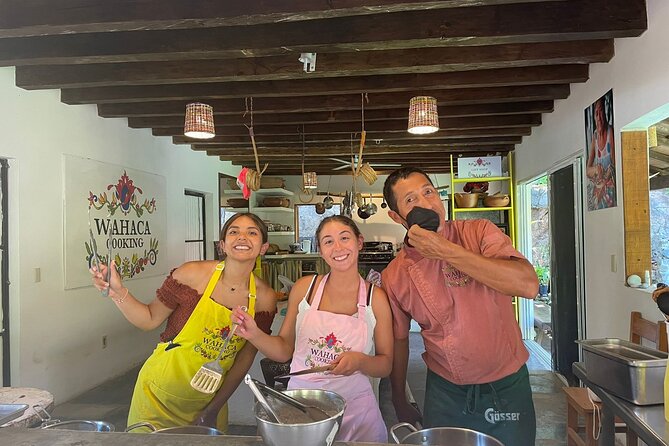
Cooking in rural Oaxaca style in Huatulco. This 3-hour class at Wahaca Cooking pairs hands-on prep (chopping, mixing, shaping) with local stories about why the food looks and tastes the way it does. You also get a scenic start at Playa La Bocana, then you sit down together to eat what you made.
What I like most is the step-by-step teaching, especially around corn tortillas and sopes. I also like the way Alfredo and his team turn ingredients into a mini lesson, from plants and produce to fish and the history behind dishes like empanadas filled with huitlacoche and squash a la mexicana. One possible drawback: the day starts at 9:30am, and with pickup from hotels, you will likely be up and rolling earlier than a typical vacation morning.
The experience runs in English, and you get recipes emailed after the class. With a small group capped at 12, it stays friendly and practical, not crowded or rushed.
In This Review
- Key things that make this class worth your time
- Playa La Bocana to Wahaca Cooking: your morning flow
- The kitchen setup at Wahaca Cooking, and why the setting helps
- How hibiscus water, chopping, and mixing turn into real skills
- Tortillas and sopes: the core lesson you can take home
- The menu you’ll make: empanadas, salsas, and Oaxaca-style flavors
- Why the history and rural traditions matter, not just the recipe
- Eating what you made: sitting together with margaritas
- Practical stuff that affects your day (timing, comfort, group size)
- Where this class fits in your Huatulco itinerary
- Should you book this cooking class in Huatulco?
Key things that make this class worth your time
- Small group size (up to 12) means you actually get hands-on time.
- Pick-up from Huatulco hotels saves you the hassle of figuring out transport.
- Market-style ingredient learning helps the meal make sense, not just taste good.
- Tortillas and sopes are the focus so you learn skills you can repeat at home.
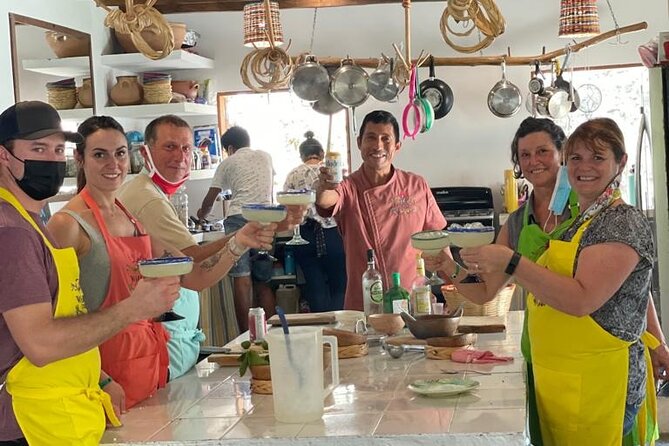
- Fresh drinks during the class include hibiscus water, and margaritas made from scratch.
- Recipes sent by email helps you cook again later without guessing.
Playa La Bocana to Wahaca Cooking: your morning flow
The experience starts at 9:30am, with pickup from hotels across the Huatulco area. That matters because it removes the main stress of a cooking class: getting to a local kitchen on time without riding around with your phone, maps, and a growing hunger.
First stop is Playa La Bocana. You are not just driving past the coast, you’re starting your morning with a real sense of place in Huatulco before you move into the kitchen. Even if you are not a beach person, that first change of scenery helps you relax into the day.
Once you arrive at Wahaca Cooking, the pace shifts from travel mode to food mode. You’ll jump right into prep, which is great if you hate standing around waiting for the cooking to begin. You’ll also notice the setting is set up for comfort and group interaction, including an outdoor kitchen space that keeps things airy.
Still deciding? These kitchen sessions in Huatulco are reviewed too
- Street Food Cooking Class
★ 5.0 · 125 reviews - Traditional Mexican Cooking Class
★ 5.0 · 90 reviews
The kitchen setup at Wahaca Cooking, and why the setting helps
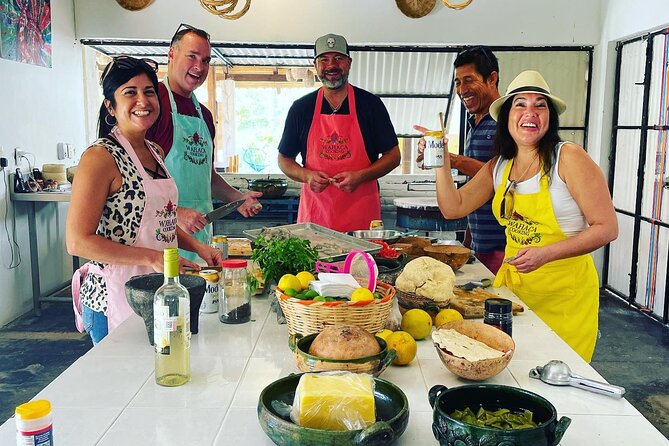
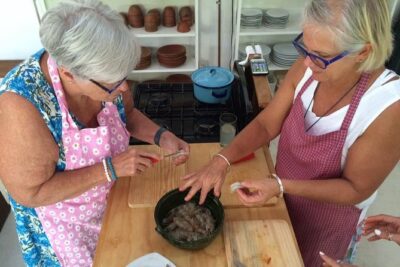
This class is built around an active kitchen, not a lecture hall. Alfredo’s setup gives you room to chop, mix, and form components, and it supports that very hands-on teaching style.
I appreciate how the teaching feels respectful and practical, not condescending. Alfredo and the team explain what you’re doing and why, including the ingredients and the traditions around them. That helps even if you’re not a confident cook, because you are not memorizing a script, you’re learning technique.
Because the group stays small, you can ask questions without raising your voice. In at least one recent session, Alfredo also adjusted things for a vegan diet, which suggests the team tries to meet real needs when possible. If you have dietary restrictions, it’s smart to mention them during booking so the kitchen can plan ahead.
How hibiscus water, chopping, and mixing turn into real skills
The class moves in a clear loop: you prepare, you learn as you work, then you taste and build. You’ll be involved in tasks like chopping, dicing, cubing, and mixing, with hibiscus water along the way. That drink is more than a nice touch. It also keeps the morning feeling light while your hands are busy.
One of the underrated parts of this kind of class is pacing. Here, you’re not dumped into the deep end with no guidance. You learn as you go, and the atmosphere stays upbeat, which makes it easier to stay focused when you’re doing things that might be new, like corn dough for empanadas.
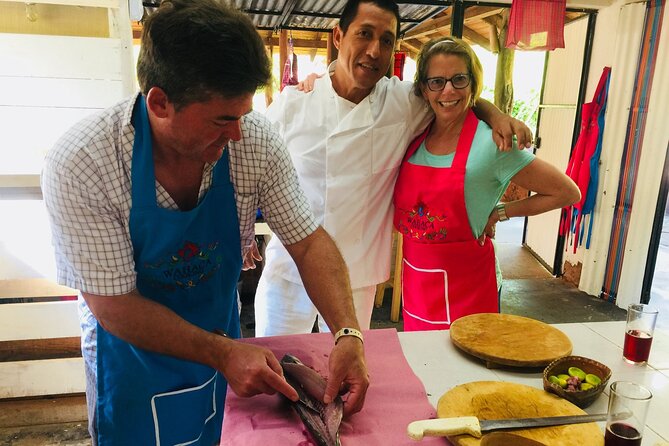
If you enjoy local produce, you’ll likely find the ingredient explanations very satisfying. Alfredo and the team talk about plants, fish, and produce and how they connect to regional food traditions. That kind of context makes the final meal taste better because you understand what you’re eating and what each ingredient is doing.
Tortillas and sopes: the core lesson you can take home
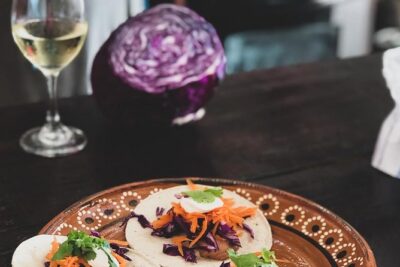
Tortilla-making is one of the biggest reasons to do this class. You’ll learn the process for corn tortillas, and you’ll also make sopes, including toppings like refried beans and queso fresco.
This is where your vacation turns into a useful skill. Corn tortillas are simple on paper, but they take practice. Working side-by-side with the instructor means you can correct small issues early, like consistency and handling, instead of learning by trial and error at home.
I also like that the class frames tortillas in terms of tradition. The learning isn’t just method, it’s why the technique matters in daily life in rural Mexico. That makes the end result more meaningful, especially if you’re the type of traveler who cares about how food culture survives and evolves.
Depending on the day, you might also see other classics showing up. One recent session included tamales, which is a great sign that the team knows a range of Oaxacan-style techniques and not just one repeat menu.
The menu you’ll make: empanadas, salsas, and Oaxaca-style flavors
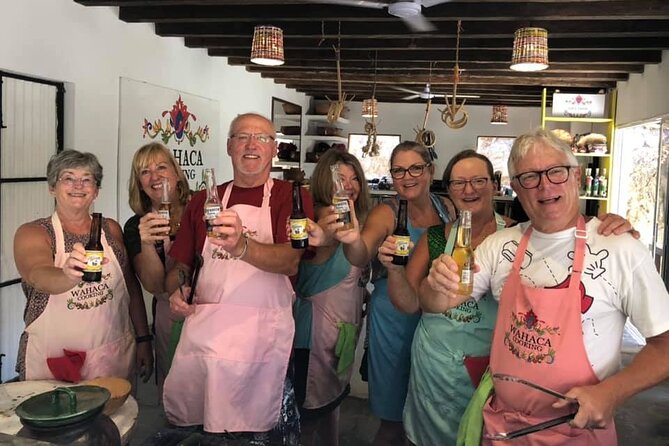
Your sample menu gives a strong sense of what you’ll produce, and it hits both comfort and curiosity.
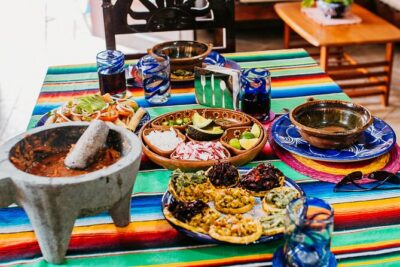
You start with empanadas. The plan includes corn dough empanadas stuffed with creamy huitlacoche and squash a la mexicana. If you’ve never tried huitlacoche before, this is a memorable way in. It’s a distinctive ingredient, and making it part of a recognizable format like empanadas helps you experience it without feeling overwhelmed.
Next come the salsas, with both roasted red salsa and tomatillo salsa verde. This pairing is great because it teaches contrast. Red salsa tends to bring deeper roasted flavors, while tomatillo verde brings bright acidity and a clean herbal note. You’ll get practice understanding how each salsa behaves with toppings and dough.
Then you move into tortillas and sopes. You’ll learn the tortilla-making process and assemble sopes with refried beans and queso fresco. This gives you a full arc from staple (corn) to assembled dish (sopes), so you leave with both technique and a clear finished result.
In a few sessions, the class also includes fruit-driven drinks, and the overall meal includes margaritas made from scratch. Those details matter because they turn the class into something you actually want to remember, not just a cooking checklist.
- Tour to Copalitilla Magical Waterfalls from Huatulco with admission included★ 5.0 · 359 reviews
- Full Day Tour of the Bays of Huatulco★ 4.5 · 217 reviews
- Kayak Huatulco Sunrise★ 5.0 · 166 reviews
- Ocean Eco Adventure with Marine Biologist Guides★ 5.0 · 149 reviews
- “Copalitilla” Waterfalls from Huatulco★ 5.0 · 124 reviews
- Huatulco Walking Food Tour★ 5.0 · 116 reviews
- Huatulco Bahías Tour★ 4.5 · 95 reviews
Why the history and rural traditions matter, not just the recipe
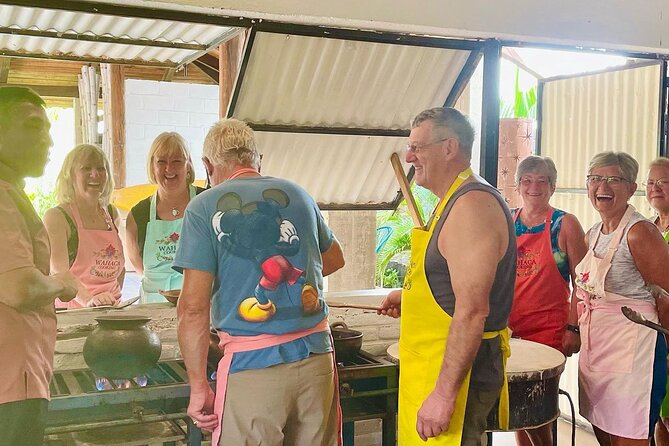
The cooking part is fun, but the class earns its value by explaining the food’s background. Alfredo shares stories about growing up in Huatulco and how traditions have changed. He also explains life in rural Mexico through the dishes you’re making.
That context is useful for travelers because it keeps you from treating Mexican food like a single flavor theme. Instead, you start to notice patterns: what ingredients are common, how techniques transfer between households and regions, and why certain dishes show up for celebrations or everyday meals.
I especially liked how the history connects back to what you’re doing at the cutting board. When you learn how tortillas are made, you start understanding them as craft, not just a side. When you learn salsas, you understand them as balancing tools, not bottled condiments.
Eating what you made: sitting together with margaritas
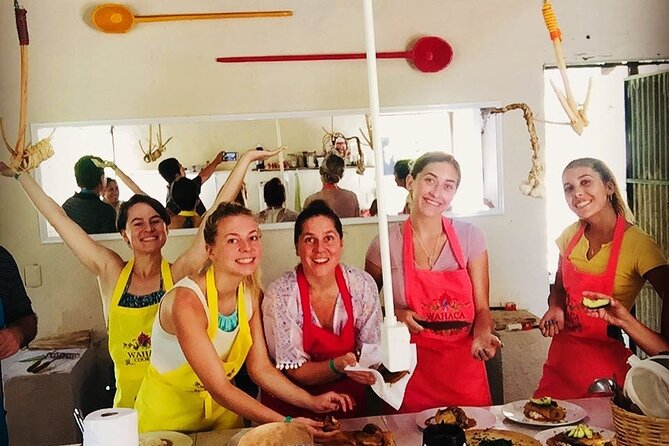
After cooking, you sit down and enjoy the meal you prepared. This shared table is a big part of why classes like this feel personal. You’re tasting the results while the techniques are still fresh in your mind, so it’s easier to remember what worked and what you want to repeat.
You’ll also have margaritas made from scratch. That’s not just a fun add-on. It reinforces the idea that Mexican meals are social, and the drinks are part of the same rhythm as the food.
Even if you’re traveling solo, the small group setup makes it easy to chat without it turning awkward. One of the most consistent highlights from people doing this class is the warmth of the host and team, plus the sense that you’re joining a family-style kitchen, not being processed like a ticket number.
Practical stuff that affects your day (timing, comfort, group size)
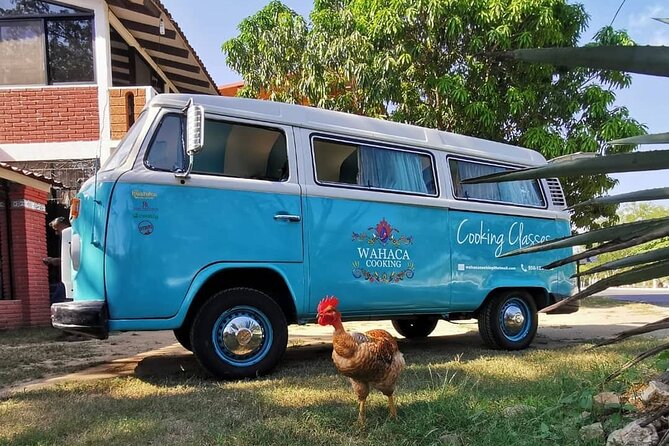
This is about a 3-hour experience, roughly, starting at 9:30am. The timing is important because you’ll be cooking and eating before the heat of the day fully arrives. It’s a smart choice if you want one activity that feels like a real meal and not another late-afternoon scramble.
You’ll be picked up from hotels in the Huatulco area. That reduces friction, especially if you are not renting a car. It also means you should plan to be ready at the agreed pickup time so the kitchen can keep its schedule.
Group size is capped at 12. In practice, that helps you get real attention while cooking. You’re not stuck watching while other people cook.
The class is offered in English, and you’ll use a mobile ticket. If you’re the type of traveler who likes simple steps, that’s a good match. Bring comfortable clothes you can get a little flour or sauce on, plus a way to store any personal items safely while you’re working.
Where this class fits in your Huatulco itinerary
This is the kind of half-morning activity that balances well with beach time and coastal exploring. Since you start early, you can still use the rest of your day for the water, local wandering, or an easy sightseeing plan.
It’s also a strong option if you want a “learn something” souvenir. You’ll leave with a meal you helped create, plus an email with recipes so you can repeat the food later. That combination is one of the best value angles: you’re not paying only for an experience, you’re buying skills and references you can use at home.
If you’re with family, this class is easy to justify because it’s hands-on and social. It’s not a long performance. People can participate at their own pace, and everyone shares the final meal.
Should you book this cooking class in Huatulco?
Book it if you want an authentic, practical Mexican cooking experience with real technique and a strong sense of place. You’ll likely enjoy it most if you like learning skills you can repeat, especially around corn tortillas, sopes, and balancing salsas. It also fits well if you care about regional food stories and how rural traditions shape what ends up on the table.
I would think twice if early mornings are a dealbreaker for you, since pickup and the 9:30am start mean you should plan for an early wake-up. Also, if you prefer a purely passive activity where you watch everything from start to finish, this one may feel too hands-on. For most people, though, that’s the point.
If you’re deciding between a casual food tour and a workshop, this leans strongly toward the workshop side, which is exactly why it earns such strong recommendations.
Further cooking sessions we have reviewed in Huatulco
More hands-on classes from our Huatulco notebook
Other kitchen sessions we have been through in Huatulco
Not quite it? More Huatulco tours from our review pile



Cooking Classes in Mexican Kitchens in one list.
 ★ 5.0Cabo San Lucas Mexican Cooking Class Experience and Local MarketsFrom $144915 reviews
 ★ 5.0Puerto Vallarta Cooking Class Experience with Market TourFrom $144698 reviews
 ★ 5.0Mexican Cooking from Scratch in a Local Home in TulumFrom $101585 reviews
 ★ 5.0Authentic Mexican Legacy Cooking Class in Cabo San Lucas530 reviews
 ★ 5.0Mexican Cooking Class with Food Market Visit in Mexico CityFrom $124506 reviews
 ★ 5.0Authentic Mayan Cooking Class in CozumelFrom $60344 reviews
 ★ 4.5Flavors of Oaxaca: Cooking Class with No Set Menu and Local Market TourFrom $75333 reviews
 ★ 5.0Playa del Carmen Mexican Cooking ClassFrom $113306 reviews
Where else it sits