
Reviewed · WHALE WATCHING
Dolphin & Whale Watching with Marine Biologists
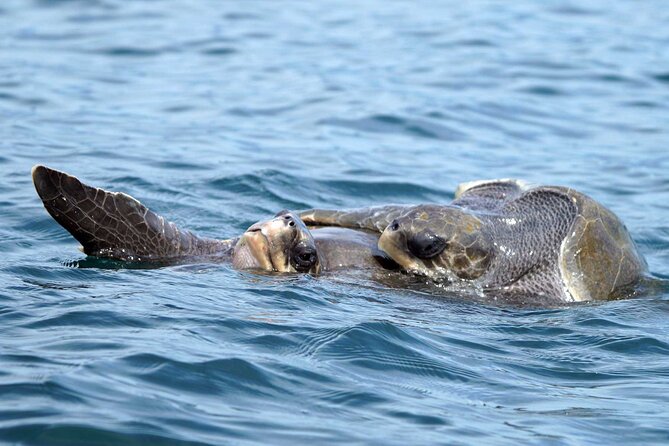
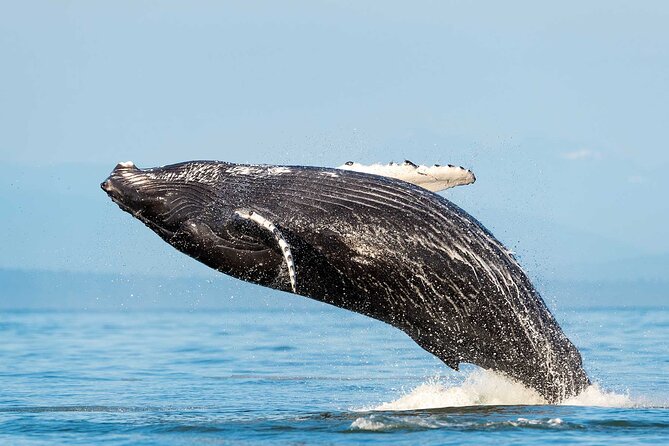
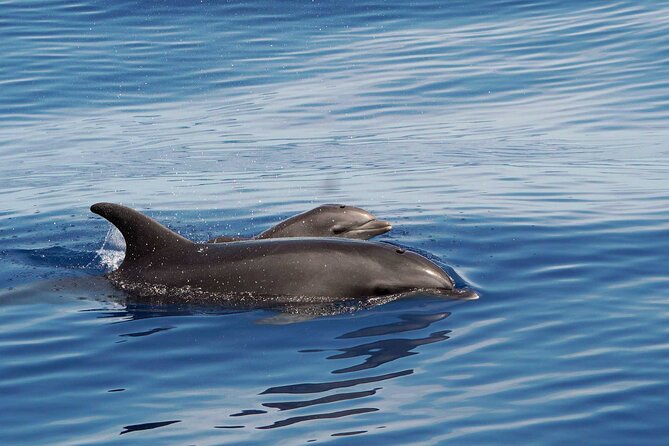
A calm morning plus whale songs equals a great start. This small-group boat trip in Huatulco is led by marine biologists, with a hydrophone you use to listen under water, not just look. You go out in search of humpback whales, dolphins, and sea turtles, then come back to a quick debrief.
I love the focus on respectful viewing and the chance to ask real questions. The crew explains what you’re seeing, shares current research, and even uses the hydrophone (underwater microphone) so you can hear whale and dolphin communication.
One consideration: this is weather-dependent and it is not a guaranteed whale day. Also, you’ll want cash for the park and marina fees on top of the tour price.
In This Review
- Key highlights that matter in real life
- Huatulco’s Whale, Dolphin, and Turtle Viewing, with Real Science Along the Way
- Marine biologists onboard: what you’ll actually do on the boat
- The 8:00 am start, the small group, and why it changes your odds
- From Marina Chahue to Huatulco National Park: what happens on the water
- Sightings you can plan around, plus what to accept
- Comfort tips: the boat, the sun, and what to pack
- Price, fees, and whether this feels like good value
- Best for who? And who might want a different tour
- When to book if humpbacks are your top target
- A quick reality check on the weather
- Should you book this dolphin and whale watching tour in Huatulco?
- FAQ
- What animals will I look for on this tour?
- When are humpback whales most likely to be seen?
- How long is the tour?
- Is bottled water included?
- What fees are not included in the price?
- Where do I meet for the tour?
- What are the age and weight limits?
Key highlights that matter in real life
- Marine biologists onboard: You get explanations while you’re out on the water, not after the fact.
- Hydrophone listening: Hear whale songs and dolphin communication through an underwater mic.
- Small group size: Maximum of 14 people, so you generally have an easier time moving and viewing.
- Seasonal humpback chances: Humpback whales are reported on about 90% of tours from December through March.
- More sighting time, not just more time: You travel to spots known to the team and their spotter network for better odds.
- Short, focused trip: About 2 hours 30 minutes with a briefing, ocean time, and a return debrief.
Huatulco’s Whale, Dolphin, and Turtle Viewing, with Real Science Along the Way
Huatulco is the kind of place where ocean wildlife feels close, even when you’re staying at a respectful distance. On this trip, the goal is simple: look for humpback whales, dolphins, and sea turtles, then learn what you’re seeing as it happens.
I like that the tour doesn’t treat sightings like lottery tickets. It builds in a real plan: a briefing before you leave the marina, guided observation time once you’re on the water, and an explanation of behavior and current research as sightings come up. You’ll also learn why rules in the water matter, since you’re operating around a protected national park area.
For humpbacks, timing is everything. From December through March, humpback whales are seen on roughly 90% of tours. Outside that window, you might still have plenty of dolphin and turtle action, but you should treat whales as the bonus rather than the promise.
Still weighing it up? Here are other tours across Huatulco we have written up in the same detail.
- Tour to Copalitilla Magical Waterfalls from Huatulco with admission included
★ 5.0 · 359 reviews - Full Day Tour of the Bays of Huatulco
★ 4.5 · 217 reviews - Kayak Huatulco Sunrise
★ 5.0 · 166 reviews - Ocean Eco Adventure with Marine Biologist Guides
★ 5.0 · 149 reviews - Street Food Cooking Class
★ 5.0 · 125 reviews
Marine biologists onboard: what you’ll actually do on the boat
The first thing you’ll notice is the tone. Before departure, the crew gives a short briefing about whales, dolphins, and sea turtles of Huatulco. That matters because once you can identify what you’re looking at, the whole experience gets more satisfying fast.
Then you head out with the hydrophone. This is an underwater microphone that lets you listen to whale songs and dolphin communication. Even if you never grew up as an ocean nerd, you’ll likely be surprised by how much detail you can pick up when you stop relying only on eyesight.
You’ll also have a guide who answers questions while you’re scanning the horizon. In past trips, names like Scarlett have come up as guides known for strong English and clear explanations. And captains like Tito have been praised for running the boat well even when conditions feel a bit bouncy, which matters because comfort helps you stay focused on wildlife.
The 8:00 am start, the small group, and why it changes your odds
This trip runs from 8:00 am and takes about 2 hours 30 minutes total. That early start is not just for convenience. In many wildlife situations, you get calmer water and better viewing light before the day heats up and the ocean gets choppier.
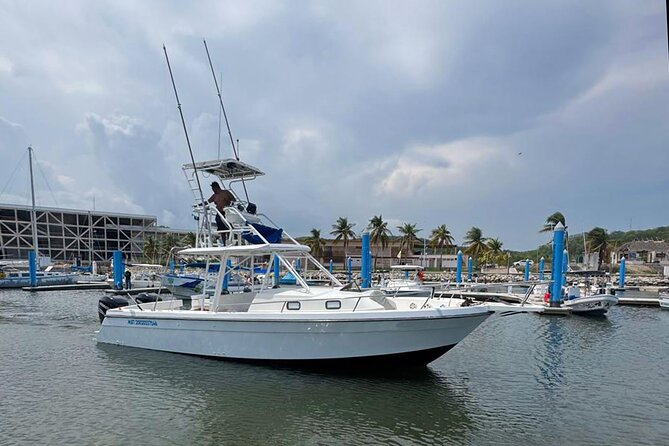
The group stays small, with a maximum of 14 people. In real terms, this helps you because you are not packed shoulder-to-shoulder trying to see through gaps. It also makes the boat more maneuverable for the captain when a sighting appears and the team needs to position you safely.
You’ll get a mobile ticket, and the tour is offered in English. It’s also described as near public transportation, so you should have an easier time getting to the marina without a complicated detour.
From Marina Chahue to Huatulco National Park: what happens on the water
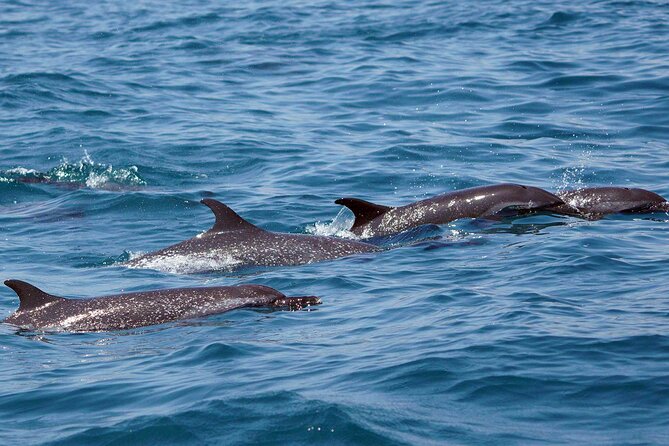
Your adventure starts at Oceanico Huatulco, Sector P, Bahias de Huatulco, Blvd. Benito Juárez, Marina Chahue (70987). You leave the marina, then you cruise out to areas the team considers best based on their network of spotters.
A single named stop is listed: Huatulco National Park. What that really means for you is that your boat time happens in a protected wildlife zone, where the crew is paying attention to regulations and respectful distance. The purpose is not to chase animals. It’s to observe them without causing stress.
Once you’re in the viewing area, you’ll likely alternate between scanning, repositioning when something is spotted, and learning what the animals are doing. The briefing helps, but the real learning comes when the guide explains behavior in plain language, like what signals calm feeding versus quick movement.
When you hear the hydrophone, you’ll shift from watching motion to listening for patterns. That blend is what makes this feel more “science trip” than “sightseeing cruise.”
Sightings you can plan around, plus what to accept
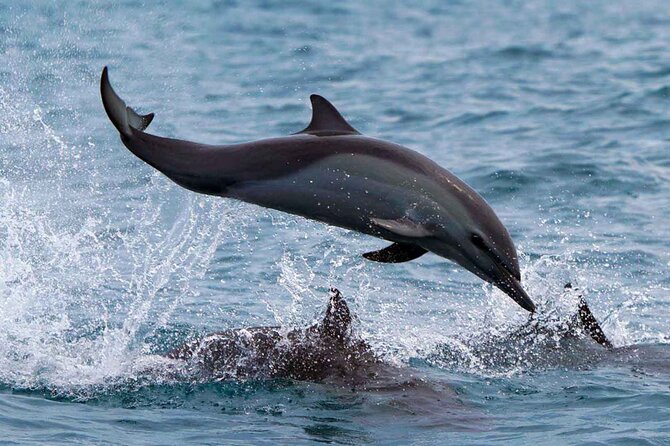
The big targets are clear: humpback whales, dolphins, and sea turtles. The tour is built around those species and includes a crew that can identify what’s happening and answer questions as you watch.
If you’re traveling in the December to March humpback window, you have strong odds, with humpbacks reported on about 90% of tours. That’s the best time to come if whales are your top priority.
If whales are not showing up, you still have a good chance of something worth your attention. In similar outings, people have mentioned dolphin pods, plenty of turtles, and other marine life like manta rays. The point here is not to guarantee your exact lineup, but to help you set expectations: you’re going for quality observation time, not just a checklist.
There is also a practical note. The boat experience can involve motion, including larger swells at times. A captain who handles the ride well makes a difference, and the tour’s marine team is part of that value because they are out there with wildlife conditions in mind.
- Tour to Copalitilla Magical Waterfalls from Huatulco with admission included★ 5.0 · 359 reviews
- Full Day Tour of the Bays of Huatulco★ 4.5 · 217 reviews
- Kayak Huatulco Sunrise★ 5.0 · 166 reviews
- Ocean Eco Adventure with Marine Biologist Guides★ 5.0 · 149 reviews
- “Copalitilla” Waterfalls from Huatulco★ 5.0 · 124 reviews
- Huatulco Walking Food Tour★ 5.0 · 116 reviews
- Huatulco Bahías Tour★ 4.5 · 95 reviews
Comfort tips: the boat, the sun, and what to pack
I’m a fan of trips where the comfort tips are obvious, and this one is. The boat is small, and while there is a canvas roof over the seating, it can still get hot. Plan for sun exposure and heat anyway.
Bring:
- A hat (the roof does not replace sun protection)
- Sunglasses
- Reef-friendly sunscreen
- Water, since only bottled water is included
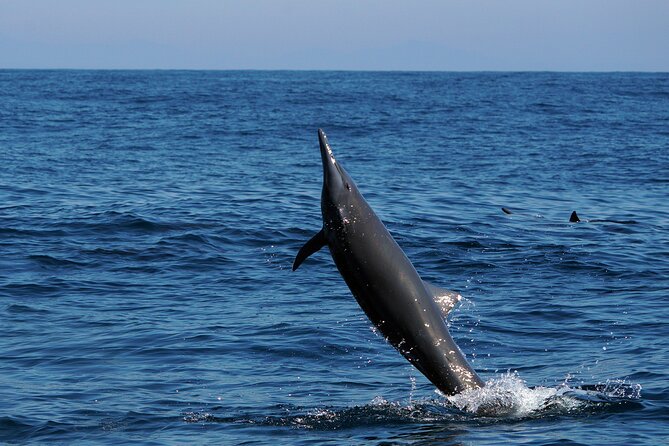
If you’re a photo person, also plan your camera setup for quick action. The ocean does not slow down for lenses. Dolphins, in particular, can be fast and change direction quickly.
Lifejackets are available for a wide range of body types: from children 3 years old up to adults 130 kg. If you are above 130 kg, this trip may not be for you based on the stated limits.
Price, fees, and whether this feels like good value
The tour price is $59.74 per person, lasting about 2 hours 30 minutes. That sounds straightforward, but the real value question is what you get for the money.
You get:
- Marine biologists guiding the trip and answering questions
- A hydrophone to listen to whale songs and dolphin communication
- A small group size capped at 14
- Time in a protected area associated with Huatulco National Park
- Bottled water included
On top of that, there are cash-only fees not included:
- Huatulco National Park fee: 65 pesos cash per person
- Chahué Marina fee: 10 pesos cash per person
So, do the math before you go. If you arrive prepared with cash and you care about marine life education (not just seeing animals), this tends to feel fair for the experience level. If your top goal is only whale sightings with no interest in listening, learning, or asking questions, you might compare alternatives, since you’re paying partly for the marine biology approach.
Best for who? And who might want a different tour
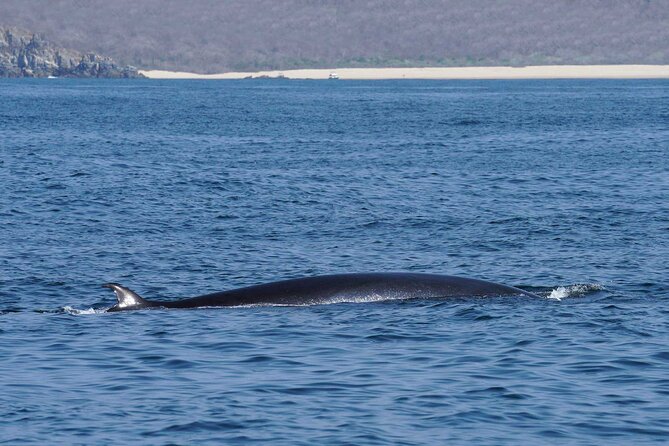
This is a great fit if you want wildlife viewing with context. If you like understanding animal behavior, hearing what researchers think, and using the hydrophone, you’ll feel like you got your money’s worth.
It’s also a solid choice for families with kids aged 3 and up, since lifejackets are provided for that range. The small group format helps keep the experience calm rather than chaotic.
You might choose a different option if:
- You’re mainly interested in guaranteed whale sightings year-round (whales depend on season and conditions)
- You need a boat with lots of shade or room, since this one is described as small
- You are over 130 kg, since that is the stated limit
When to book if humpbacks are your top target
If humpback whales are the headline for you, aim for December through March. That’s when humpback whales are reported on about 90% of tours.
If you’re going outside that window, treat this as a dolphins and turtles trip with a chance at whales. You’ll still get plenty of guided ocean time, hydrophone listening, and help spotting what’s out there.
Also, book in advance if your travel dates are fixed. On average, this activity is booked about 33 days in advance, which tells me it’s popular enough that you should not wait until the last minute.
A quick reality check on the weather
This experience is described as requiring good weather. If the tour is canceled due to poor weather, you’ll be offered a different date or a full refund. That policy is important because it means the operator is not forcing it in rough conditions.
Even with good weather, the ocean can still be unpredictable. The best mindset is to dress for motion and focus on the process: scan, learn, listen, and enjoy the wildlife you do find.
Should you book this dolphin and whale watching tour in Huatulco?
If you want a small-group outing with marine biologists, hands-on ocean listening, and a respectful approach to wildlife, I’d say yes. The best part is that you’re not just consuming a spectacle. You’re learning while you watch, and the hydrophone turns whale and dolphin communication into something you can experience, not just imagine.
Book it if:
- You’re traveling in December to March and humpbacks are a priority
- You enjoy asking questions and want animal behavior explained
- You prefer a maximum 14-person group and more room to move
Skip it or compare options if:
- You need a guarantee of whales every day
- You strongly dislike boat motion, heat, or sun exposure
- You’re outside the age or weight limits for lifejacket fit
Bottom line: this is a high-value choice when you care about the science and the viewing etiquette as much as the animals themselves.
FAQ
What animals will I look for on this tour?
The tour focuses on respectfully observing humpback whales, dolphins, and sea turtles in Huatulco.
When are humpback whales most likely to be seen?
Humpback whales can be seen on about 90% of tours from December through March.
How long is the tour?
It runs about 2 hours 30 minutes.
Is bottled water included?
Yes. Bottled water is included.
What fees are not included in the price?
You’ll need cash for the Huatulco National Park fee (65 pesos per person) and the Chahué Marina fee (10 pesos per person).
Where do I meet for the tour?
Meet at Oceanico Huatulco, Sector P, Bahias de Huatulco, Blvd. Benito Juárez, Marina Chahue, 70987 Bahias de Huatulco, Oax., Mexico.
What are the age and weight limits?
Minimum age is 3 years old, and lifejackets are available for children from 3 up to adults weighing 130 kg. People over 130 kg are not included based on the stated limit.
Not quite it? More Huatulco tours from our review pile




Whale Watching in one list.
 ★ 5.0Luxury Catamaran Whale Watching Cabo San LucasFrom $1292,107 reviews
 ★ 5.0Whale Watching Cabo-Women crew-Sightings Guaranteed & Free PhotosFrom $1001,743 reviews
 ★ 5.0SMALL GROUP Whale Watch | Cabo San Lucas | Biologist | FREE PicsFrom $1091,106 reviews
 ★ 5.0La Paz Whale Shark Snorkeling Tour and Lunch From Los CabosFrom $2591,066 reviews
 ★ 5.0Humpback Whales in Cabo San LucasFrom $991,005 reviews
 ★ 5.0Whale Shark Adventure in Isla Mujeres and CancunFrom $155951 reviews
 ★ 5.0Whale Shark Tour from Cancun, Playa del Carmen, Tulum and Riviera MayaFrom $199929 reviews
 ★ 4.5Whale Sharks Small-Group Tour in Cancun and Riviera MayaFrom $160916 reviews
Where else it sits