
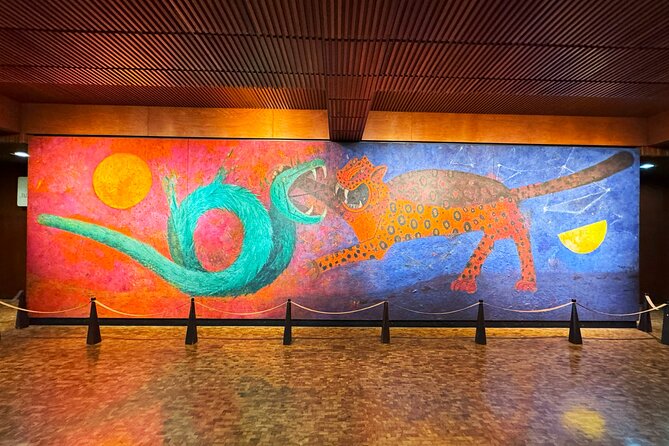
Reviewed · CHAPULTEPEC & THE ANTHROPOLOGY MUSEUM
Museo Nacional de Antropología – Small Groups
Big museum, sharper meaning.
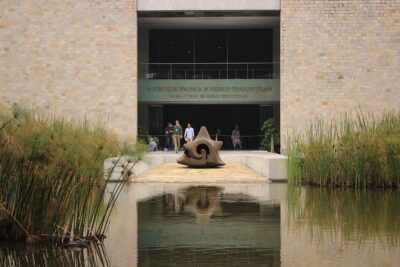
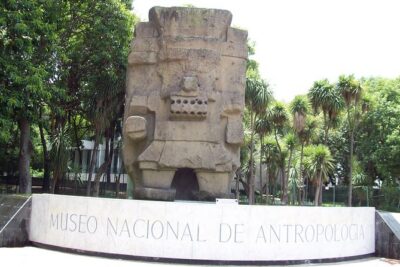
This small-group visit to the Museo Nacional de Antropología in Mexico City helps you understand what you are really looking at, with an English guide focused on the museum’s design idea and 6 of the 11 archaeology rooms. You move through major pre-1521 cultures using standout objects, so the time periods stop feeling like random labels.
I love two things about this tour. First, the maximum of 6 travelers keeps the pace relaxed and the questions possible, even when the halls feel crowded. Second, I like the way English explanations connect the cultures you see, including Olmeca, Zapoteca, Teotihuacan, and Mexica themes, so you leave with a cleaner picture of Mesoamerica before the fall of Mexico Tenochtitlan in August 1521.
One drawback to consider: admission is not included in the $83.63 price, and the total time is about 3 hours, so you will hit major stops but you will not roam the whole museum at a slow, take-your-time pace. If you want long browsing, plan extra museum time before or after.
In This Review
- Key things I’d bet on
- Why this 3-hour, max-6 approach fits the Museo Nacional de Antropología
- Getting to the meeting point in Polanco without stress
- Price and logistics: what you pay, what you still need
- The museum’s design story, and why it changes what you notice
- The core visit: six archaeology rooms, four cultures, one pre-1521 timeline
- A practical way to use this visit during the time crunch
- How English guidance helps when Spanish signage takes over
- Pacing, comfort, and what moderate mobility really means
- What you’ll be ready for after: pyramids and other big stops
- Should you book it? Here’s when it makes sense, and when it doesn’t
- FAQ
- Is the museum admission included in the $83.63 price?
- How long is the Museo Nacional de Antropología small-group tour?
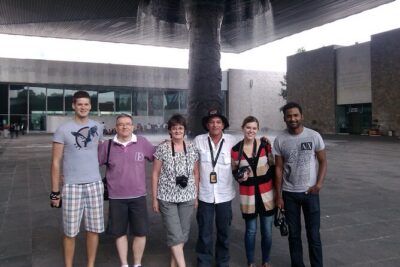
- How many people are in the group?
- What language is the tour offered in?
- Where do we meet, and when does it end?
- Can I cancel for a full refund?
Key things I’d bet on
- Small group size (up to 6) for a calmer museum experience
- English guide that helps when most signage is in Spanish
- 6 archaeology rooms covered, a smart use of limited time
- A focused story of major pre-1521 cultures in Mesoamerica
- A memorable object-history moment, including artifacts stolen on December 25, 1985
- Expect about 3 hours, so you get highlights more than everything
Why this 3-hour, max-6 approach fits the Museo Nacional de Antropología
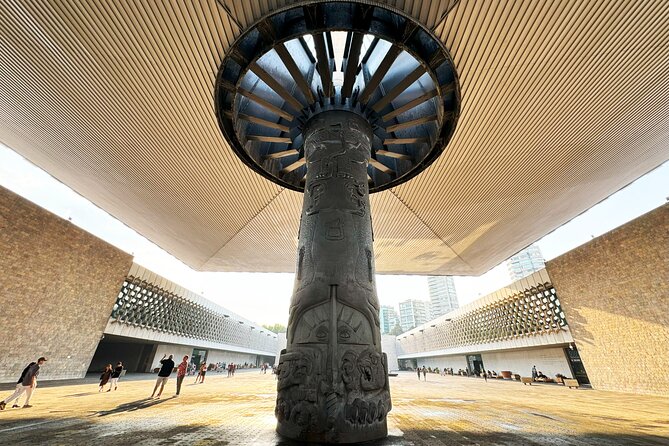
The Museo Nacional de Antropología is not a quick pop-in kind of place. It is big, and the collections are arranged so you can lose your bearings fast if you are going solo. This tour works because it picks a route and turns the visit into a guided story, not a walking assignment.
With a small group, you also get breathing room. You are not sprinting behind a dozen strangers, and you can usually hear the guide without doing the whole “lean in, squint, guess” routine. That matters in a museum where groups naturally form tight clusters around the most famous objects.
Also, the guide is not just naming cultures. The format is designed to help you understand why these rooms and objects are connected. In practical terms, it means you spend your energy noticing what is on display instead of trying to decode it from scratch.
Other Chapultepec museum visits in Mexico City that earned a write-up
- Anthropology Museum Guided Tour
★ 4.5 · 1,035 reviews - Mexico City: Anthropology Museum Guided Visit
★ 4.4 · 708 reviews - Mexico City: Chapultepec Castle and Anthropology Museum Tour
★ 4.5 · 637 reviews - Mexico City: Anthropology Museum Skip-the-Line Ticket
★ 4.4 · 502 reviews - Anthropology Museum Private Experience Walking Tour
★ 5.0 · 355 reviews
Getting to the meeting point in Polanco without stress
You start at Museo Nacional de Antropología, Av. P.º de la Reforma s/n, Polanco, Bosque de Chapultepec I Secc, Miguel Hidalgo, 11560 Ciudad de México, CDMX, Mexico. The tour also ends back at the same meeting point.
It is listed as near public transportation, which is a real advantage in Mexico City, where the best plan depends on where you are staying. If you are using transit, give yourself a little buffer so you can get there with time to find the group.
One small heads-up: the museum has a lot of people. Even with a guide, it is easy to feel slightly anonymous at the beginning. I recommend arriving a few minutes early, with your mobile ticket ready, so you can settle in before the tour starts moving.
Price and logistics: what you pay, what you still need
You will pay $83.63 per person for the tour experience. That price covers the guide service, not the museum admission ticket.
Plan for the admission fee of MX$210.00 per person. The instruction is clear: buy tickets at the museum’s official site, and do not purchase anywhere else. If you skip that step and assume it is included, you will end up doing last-minute scrambling, which is the opposite of a good museum visit.
Value-wise, this setup is usually a fair trade for travelers who want real clarity without spending hours charting their own route. Three hours is a useful window for a first pass at a museum this size, as long as you accept that you are choosing highlights rather than seeing everything.
The museum’s design story, and why it changes what you notice
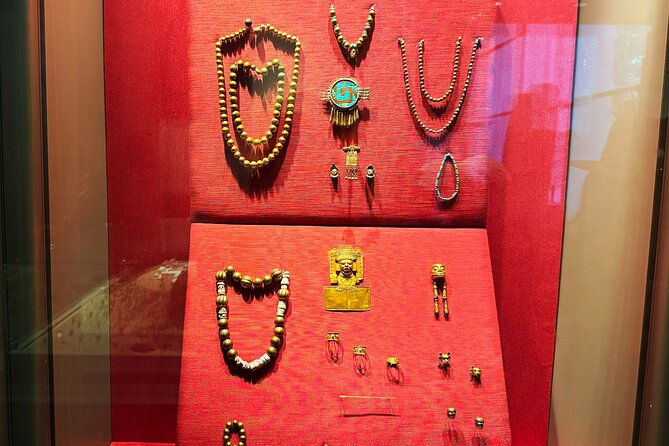
This tour focuses not only on objects, but on the thinking behind the museum. You learn about the project behind the design of the National Anthropology Museum, then you use that context to interpret what you see in the archaeology rooms.
That matters more than it sounds. When you understand the logic of how the museum presents Mesoamerican cultures, you can spot patterns faster, like how different civilizations are shown through key artifacts and themes. Instead of wandering from one display to the next, you start recognizing the guide’s route as a message.
The guiding team is described as an artist, a researcher, and an official tourist guide. In plain language, that usually means you get both structure and storytelling. And based on past experiences with guides like Raúl and Rahul, you can also expect strong English delivery, which is huge when most labels and signage are in Spanish.
The core visit: six archaeology rooms, four cultures, one pre-1521 timeline
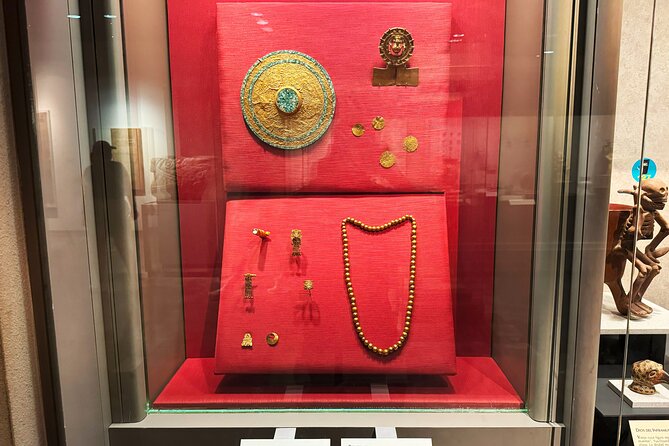
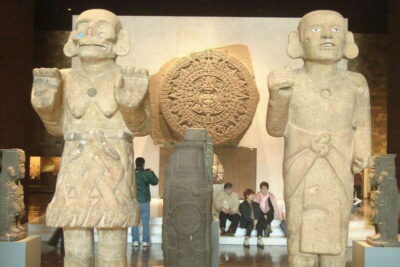
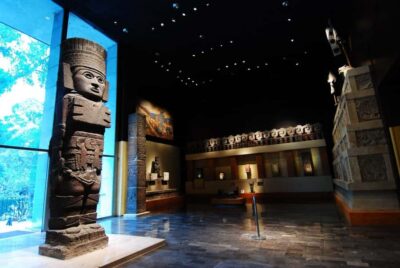
You spend the bulk of the tour inside the museum, covering 6 of the 11 archaeology rooms. By the end, the goal is that you understand the most representative cultures that inhabited Mesoamerica before the fall of Mexico Tenochtitlan in August 1521.
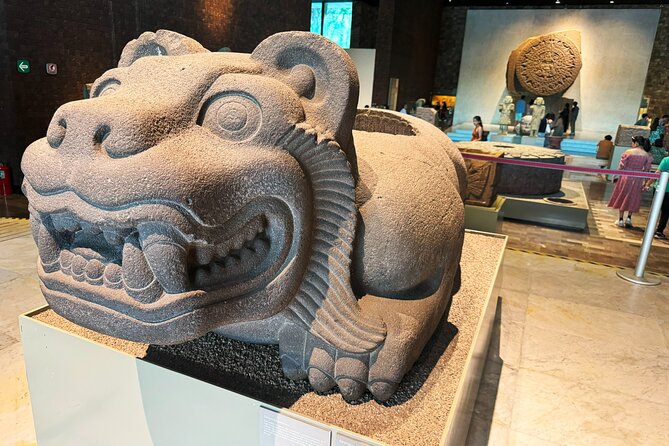
The tour uses standout pieces as vehicles for moving through time. You will see objects tied to Olmeca, Zapoteca, Teotihuacan, and Mexica themes. Even if you have heard these names before, a guided explanation helps you connect what the objects represent to how societies functioned, not just when they existed.
Here is one detail I found especially memorable for the way it adds human weight to museum study: some of the pieces you will encounter that are made of gold, jade, and obsidian were stolen on December 25, 1985. A moment like that does not just add trivia. It reminds you these collections have modern history too, not only ancient history.
- Teotihuacan, Guadalupe Shrine & Tlatelolco Day Tour with Lunch★ 5.0 · 11,603 reviews
- Xochimilco, Coyoacan and Frida Kahlo with Optional Lunch★ 4.5 · 7,320 reviews
- Balloon flight + Breakfast in cave + Pyramids + Pick up CDMX.★ 5.0 · 6,335 reviews
- Teotihuacan pyramids morning or afternoon without tourist traps★ 5.0 · 6,186 reviews
- Teotihuacan Early Access Guided Tour with optional Lunch★ 4.5 · 6,138 reviews
- Balloon flight + pick up in CDMX + Breakfast in Cave + Pyramids★ 5.0 · 5,651 reviews
- Balloon Flight + Cave Breakfast + Pick Up from CDMX or We Fly★ 5.0 · 4,410 reviews
A practical way to use this visit during the time crunch
Because the tour is built to cover multiple rooms, your mindset needs to be selective. You do not need to read everything word-for-word. Instead, focus on what the guide highlights, and treat each stop as a chapter.
If you do that, you come away with a mental map. Then, if you return later on your own, you are not starting from zero. You are filling in gaps.
How English guidance helps when Spanish signage takes over
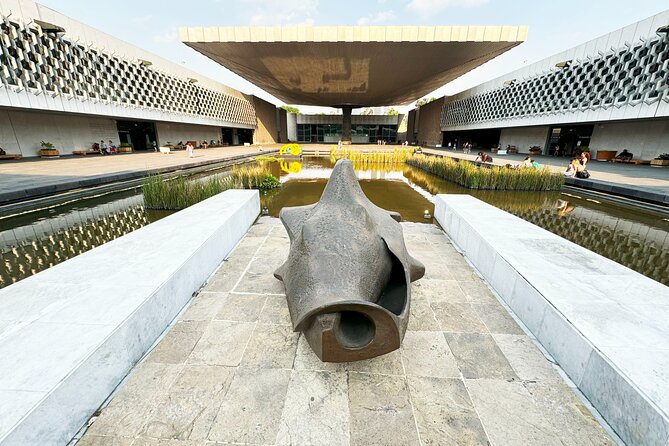
Most visitors notice a simple problem fast: the museum signage is in Spanish. If you do not read Spanish comfortably, a big museum can feel like a set of visuals with missing context.
That is why the English offering is such a big deal here. Past guide experiences like those with Raúl and Rahul emphasized clear English and organized explanations, making it easier to follow the story even when the signs are not in your language.
Another bonus from real-world guide behavior: if you need to pause, you are not stuck with the assumption that everyone must stand the entire time. One example was a guide being kind and taking seated breaks while still explaining the culture in focus. If you prefer a slower pace inside galleries, do not be shy about asking for a short pause when needed.
Pacing, comfort, and what moderate mobility really means
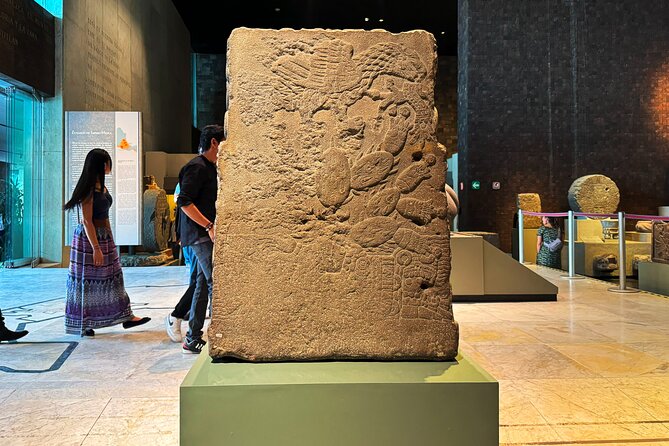
The tour is listed for travelers with moderate physical fitness. That is a polite way of saying you should be prepared to walk through museum spaces and stand for parts of the visit.
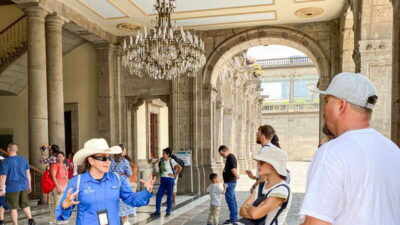
In a place this crowded, the pacing can feel a bit like crowd management as much as sightseeing. The good news is that the small group format helps a lot. You are less likely to get separated, and the guide can typically keep the group moving at a speed that works for most people.
The one caution I would give is about the start of the tour. If you arrive right at the start and the lobby is full, you might need a moment to locate your group and get oriented. Arrive a little early, keep your mobile ticket handy, and you will feel in control instead of rushed.
What you’ll be ready for after: pyramids and other big stops
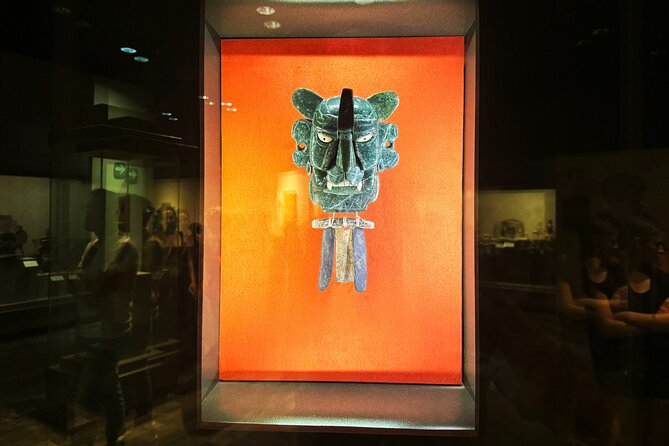
One thing this tour naturally does is make you more prepared for later Mexico City area archaeology stops. When the museum visit gives you a clear storyline from earlier Mesoamerica cultures, big sites outside the museum tend to click faster.
For example, the tour can set you up for understanding what you might notice when heading to places like Teotihuacan and Monte Albán. You do not need to memorize every detail during the museum visit. You just need a baseline sense of the cultures and time periods, and this tour is built for that.
Think of it like primer classes. Museums can be intimidating. This one is still a lot, but the guide route helps your brain organize the information you encounter elsewhere.
Should you book it? Here’s when it makes sense, and when it doesn’t
Book this tour if you want:
- A small-group, English way to understand a large museum
- A timed visit that covers 6 of 11 archaeology rooms without you having to plan a route
- Focus on the cultures you actually hear about, before 1521, with objects that help you connect the dots
- A guide who turns museum study into something you can follow and remember
Skip or reconsider if you:
- Plan to spend lots of time reading every label, because 3 hours is still a highlight pass
- Want admission fully bundled into the price, since you will pay MX$210.00 separately
- Expect a totally flat, no-standing experience, since moderate mobility is part of the setup
If you are on the fence, a useful strategy is to treat this as your first structured museum visit. Then, if you love the topic, you can return later to linger in the rooms you care about most.
FAQ
Is the museum admission included in the $83.63 price?
No. The tour includes the guide service, but admission costs extra. The admission fee is MX$210.00 per person, and tickets are available at the museum’s official site only.
How long is the Museo Nacional de Antropología small-group tour?
The duration is about 3 hours.
How many people are in the group?
The tour has a maximum of 6 travelers.
What language is the tour offered in?
The tour is offered in English.
Where do we meet, and when does it end?
The meeting point is Museo Nacional de Antropología on Av. P.º de la Reforma s/n, Polanco, Bosque de Chapultepec I Secc. The tour ends back at the meeting point.
Can I cancel for a full refund?
Yes. Cancellation is free, and you can cancel up to 24 hours in advance of the experience start time for a full refund. If you cancel less than 24 hours before, the amount paid is not refunded.
Chapultepec museum visits still worth a look around Mexico City
Not quite it? More Mexico City tours from our review pile





Chapultepec & the Anthropology Museum in one list.
 ★ 4.5Chapultepec Castle & Anthropology Museum TourFrom $791,348 reviews
 ★ 4.5Anthropology Museum Guided TourFrom $391,035 reviews
 ★ 4.4Mexico City: Anthropology Museum Guided VisitFrom $67708 reviews
 ★ 4.5Mexico City: Chapultepec Castle and Anthropology Museum TourFrom $47637 reviews
 ★ 4.4Mexico City: Anthropology Museum Skip-the-Line TicketFrom $15502 reviews
 ★ 5.0Anthropology Museum Private Experience Walking TourFrom $78355 reviews
 ★ 5.05 Hour Tour through Chapultepec, Anthropology Museum and CastleFrom $61239 reviews
 ★ 5.0PRIVATE Tour in Chapultepec Castle and Museum of AnthropologyFrom $113144 reviews
Where else it sits