
Reviewed · TULUM RUINS & BEACH CLUBS
Tulum: Chocolate & Honey Sanctuary Experience with Lunch
Cenote water and chocolate lessons in one calm visit. I like how this Honey & Chocolate Sanctuary blends a hands-on cacao workshop with a real cenote swim, and you end with an organic lunch tied to the same flavors.
You’ll get a full 3-hour block that feels more like a slow visit with a family operation than a rushed stop. Two things I especially like are learning how honey soap is made and having time to swim in the cenote’s crystal water.
One thing to keep in mind: the hands-on portions can vary a bit (some steps may be more watch-and-listen than true making), and soap-making depends on the setup that day. If you want guaranteed participation in every step, go in with flexible expectations.
In This Review
- Key things to look for
- Finding Chococacao Maya, then stepping into the jungle
- Mayan cacao workshop: roasting, peeling, grinding, and building your chocolate
- Honey and the stingless Maya bee: why this sanctuary focuses on conservation
- The honey soap experience: what you actually leave with
- Lunch that tastes like honey and chocolate, not just a snack
- Cenote swim with sacred waters: timing, packing, and safety
- How long it takes, and how the pace feels
- Price and value for a $59, 3-hour honey and cacao sanctuary
- Should you book this Tulum Chocolate and Honey Sanctuary?
- FAQ
- How long is the Chocolate and Honey Sanctuary experience?
- Where do I meet the guide?
- What’s included in the price?
- What is not included?
- What should I bring?
- What cancellation options are available?
- What languages are spoken during the tour?
Key things to look for
- Honey soap you make yourself and can take home
- A Mayan cacao process you can see up close, from roasting to grinding on a metate
- Flavor options for your own organic chocolate mix (like vanilla, coffee, habanero, and more)
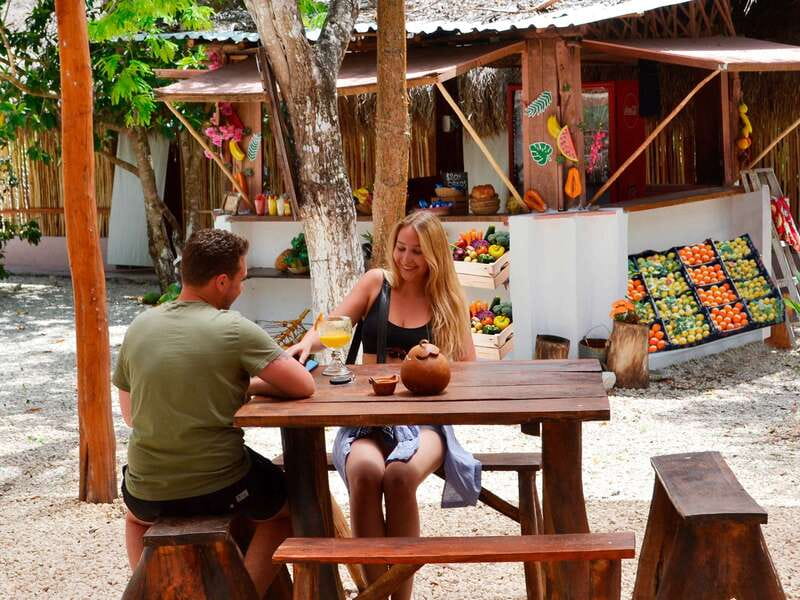
- A stingless Maya bee conservation talk, including how their honey is used
- Cenote swimming with sacred-water legend, plus a calm, restorative pace
- Lunch built around honey and chocolate, often including a chocolate sauce main
Finding Chococacao Maya, then stepping into the jungle
The experience meets at Chococacao Maya’s entrance, right in front of the Starbucks at Hotel Aldea Coba. You check in at the Shamans’ Palapa, then you’re guided from there into the sanctuary grounds.
What makes the start feel special is the framing. You begin with experts giving instructions, then a shaman blessing before you enter the jungle area where the sanctuary sits. It’s not just for show, either. The tone quickly becomes a kind of “slow down and notice” lesson, where chocolate and honey are treated as cultural knowledge, not just products.
If you’re trying to plan your day in Tulum, the 3-hour duration is a sweet spot. It’s long enough to learn and swim, but not so long that it ruins your beach time or forces you into an all-day schedule.
One practical note: drinks aren’t included, so if you’re the type who gets thirsty between activities, plan to buy water on your own before you arrive (or just expect you’ll drink during breaks). Also, there’s no life jacket provided, so don’t assume one will appear.
Still weighing it up? Here are other tours across Quintana Roo we have written up in the same detail.
- Cozumel: El Cielo & Palancar Snorkel with Open Bar & Ceviche
★ 4.1 · 323 reviews - Cozumel: Pirate Ship Cruise with Open Bar, Dinner, and Show
★ 4.7 · 152 reviews - PARADISE ISLAND- ISLA CONTOY AND ISLA MUJERES
★ 4.4 · 70 reviews - Bacalar: Group Sailing Tour with Guide
★ 4.7 · 66 reviews - Bacalar: Magnificent Bacalar Lagoon Exclusive Boat Tour
★ 4.9 · 52 reviews
Mayan cacao workshop: roasting, peeling, grinding, and building your chocolate
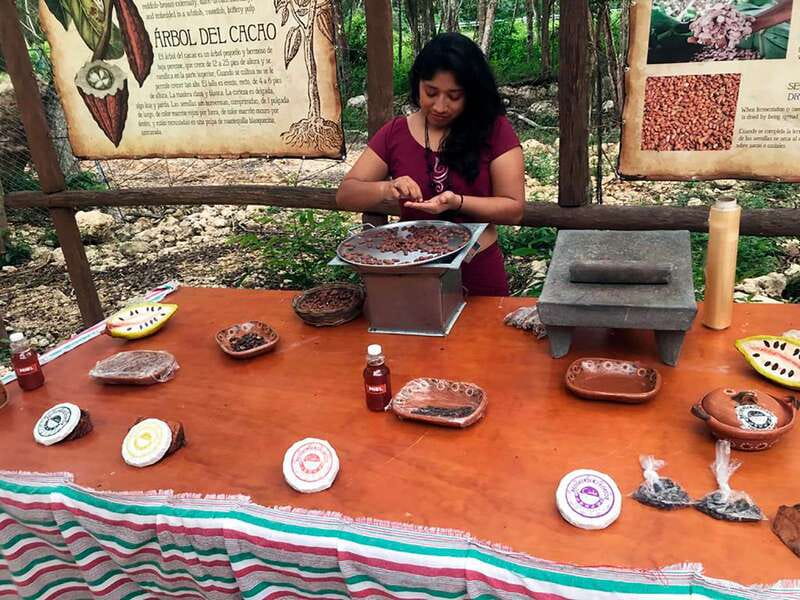
This part is the heart of the day. You’ll learn the history behind Mayan cocoa, including how cacao seeds were used like a bargaining chip in the past. That context matters because it helps you understand why the process is so detailed, not because chocolate is trendy.
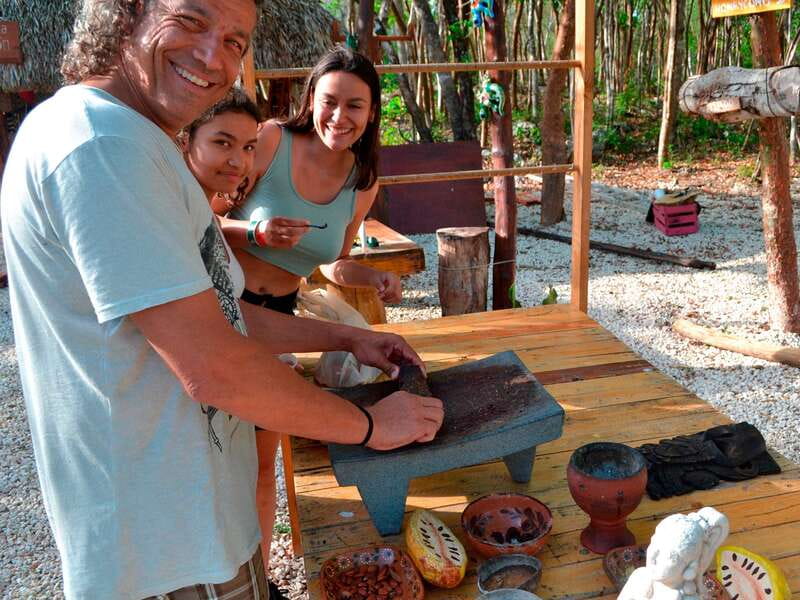
Then you get walked through the making steps that still use traditional tools. The workshop covers roasting the seeds, peeling them, and grinding them into cocoa paste using metates. This is the part that many people remember because you finally see what goes into the texture and flavor, not just the finished bar.
You also get to personalize the experience by choosing from ingredient options for your chocolate mix, such as vanilla, amaranth, coffee, and habanero. If you like the idea of tasting the same chocolate base with different personalities, this is where you’ll feel the most involved.
What you might not expect is that the hands-on level can vary. In the information you provided, there are examples of groups getting some direct grinding time on the metate but not getting every step in the way they were hoping. So I’d treat this as a guided workshop with a few hands-on moments, not a full make-from-scratch cooking class.
Language note: the guide is offered in Spanish and English, and guides are described as patient. Still, if you’re sensitive to language barriers, you may want to come with a few simple questions ready, like what each ingredient adds to flavor or how the grinding changes the final result.
Honey and the stingless Maya bee: why this sanctuary focuses on conservation
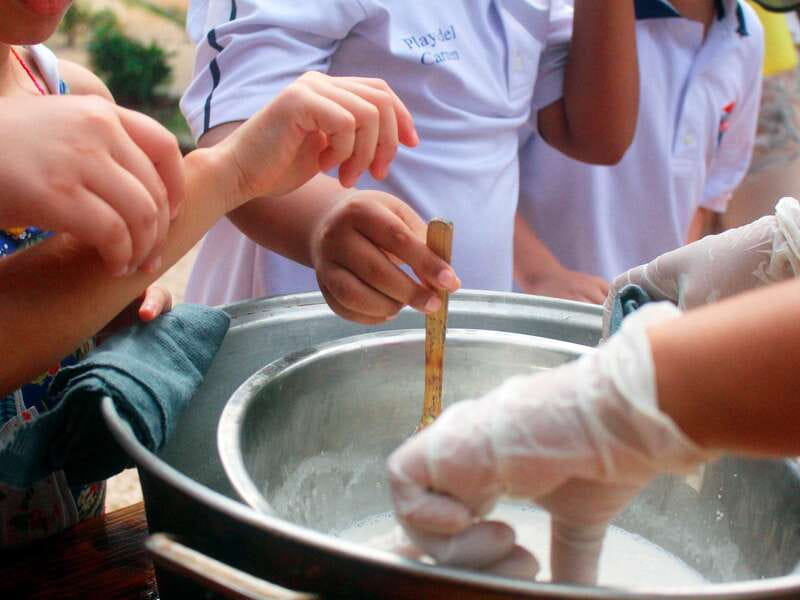
After cacao, the honey side comes in with a conservation lesson. You’ll take a workshop on the conservation of the Maya bee, described as the only bee in the world that does not have a stinger. The sanctuary’s goal is to preserve this bee and the honey it produces.
This is one of the most meaningful parts of the experience because it explains the “why” behind the products. Honey becomes more than a sweet taste. It’s also connected to medicinal uses mentioned during the workshop and to the sanctuary’s conservation mission.
You’ll learn about the bee’s honey and its many uses, then you move into practical making. Part of the experience is making soaps with honey, using your hands. The info you provided includes both positive outcomes and one mixed experience where soap-making didn’t fully happen due to a missing key ingredient. So if soap-making is your main goal, I’d still plan for it, but go in with flexibility.
One charming extra: the sanctuary has a calm dog named Lola. It usually only sniffs and hangs around, and it adds to the family-run, relaxed feel that people describe.
The honey soap experience: what you actually leave with
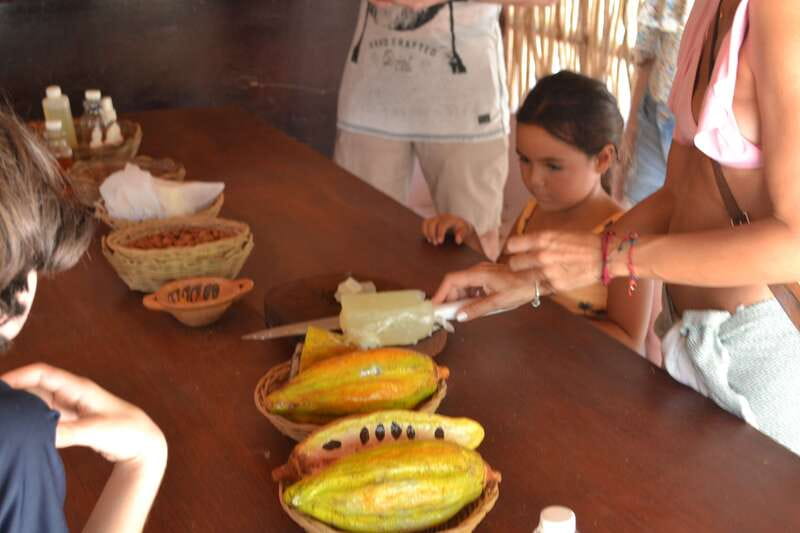
The honey soap segment is where the day becomes tangible. You’re taught how to make honey soap using honey directly tied to the sanctuary’s process. You should plan on the fact that you’ll leave with a product, which makes the experience feel like more than a lesson.
If your skin is sensitive, consider bringing a little patience, since handmade soap can vary slightly by batch. The event includes making soaps, but again, the information you provided includes a case where soap-making was impacted. So the best approach is: expect to make something, but don’t plan your entire purchase list around it being guaranteed on every visit.
Also, pack smart for this part. If you’re going to the cenote after, you’ll likely end up changing or at least rinsing off. Bring change of clothes and a towel so you’re comfortable when you move from jungle heat into cool water.
Lunch that tastes like honey and chocolate, not just a snack
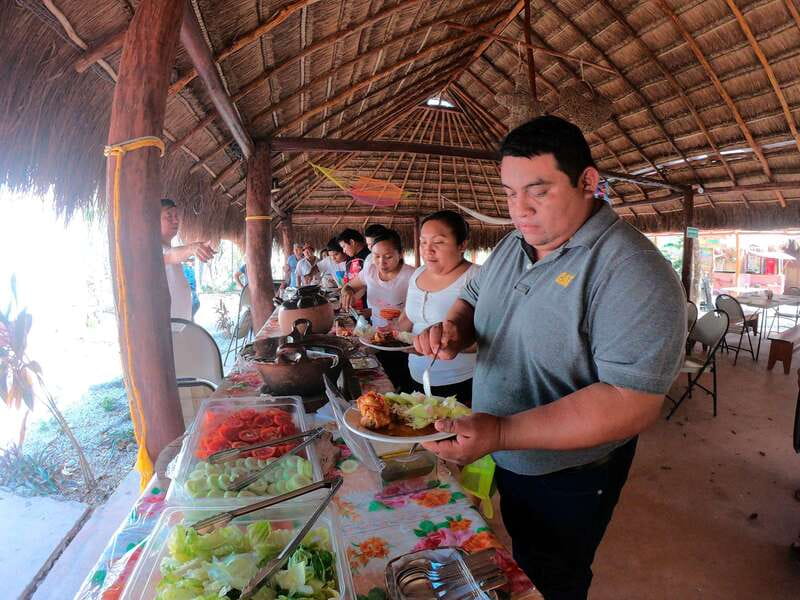
At the end of the workshop segments, you’ll eat a gourmet organic meal centered on honey and chocolate. This is included, which is a big value point. Many Tulum experiences sell you a workshop, then charge extra for lunch. Here, the meal is part of the theme.
The menu details vary by what you choose and what the hosts decide to serve that day, but the information you provided includes examples like chicken with chocolate sauce. That’s a key clue: you’re not only tasting sweet chocolate. You’re tasting chocolate in savory forms too, which is a much more interesting way to understand the ingredient.
You may also taste honey and chocolate together, and there’s mention of hot chocolate made from their ingredients. One description even notes a homemade cold honey infused cocoa drink during a hot day. If you’re the kind of person who loves food experiences, this lunch is likely to be one of your favorite parts of the day because it ties everything together: cacao process, honey flavor, and final pairings.
One more practical thing: drinks aren’t included, so treat lunch as food plus included tastings, not a full bar. If you want a beverage, you’ll need to buy it separately.
More cacao sessions across Quintana Roo, same treatment
- Cozumel: Seaside Chocolate Workshop and Wine Tasting★ 5.0 · 30 reviews
Cenote swim with sacred waters: timing, packing, and safety
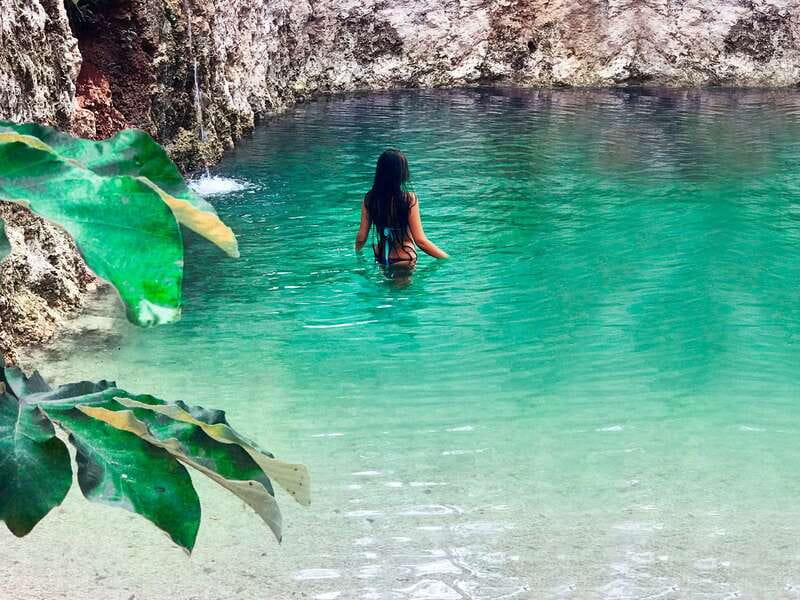
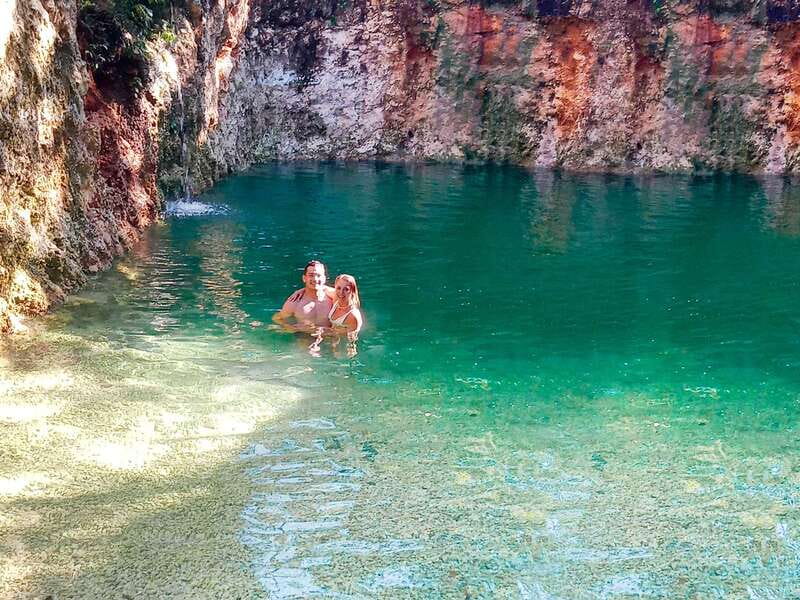
After lunch, the day shifts to the cenote. You’ll have time to swim in a cenote with crystal water, described in the info as refreshing and gorgeous.
The cenote part is included, and the experience frames it as a regain-strength-and-vitality moment. There’s also a legend that with each swim, you increase your life by one or two years. Whether you take that literally or as a fun story, it helps explain the calm, restorative intention of this tour.
Pack for practicality, not just photos:
- Swimwear and a towel are must-haves
- Change of clothes helps a lot since you’ll be wet after
- Water shoes matter in rocky or slick spots
- Biodegradable sunscreen and biodegradable insect repellent are recommended
Also, life jackets are not included. If you don’t feel confident in open water swimming, you’ll want to be cautious. Bring your own comfort level, and consider staying closer to the edges.
If you’re worried about the order of activities, note that the pacing can be tailored when the group is small. One example in your info mentions that a father-and-son duo tailored the order when there were only a few people. So you may find the day runs slower and more personal than bigger-group tours.
How long it takes, and how the pace feels
This is scheduled as a 3-hour experience, which is ideal if you want something more meaningful than a quick tasting stop. Reviews and details suggest a relaxed pace, with people describing it as slow, calm, and not packed.
That pacing is one of the real advantages in Tulum. Many experiences feel like a conveyor belt from one photo spot to another. Here, the rhythm is workshop, making, eating, then swimming. If you like structured learning but hate feeling rushed, it’s a good fit.
Small group behavior can be a plus. One example says a group was only a few people, and the hosts adapted the order of activities. Even when the group isn’t tiny, the sanctuary approach tends to keep things gentle.
Price and value for a $59, 3-hour honey and cacao sanctuary
At $59 per person, you’re paying for more than a tasting. You’re paying for:
- Entry to the sanctuary
- The cacao workshop
- The honey soap experience
- An organic meal focused on honey and chocolate
- The cenote swim
That bundle is where the value is. In many parts of Mexico, you pay separately for a workshop, then separately for lunch and the cenote. Here, those are rolled into one 3-hour block.
Two costs to watch:
- Drinks are not included
- Life jacket is not included
If you plan ahead, those are easy to handle. If you arrive expecting bottled drinks and a safety vest, you’ll be disappointed.
The biggest “value” question is also the hands-on expectation. If you want to actively make every step yourself, be aware that some parts may be more guided instruction than constant participation. Still, you should come away with real knowledge and a product or tasting experience that connects the honey and cacao story.
Should you book this Tulum Chocolate and Honey Sanctuary?
Book it if you want a calmer side of Tulum. This is for you if you enjoy food learning, want a cultural context for cacao and honey, and you’re excited about swimming in a cenote without turning the day into a sprint.
I’d also recommend it for couples and families who want something different from the beach-and-party routine. The language support in Spanish and English, plus the patient approach mentioned in the details, makes it workable for mixed language groups.
Consider skipping or adjusting expectations if:
- You’re very strict about hands-on making at every step (some elements may be watch-and-learn rather than nonstop making)
- Soap-making is your only motivation and you’d be upset if it doesn’t happen that day
- You rely on a life jacket, since none is included
If you like the idea of connecting honey, cacao, and conservation in a slow, jungle setting, this is a strong option.
FAQ
How long is the Chocolate and Honey Sanctuary experience?
It lasts about 3 hours.
Where do I meet the guide?
Meet at Chococacao Maya’s entrance, located in front of the Starbucks at Hotel Aldea Coba. Check in at the Shamans’ Palapa.
What’s included in the price?
The experience includes host explanation, sanctuary entrance, the chocolate experience, the honey soap experience, an organic meal, and swimming in the cenote.
What is not included?
Drinks are not included. A life jacket is also not included.
What should I bring?
Bring comfortable shoes, swimwear, a change of clothes, a towel, biodegradable sunscreen, comfortable clothes, water shoes, and biodegradable insect repellent.
What cancellation options are available?
You can cancel up to 24 hours in advance for a full refund.
What languages are spoken during the tour?
The live tour guide speaks Spanish and English.
Sit-down lunches still worth a look around Quintana Roo

More cacao sessions that made the Quintana Roo cut
Not quite it? More Quintana Roo tours from our review pile

Tulum Ruins & Beach Clubs in one list.
 ★ 5.0Viator Exclusive: Tulum Ruins, Reef Snorkeling, Cenote and CavesFrom $1294,242 reviews
 ★ 4.5Tulum Ruins and Cenote Guided Tour, from CancunFrom $492,592 reviews
 ★ 5.0Tulum Guided Tour, Magical Cenote, Lagoon Snorkeling and Beachside LunchFrom $1691,888 reviews
 ★ 5.0Tulum Ruins, Turtles in Akumal and Cenote tourFrom $1291,706 reviews
 ★ 4.5Tulum & Coba with Cenote, Cave Exploration, Lunch & TastingsFrom $791,274 reviews
 ★ 5.0Full Day Tulum Ruins Tour Cenote and Swimming with Sea TurtlesFrom $1311,171 reviews
 ★ 4.4Riviera Maya: Tulum Ruins and 2 Cenotes Half-Day TourFrom $42992 reviews
 ★ 4.5Tulum, Coba, Cenote, and Mayan Ceremony Full-Day Tour plus LunchFrom $95973 reviews