
Reviewed · OAXACA CITY WALKS & MARKETS
Oaxaca: San Martín Tilcajete, Jalieza & Ocotlán Crafts Route
Oaxaca crafts come alive in one day. This route strings together working artisan towns where you see craft techniques in motion, not just finished souvenirs.
I love the chance to watch alebrijes get carved and painted, then to see black clay pottery made with Zapotec methods that create that deep, natural shine.
One thing to plan around: the schedule is efficient, and food is not included, so you’ll want breakfast first and money ready for lunch and market snacks.
In This Review
- Key Points That Matter Most
- A Working Crafts Route, Not a Museum Day
- 5 de Mayo 300 to San Martín Tilcajete: Get Ready for Alebrije Magic
- Santo Tomás Jalieza: Backstrap Weaving and Zapotec Geometry
- Ocotlán de Morelos Market in One Hour: Where the Real Life Shows Up
- Villa de Zaachila on Thursdays: Lunch Time and a Locals-Only Market Feel
- San Bartolo Coyotepec: The Black Clay Workshop and That Natural Shine
- Pace, Comfort, and the Realities of Road Time
- Price and Value: What $46 Covers, and What It Doesn’t
- Shopping Without the Push: How to Get the Most From Workshop Stops
- Who Should Book This Craft Route
- Should You Book This Oaxaca Crafts Route?
- FAQ
- Where do I meet the tour?
- How long is the tour, and how much does it cost?
- What’s included in the price?
- Is food included?
- Which markets depend on the day of the week?
- What should I bring and what’s recommended before I go?
Key Points That Matter Most
- Alebrije making up close in San Martín Tilcajete, from copal wood shaping to painting details
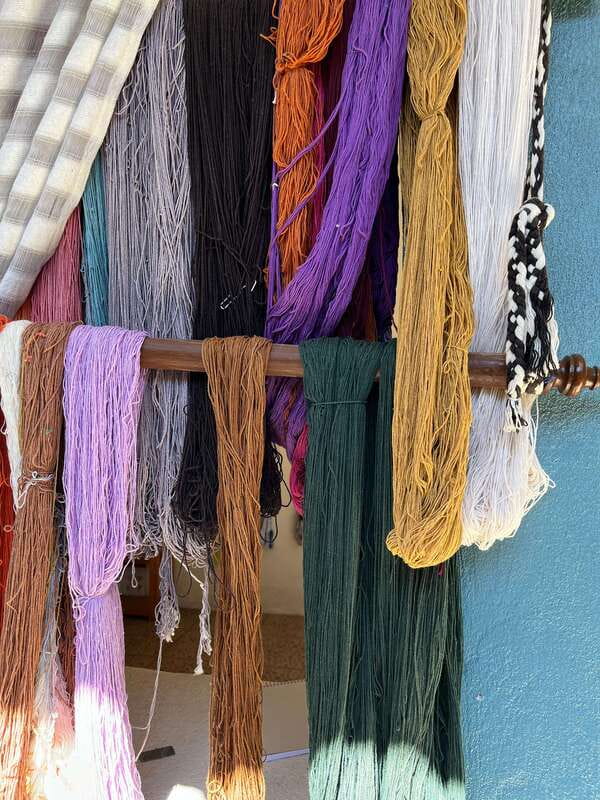
- Backstrap weaving demonstrations in Santo Tomás Jalieza, including geometric Zapotec patterns
- Black clay pottery process in San Bartolo Coyotepec, where polishing helps create the signature finish
- Markets tied to the day you go, with Villa de Zaachila on Thursdays and Ocotlán de Morelos especially lively on Fridays
- A well-paced mini-route that still leaves some time to shop without feeling pushed
A Working Crafts Route, Not a Museum Day

This is the kind of day you take when you want Oaxaca to feel practical and human. You’re moving through communities known for specific crafts, and each stop is built around a short workshop window plus time to browse.
At $46 per person for an 8-hour outing, the value comes from the full package: a certified bilingual guide and comfortable transportation, with drop-off back at your hotel or Airbnb. The only real extra costs are food and any purchases you make along the way.
The craft focus is strong. You’re not just seeing objects. You’re seeing how texture happens, how color gets applied, and how artisans translate symbols into form.
Other Oaxaca wanders around Oaxaca De Juarez worth putting side by side
- Oaxaca de Juarez: Monte Alban Half-Day Tour
★ 4.7 · 492 reviews - Oaxaca: Tule, Mitla & Hierve el Agua, & Mezcal Tour
★ 4.7 · 456 reviews - Oaxaca: Monte Alban Guided Archaeological Tour
★ 4.2 · 419 reviews - From Oaxaca: Monte Alban, Alebrijes & Black Clay Day Trip
★ 4.6 · 217 reviews - Oaxaca: Food and Markets Tour
★ 4.9 · 170 reviews
5 de Mayo 300 to San Martín Tilcajete: Get Ready for Alebrije Magic
The day begins at 5 de Mayo 300, and you meet the team tied to El Convento DMC. After a van ride of about an hour, you arrive in San Martín Tilcajete, the alebrije center people come to for a reason.
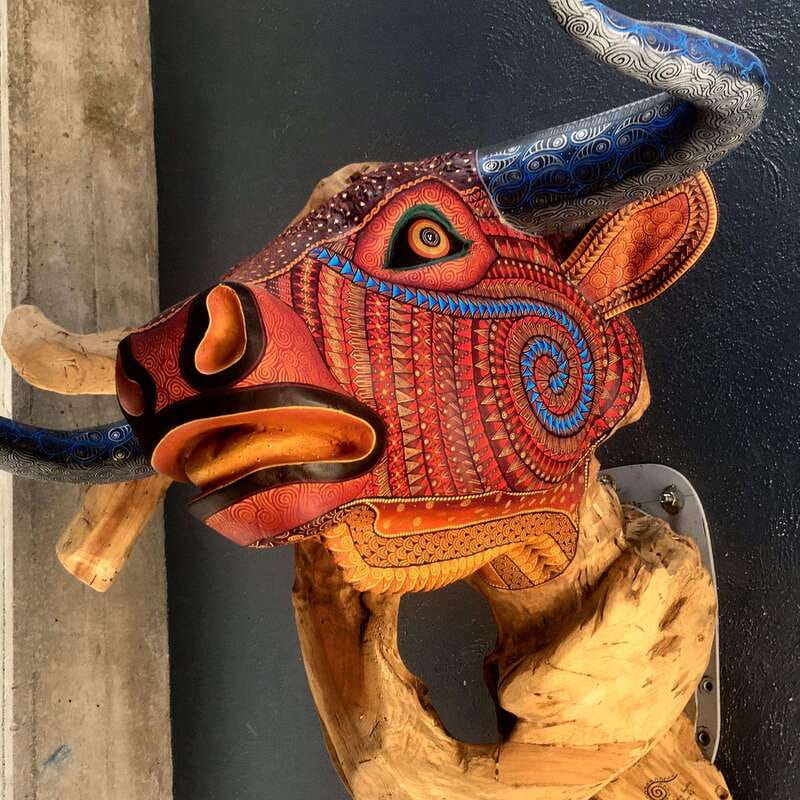
You’ll spend about an hour at the workshop focused on alebrijes. Here, artisans carve and paint figures using copal wood, and the result is more than decorative. Each piece carries symbolism and a personality, and you get to see how the carving and painting process turns raw wood into something that looks alive.
What I like about this stop is the texture lesson. Even if you never buy a figurine, you start noticing details: how the surfaces are shaped, how the lines guide the painting, and how color choices follow the design.
Practical tip: wear comfortable shoes. You’ll likely stand, move, and lean in for a closer view of carving and paint work.
Santo Tomás Jalieza: Backstrap Weaving and Zapotec Geometry
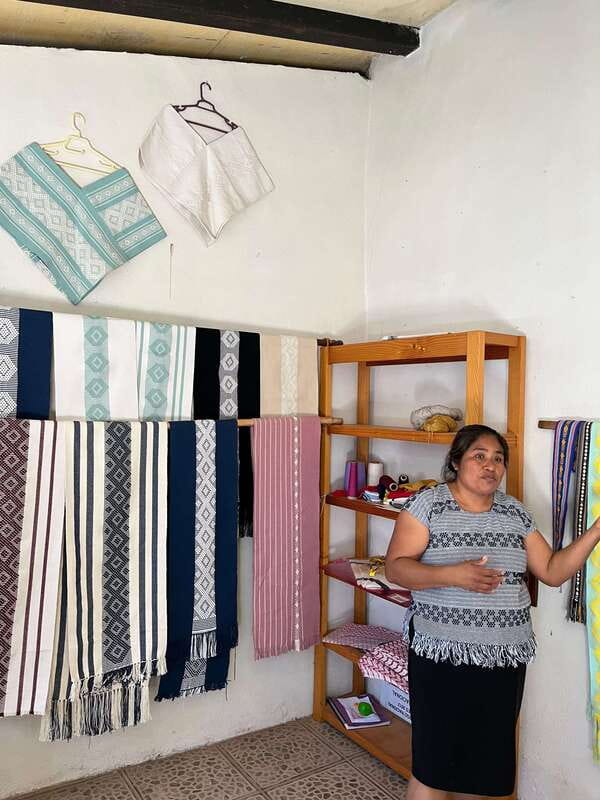
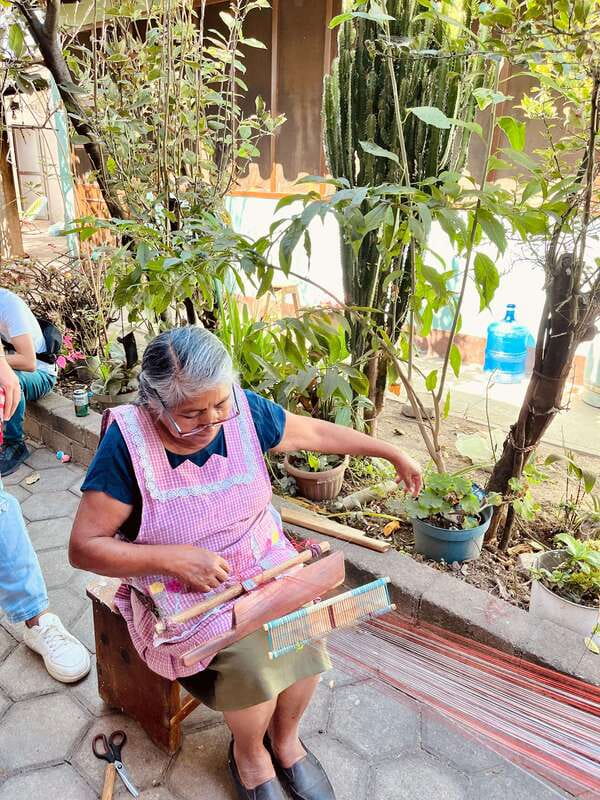
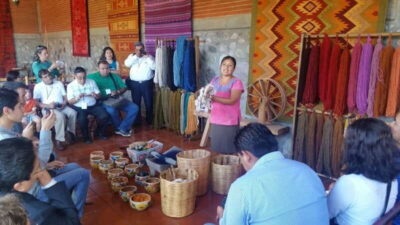
Next up is Santo Tomás Jalieza, where the craft shifts from wood to fiber. You’ll visit a backstrap weaving workshop for about an hour, and this is one of the best stops for understanding patience as a skill.
Backstrap weaving is an ancestral technique passed down through generations. In this town, artisans create textiles using traditional looms, forming intricate geometric patterns tied to Zapotec heritage.
You’ll probably notice two things quickly. First, the patterns are not random. Second, the weaving depends on steady hand work and controlled rhythm, not shortcuts. That makes it satisfying even if you’re not a craft buyer.
A common travel mistake is rushing the explanation because you’re eager to see the end product. I’d do the opposite here. Spend your first minutes watching how the weaver sets up the work, then let the process sink in before you start shopping.
Ocotlán de Morelos Market in One Hour: Where the Real Life Shows Up

After Jalieza, you head to Ocotlán de Morelos for about an hour at the market. This is one of those stops where you can sense the town’s daily rhythm, especially if you’re there on a Friday, when it’s described as especially lively.
The market experience is intentionally short, so go in with a simple game plan. Look for local crafts alongside fresh produce and handmade goods, then pivot to what you actually want to carry home, eat, or photograph.
From what’s described, you may find regional specialties, cheeses, spices, textiles, and everyday market items that don’t feel staged for visitors. That’s the core value here: you get market energy without needing a full day.
Watch-outs: in a 60-minute visit, if you wander slowly, you can run out of time before you check the stalls you care about most. I suggest choosing two goals, like textiles and one food item, then scanning the rest quickly.
Villa de Zaachila on Thursdays: Lunch Time and a Locals-Only Market Feel
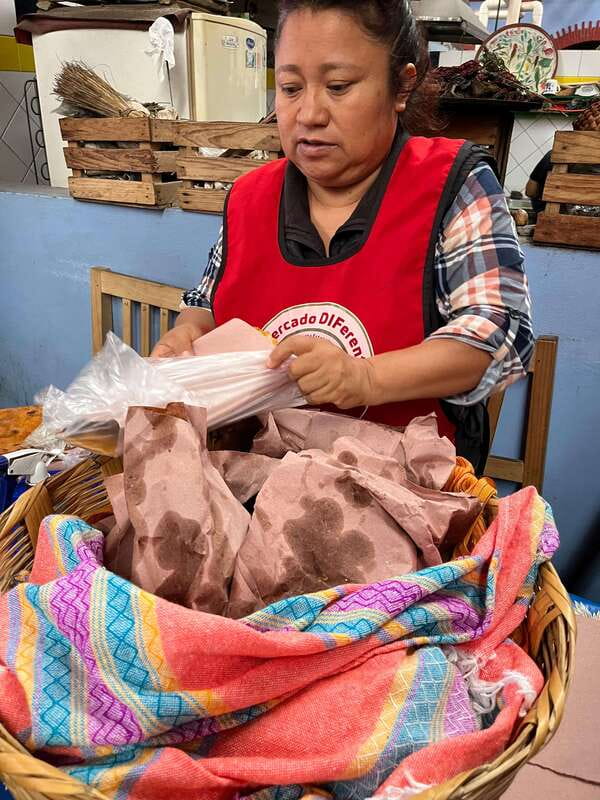
If your date lands on a Thursday, you’ll visit Villa de Zaachila. This is a different market vibe than the ones that feel built for tourists. The emphasis is on what locals come for: produce, handmade tortillas, regional cheeses, flowers, spices, textiles, and traditional dishes.
You also get a lunch window here. Even though it’s scheduled as lunch time, food and drinks are not included in the price, so treat it as an opportunity to eat locally and spend what you want.
I like how this stop balances the day. After workshops, it gives you permission to slow down, taste something, and buy small items without turning it into a shopping sprint.
Practical tip: bring cash or a payment method you trust. Markets can be a patchwork of vendors, and you don’t want to pause your lunch because a stall has a card problem.
- Check out Hierve el Agua, Mitla, the Tule Tree, Rugs, and a Mezcal Distillery Tour★ 4.9 · 222 reviews
- From Oaxaca: Hierve el Agua and Teotitlán del Valle★ 4.3 · 162 reviews
- Oaxaca: Oaxacan Mole Workshop with a Traditional Cook★ 4.7 · 158 reviews
- Oaxaca: Vegetarian Cooking Class★ 4.8 · 139 reviews
- Oaxaca: Monte Alban and the Art of Oaxaca★ 4.2 · 99 reviews
- Oaxaca: Traditional Oaxacan Cooking Class with Market Visit★ 4.9 · 80 reviews
- Oaxaca: Full Day Guided Tour on the Hierve el Agua Route★ 4.7 · 79 reviews
San Bartolo Coyotepec: The Black Clay Workshop and That Natural Shine
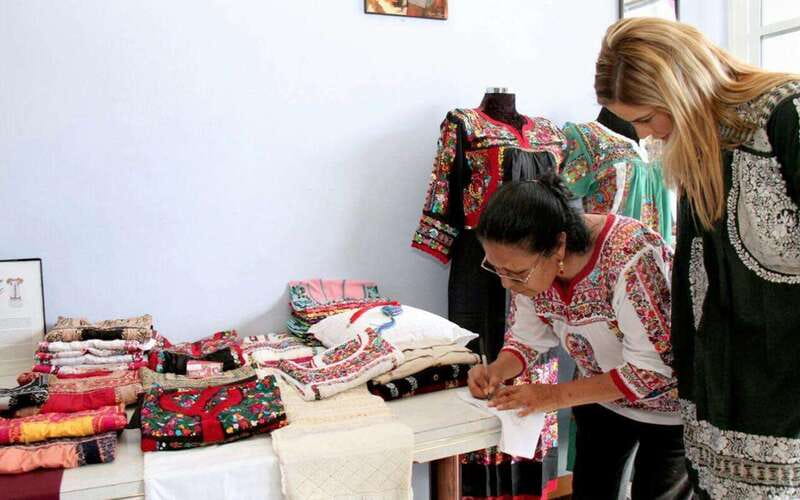
The final craft stop is San Bartolo Coyotepec, home of the famous black clay pottery. You’ll spend about an hour here, and this is the kind of workshop that rewards close attention.
Artisans shape and polish clay using ancestral techniques that create the pottery’s distinctive deep black color and natural shine. What makes this visit special is the material science happening in front of you. You learn that the look is not just paint. It’s the result of how the clay is treated and finished.
If you’ve seen other pottery styles around Mexico, you’ll recognize how different this is. The black finish feels almost graphic, and the gloss gives it a signature presence.
What to look for: watch the polishing step. That’s where the transformation becomes visible, and it’s a good reminder that craft is often in the finishing, not only in the shaping.
Pace, Comfort, and the Realities of Road Time
The day is designed to fit multiple artisan towns in about 8 hours. That means short van rides between stops and limited time inside each workshop and market.
From the reviews, the general pacing works well, with people praising the short time between stops and the enjoyment of learning in each community. Still, there’s a consistent theme worth respecting: if you’re the type who hates rushing, this route might feel too efficient.
One more practical note: some people flagged motion sickness on the van, pointing to rough, winding roads and specific driver differences. If that’s you, consider sitting toward the front, bringing water, and using your usual motion sickness precautions. And if you’re feeling off, tell the guide early.
Also, keep in mind the physical requirements listed by the experience: it is not suitable for people over 287 lbs (130 kg) or over 95 years. Wear comfortable clothes and shoes, and bring drinks.
Price and Value: What $46 Covers, and What It Doesn’t
At $46 per person, you’re paying for a structured route with a certified bilingual guide and transportation, plus hotel or Airbnb drop-off. In craft towns, that structure matters, because it gets you into workshops without navigating independently.
What’s not included is food and drinks, so you’ll budget for lunch and whatever snacks you grab at market stops. The good news is that lunch is timed into the day, so you’re not stuck searching for food at the wrong moment.
If you plan to buy crafts, this trip can become more expensive, fast. But if you buy little, it still works as a learning day because you’re paying mainly for access to artisans and guided context.
Shopping Without the Push: How to Get the Most From Workshop Stops
The workshop format is built around a demo plus time to browse and shop at the same location. The goal is learning first, buying second, and several reviews mention that the experience didn’t feel pressured.
I’d treat each workshop like a mini research visit. Ask one or two focused questions (about materials, process, or symbolism). Then look slowly for a piece you actually understand, not just one that catches your eye.
This is especially true with alebrijes and textiles, where meaning and technique often connect. The better you can explain what you’re looking at to yourself, the easier it is to decide whether a purchase is worth carrying home.
Who Should Book This Craft Route
This works best if you want a day that mixes hands-on technique with real market life. You’ll enjoy it if you like crafts, photography, and learning how traditions translate into objects.
It’s also a good fit for people who want an organized route but still want authentic moments. The visits to artisan towns plus day-specific markets are the heart of the value.
If you’re chasing a slow, museum-style itinerary with lots of free time, this may not be your pace.
Should You Book This Oaxaca Crafts Route?
Yes, with a few smart conditions.
Book it if you want a guided, efficient route through San Martín Tilcajete alebrije workshops, Santo Tomás Jalieza backstrap weaving, Ocotlán de Morelos market time, San Bartolo Coyotepec black clay pottery, and a Thursday market stop in Villa de Zaachila if your dates match.
Skip or adjust your expectations if you need lots of downtime, hate travel on winding roads, or want food fully handled for you. This tour gives you structure and access, but you bring your own lunch choices and comfort strategy.
If you’re ready for a craft-focused day with real artisan process, this one is a solid buy.
FAQ
Where do I meet the tour?
Meet at 5 de Mayo 300. You should ask for the El Convento DMC travel agency and wait for one of the collaborators to identify you.
How long is the tour, and how much does it cost?
The tour lasts 8 hours. The price is listed as $46 per person.
What’s included in the price?
The experience includes a certified bilingual guide, comfortable transportation, and drop-off at the hotel or Airbnb.
Is food included?
No. Food and drinks are not included, even though lunch time is built into the schedule on the market stop.
Which markets depend on the day of the week?
Villa de Zaachila is visited on Thursdays only. Ocotlán de Morelos is especially lively on Fridays.
What should I bring and what’s recommended before I go?
Wear comfortable shoes and comfortable clothes. Bring drinks, and it is recommended to have breakfast before the excursion.
More Oaxaca wanders from our Oaxaca De Juarez notebook
Not quite it? More Oaxaca De Juarez tours from our review pile




Oaxaca City Walks & Markets in one list.
 ★ 4.9From Oaxaca de Juarez: Hierve el Agua and Mezcal DistilleryFrom $64615 reviews
 ★ 4.7Oaxaca de Juarez: Monte Alban Half-Day TourFrom $31492 reviews
 ★ 5.0AUTHENTIC OAXACA CULTURAL FOOD TOUR, eat like a local.From $114462 reviews
 ★ 4.7Oaxaca: Tule, Mitla & Hierve el Agua, & Mezcal TourFrom $75456 reviews
 ★ 4.2Oaxaca: Monte Alban Guided Archaeological TourFrom $33419 reviews
 ★ 5.0Immersion Tour and Oaxaca Markets, All gastronomy includedFrom $59386 reviews
 ★ 4.5Flavors of Oaxaca: Cooking Class with No Set Menu and Local Market TourFrom $75333 reviews
 ★ 5.0Oaxaca Conmigo Private ToursFrom $309274 reviews
Where else it sits