
Reviewed · MONTE ALBAN & HIERVE EL AGUA
Oaxaca: Monte Alban and the Art of Oaxaca
Monte Albán turns history into real space fast.
This day trip mixes Zapotec ruins with hands-on Oaxacan crafts, so you get both the big story and the small details. I especially like how the tour gives context for what you’re seeing, and how it shows the real making process behind alebrijes and Oaxaca’s black pottery. The main drawback to plan for is the walking, plus the fact that you still pay Monte Albán’s site entrance fee separately.
You’ll start with a guided visit to Monte Albán, then head to artisan towns where you can watch carving and pottery work up close. For a price of $42, it’s a solid value if you want a first-time sampler of Oaxaca culture without spending the whole day figuring out transportation.
In This Review
- Key highlights to expect
- Monte Albán and the Zapotec capital you can walk through
- Getting the best photo moments, plus the Site Museum pause
- San Antonio Arrazola, where copal wood carving turns into alebrijes
- Cuilapam de Guerrero and the Dominican ex-monastery stop
- San Bartolo Coyotepec, black pottery made in an adobe town
- Price and value: what $42 covers, and what costs extra
- How the timing works, and why walking comfort is the real decision-maker
- What to bring so the day feels easy (not just possible)
- Guides can make or break the day, and this one has strong names
- Should you book Oaxaca: Monte Albán and the Art of Oaxaca?
- FAQ
- How long is the tour?
- What is the total cost?
- Is Monte Albán entrance fee included?
- Are food and drinks included?
- Which stops are included in the tour?
- Is the convent at Cuilapam de Guerrero always part of the visit?
- What languages is the guide available in?
- How does hotel pickup work?
- What should I bring?
- Is this tour suitable for wheelchair users?
Key highlights to expect
- Monte Albán with viewpoints and site museum time, so you’re not just snapping photos at random
- Copal wood carving at San Antonio Arrazola, taught by the people who make alebrijes
- Alebrijes as a living tradition, tied to ancestral creativity and regional identity
- Optional Cuilapam de Guerrero, including a 16th-century Dominican ex-monastery stop when open
- Black pottery at San Bartolo Coyotepec, created in a simple adobe-town setting
Monte Albán and the Zapotec capital you can walk through
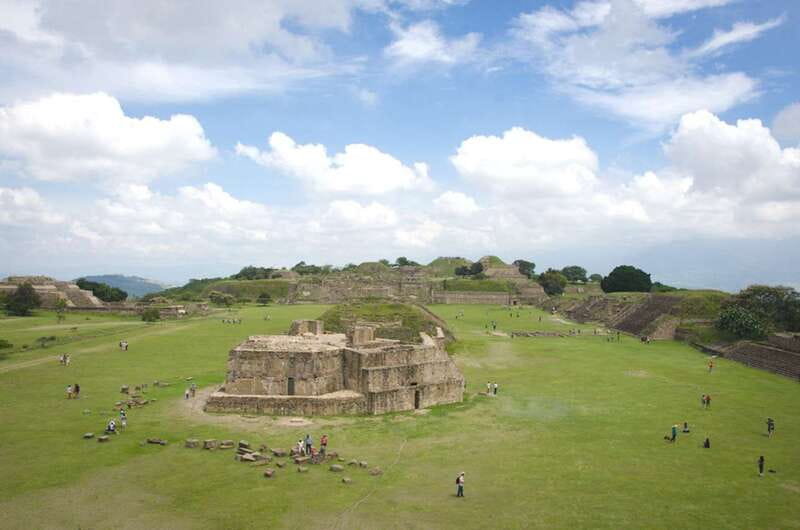
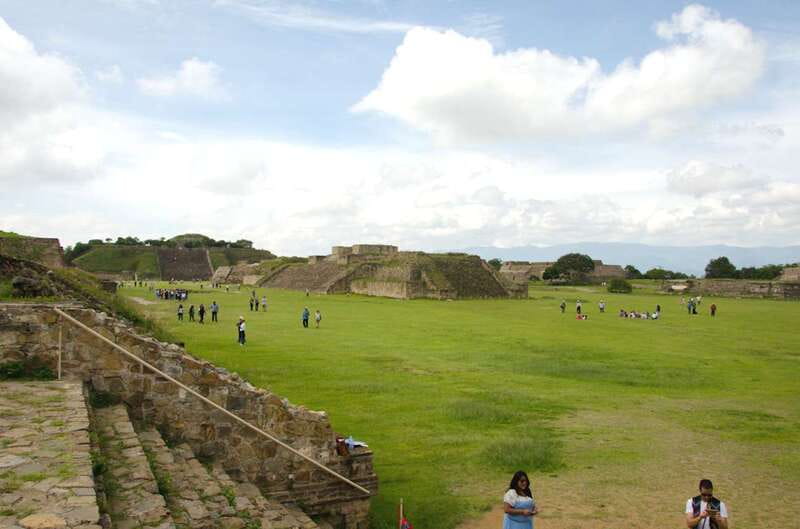
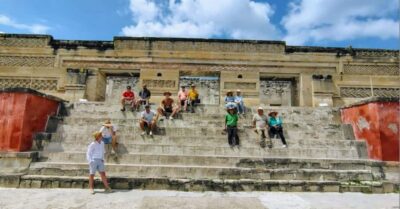
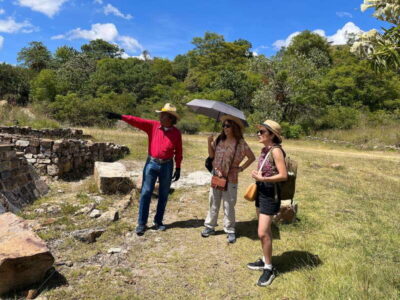
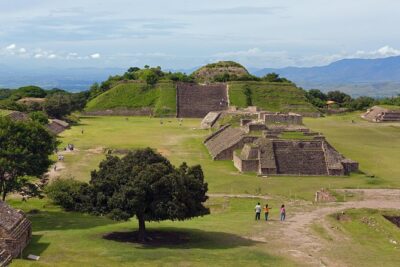
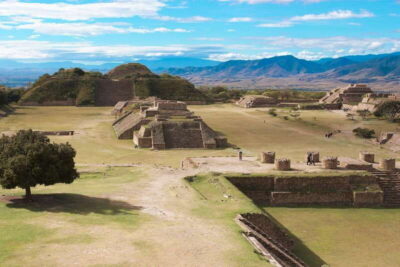
Monte Albán is the headline for a reason. This was the religious, political, and economic center of the Zapotec civilization, and the layout makes it feel like you’re walking around a map of power. Once you’re there, you’ll move through the main areas with a guide who connects the site’s layout to what it likely meant to the people who lived and ruled here.
The experience works best if you pay attention to the scale. You’re not standing in a single temple, you’re moving through a whole urban zone built for public life. That helps the ruins feel less like scattered rocks and more like a functioning city.
Other Oaxaca wanders around Oaxaca De Juarez worth putting side by side
- Oaxaca de Juarez: Monte Alban Half-Day Tour
★ 4.7 · 492 reviews - Oaxaca: Tule, Mitla & Hierve el Agua, & Mezcal Tour
★ 4.7 · 456 reviews - Oaxaca: Monte Alban Guided Archaeological Tour
★ 4.2 · 419 reviews - From Oaxaca: Monte Alban, Alebrijes & Black Clay Day Trip
★ 4.6 · 217 reviews - Oaxaca: Food and Markets Tour
★ 4.9 · 170 reviews
Getting the best photo moments, plus the Site Museum pause
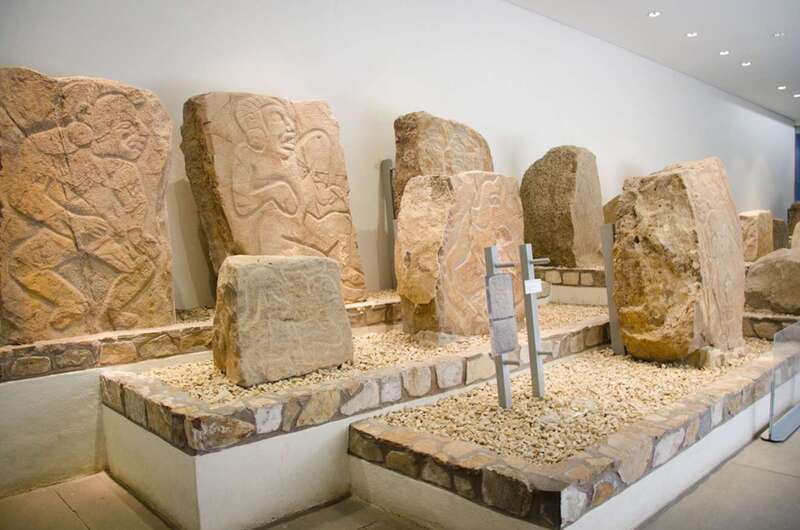
You’ll have time to explore the site square area and check out the Site Museum. That museum stop matters because it gives you a few reference points before you start looking for details in the architecture. Then the camera time at the top of the structures feels earned, because you’ll know what you’re looking at from a higher angle.
The guidance is also helpful when you’re trying to understand why Monte Albán looks the way it does. Instead of only pointing at structures, a good guide will explain how the spaces relate to each other, and why certain parts were important. In practice, that’s what turns Monte Albán from a quick visit into an “I get it now” visit.
One practical note: Monte Albán’s entrance fee is not included in the $42 price. You’ll pay $6 per person at the site, so bring cash and plan for it. Also, expect sun and uneven ground, so your comfortable shoes are not optional.
San Antonio Arrazola, where copal wood carving turns into alebrijes
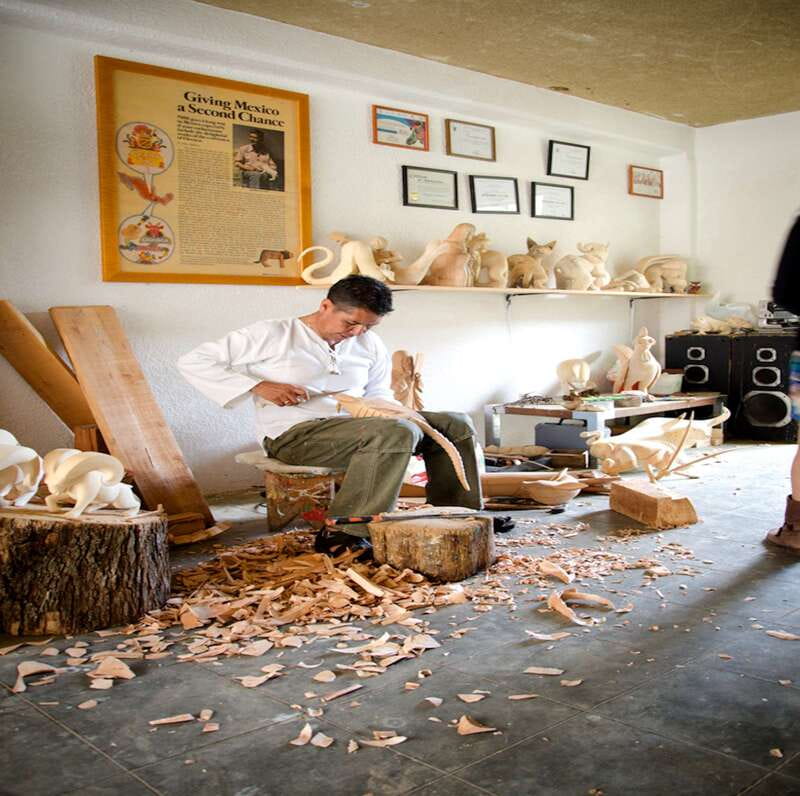
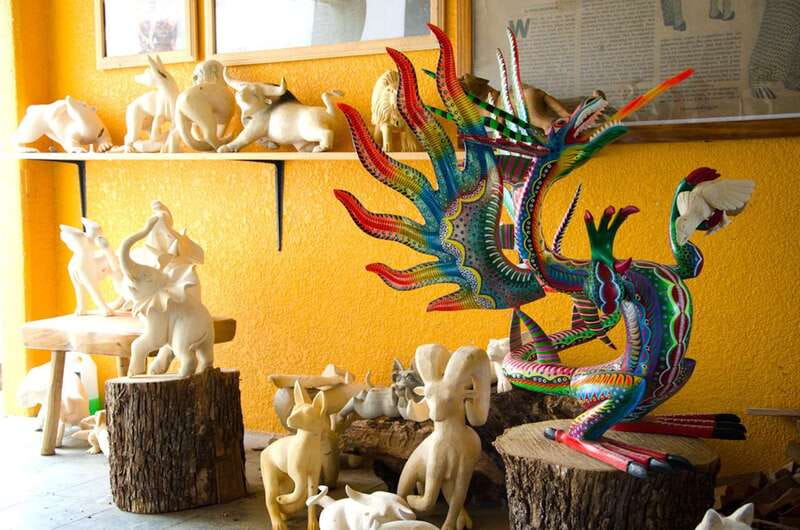
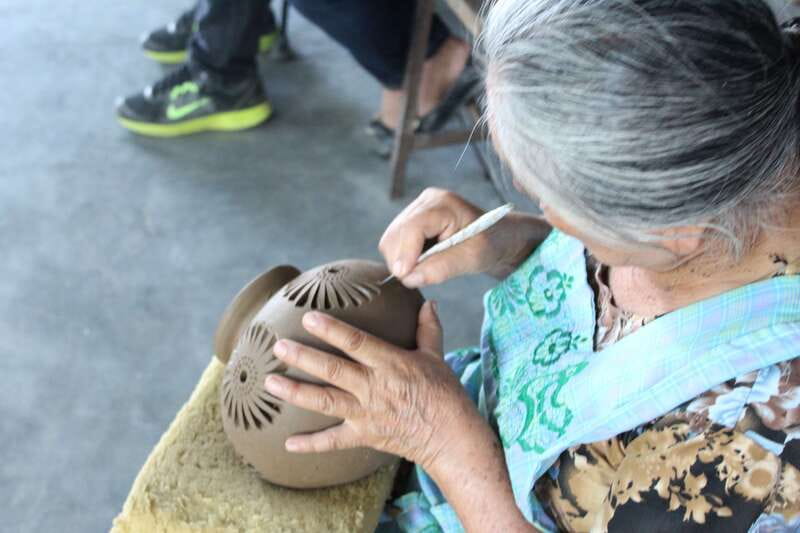
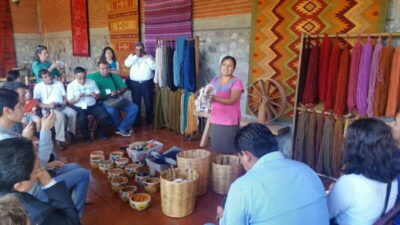
After the ruins, the tour shifts gears into color and craftsmanship at San Antonio Arrazola. This is where you’ll watch the traditional carving process of copal wood, the kind of work that looks magical only from far away. Up close, it’s all careful steps, patience, and a steady hand.
The alebrijes you’ll see and learn about are not random fantasy figures. They represent the innovative spirit of the Oaxacan soul and connect to an ancestral tradition of the Zapotecs. That connection is what makes the stop more meaningful than a shopping detour, because you’re learning how the designs fit a cultural story.
What I like about this part is the shift from stone to craft. At Monte Albán you’re reading the past in layout and architecture, and at San Antonio Arrazola you’re reading culture through technique. Even if you don’t plan to buy, you’ll likely leave with a better sense of why these pieces look the way they do.
Cuilapam de Guerrero and the Dominican ex-monastery stop
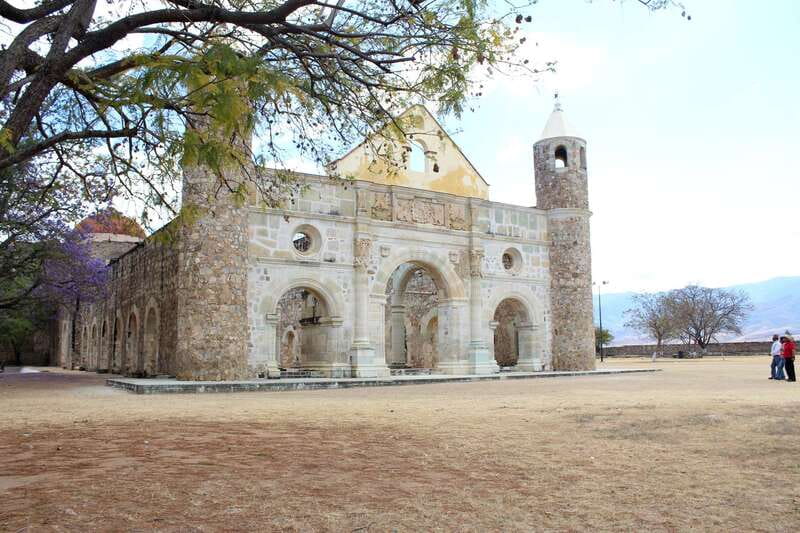
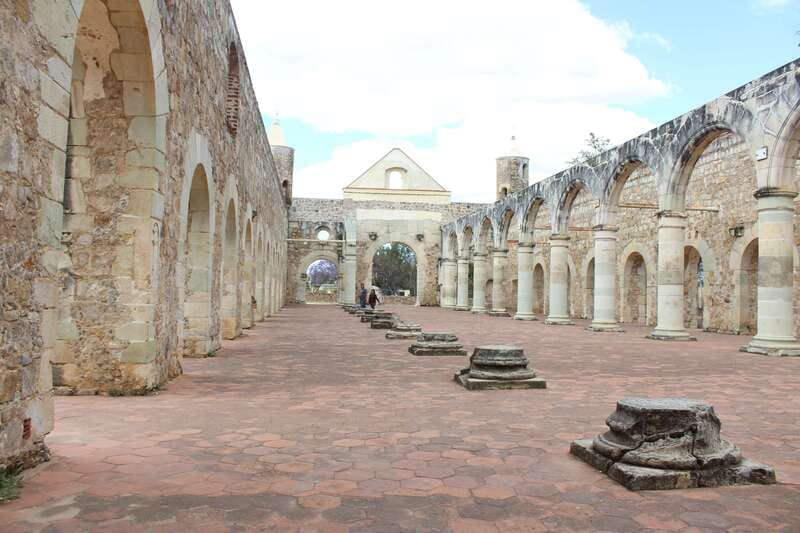
Next comes Cuilapam de Guerrero, a Mixtec town known for its 16th-century Dominican ex-monastery. This stop adds a different layer to your Oaxaca day because it reflects how religious and cultural power shifted over time. The monastery is not just another building, it’s part of the long timeline of Oaxaca after the pre-Hispanic period.
That said, this element is optional. And there’s another big consideration: the former Convent of Cuilapam may be closed due to safety restrictions on your visit. If it’s closed, you’ll still move through the day, but the monastery portion might not be available.
I suggest you mentally treat Cuilapam as a bonus rather than a guarantee. That mindset keeps the day smooth even if you have to adjust on the spot.
San Bartolo Coyotepec, black pottery made in an adobe town
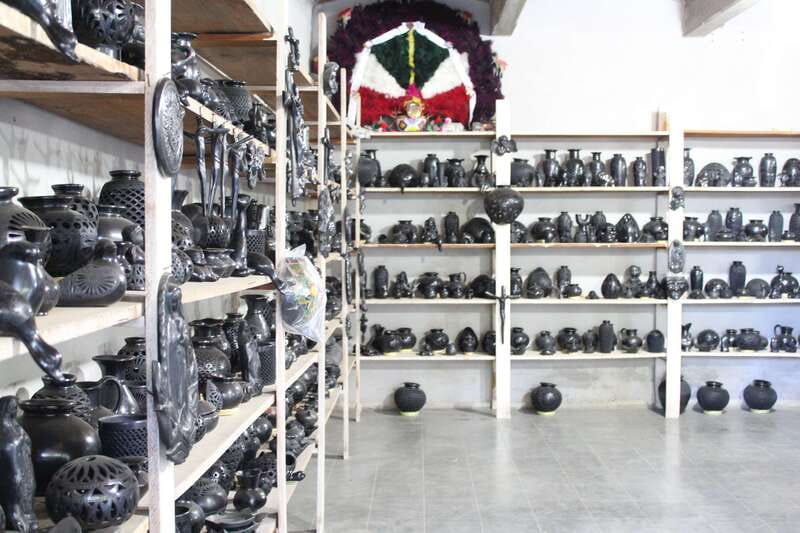
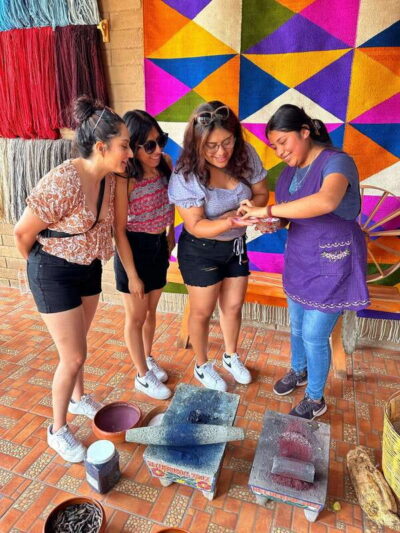
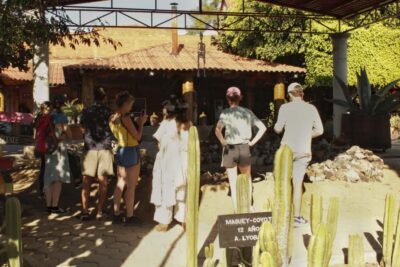
San Bartolo Coyotepec is one of those places where the setting helps you understand the craft. This is a small town of adobe houses, and that simple backdrop makes the black clay work feel grounded, not staged. You’ll witness the process of making the beautiful black pottery, and watching it happen changes how you see every finished piece later.
Black pottery is visually striking, but the real story is the process. You’ll see how the craft moves from clay to shape, and the steps you observe give you a better respect for why these objects carry so much identity. The technique also connects you to a wider regional tradition, not just a single workshop.
If you’re the type who likes learning how things are made, this stop is a strong fit. It’s practical, sensory, and it gives you something to focus on besides photos and ruins.
More Oaxaca valley trips across Oaxaca De Juarez, same treatment
- Oaxaca de Juarez: Monte Alban Half-Day Tour★ 4.7 · 492 reviews
- Oaxaca: Monte Alban Guided Archaeological Tour★ 4.2 · 419 reviews
- From Oaxaca: Monte Alban, Alebrijes & Black Clay Day Trip★ 4.6 · 217 reviews
- From Oaxaca: Hierve el Agua and Teotitlán del Valle★ 4.3 · 162 reviews
- Oaxaca: Monte Alban and the Art of Oaxaca★ 4.2 · 99 reviews
- Oaxaca: Full Day Guided Tour on the Hierve el Agua Route★ 4.7 · 79 reviews
Price and value: what $42 covers, and what costs extra
At $42 per person for a 7-hour day trip, the value is mainly in transportation plus guided access across multiple stops. You get hotel pickup and drop-off (when available), a live guide in English and Spanish, and visits to San Antonio Arrazola, Cuilapam de Guerrero, and San Bartolo Coyotepec.
Two costs to plan for: Monte Albán’s entrance fee ($6 per person) and your own food and drinks. The tour does not include meals, so you’ll want money ready for lunch. That matters because many craft stops tend to cluster around places where you’ll want a snack or a drink between walking segments.
Also, for crafts, you should assume you’ll see items you’ll want to take home. The tour can feel like it gives you access to the makers, and that often leads to browsing. If you come with a clear spending limit, you’ll enjoy the experience more.
How the timing works, and why walking comfort is the real decision-maker
This day trip is 7 hours, and it includes a considerable amount of walking. That’s the biggest “real world” factor in whether you’ll enjoy it. If your feet get tired fast, bring it up early, and choose shoes with real grip. The tour is not suitable for wheelchair users, so the pace and terrain are not built around mobility needs.
Pickup is included, but it can work differently depending on the season. During low season, pickup and drop-off are available from hotels. During high season, you’ll meet at a set downtown meeting point in Oaxaca city.
On pickup day, you’ll wait in the hotel lobby 15 minutes before your scheduled pickup time. The driver, wearing a blue shirt with a Paraiso Huatulco logo, will call your name. They will wait no longer than 5 minutes after the scheduled pickup time, so don’t assume they’ll circle back.
A simple strategy: plan to be ready early, then treat the rest of the day as a sequence of focused time windows. Monte Albán plus the artisan stops are the heart of the experience, so you’ll want to be energized for them, not weighed down by heavy bags.
What to bring so the day feels easy (not just possible)
The tour list is straightforward for a reason. Bring comfortable shoes, sunglasses, a sun hat, and water. Sunscreen is worth it in Oaxaca heat, so use biodegradable sunscreen, and wear comfortable clothes that handle sun and brief stretches.
Also bring cash. You’ll need it for Monte Albán’s entrance fee and likely for crafts and snacks. Oversize luggage is not allowed, so pack light and keep your day mobile.
A small tip that helps: bring a camera plan. At Monte Albán, the top viewpoints are the money shots, but they’ll be competing with bright sun. Give your eyes a minute to adjust before you take photos, and you’ll get cleaner shots.
Guides can make or break the day, and this one has strong names
The guide quality is a real strength of this experience. People have praised guides like Eloy, Antonio, and Ivan for clear storytelling and cultural context. In particular, Ivan is noted for switching smoothly between Spanish and English, which matters when you’re trying to follow explanations while walking.
If you care about understanding more than just seeing, this is where the tour pays off. A history-focused guide will make Monte Albán feel connected to Oaxaca’s later cultural layers. And an artisan-focused stop works best when the guide can translate the meaning behind the work, not just the steps.
Should you book Oaxaca: Monte Albán and the Art of Oaxaca?

I think you should book if you want a well-paced, guided day that connects major ruins with Oaxaca’s living crafts. It’s a smart choice for first-timers who don’t want to rent transport or build an itinerary from scratch.
Skip it if you need a low-walking day or you rely on wheelchair access. Also, if you’re only interested in one type of experience, ruins only or crafts only, you might feel the day is packed. In that case, consider splitting your interests into separate half-days.
If you book, go in with one mindset: this is a culture sampler. Bring comfy shoes, cash for the entrance fee and meals, and let the craft stops change how you see the finished souvenirs back home. You’ll get the most out of it when you treat it as learning, not just collecting.
FAQ
How long is the tour?
The tour duration is 7 hours.
What is the total cost?
The price is $42 per person.
Is Monte Albán entrance fee included?
No. Monte Albán entrance fee is not included, and it costs $6 per person.
Are food and drinks included?
No. Food and drinks are not included.
Which stops are included in the tour?
The tour includes visits to San Antonio Arrazola, Cuilapam de Guerrero, and San Bartolo Coyotepec, plus Monte Albán.
Is the convent at Cuilapam de Guerrero always part of the visit?
It is an optional stop, and the former convent may be closed on your visit due to safety restrictions.
What languages is the guide available in?
The live tour guide offers Spanish and English.
How does hotel pickup work?
Hotel pickup and drop-off are included when available. You should wait in the hotel lobby 15 minutes before the scheduled pickup time, and the driver will call your name. The driver will wait no longer than 5 minutes after the scheduled pickup time.
What should I bring?
Bring comfortable shoes, sunglasses, a sun hat, water, biodegradable sunscreen, comfortable clothes, and cash.
Is this tour suitable for wheelchair users?
No. It is not suitable for wheelchair users.
More Oaxaca valley trips that made the Oaxaca De Juarez cut
More Oaxaca wanders from our Oaxaca De Juarez notebook
Not quite it? More Oaxaca De Juarez tours from our review pile


Monte Alban & Hierve el Agua in one list.
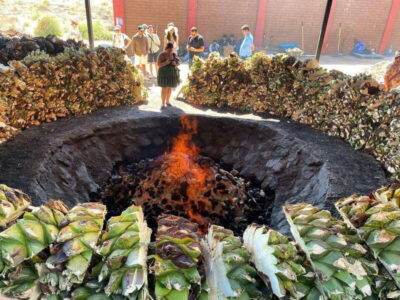
 ★ 4.5Hierve el Agua, Tule Tree, Mitla and Mezcal Distillery TourFrom $551,094 reviews
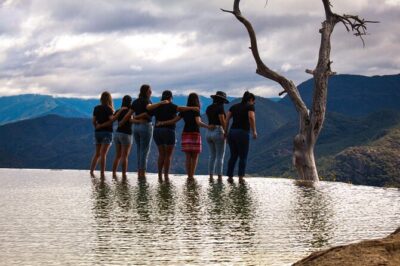 ★ 5.0Explore Hierve el Agua, Mitla, Tule, Textile and Mezcal for a dayFrom $751,043 reviews
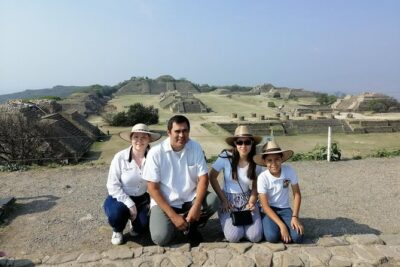 ★ 5.0Monte Alban Guided Half Day TourFrom $32880 reviews
 ★ 4.9From Oaxaca de Juarez: Hierve el Agua and Mezcal DistilleryFrom $64615 reviews
 ★ 4.7Oaxaca de Juarez: Monte Alban Half-Day TourFrom $31492 reviews
 ★ 4.7Oaxaca: Tule, Mitla & Hierve el Agua, & Mezcal TourFrom $75456 reviews
 ★ 4.5Half day tour to Monte AlbánFrom $32420 reviews
 ★ 4.2Oaxaca: Monte Alban Guided Archaeological TourFrom $33419 reviews
Where else it sits