
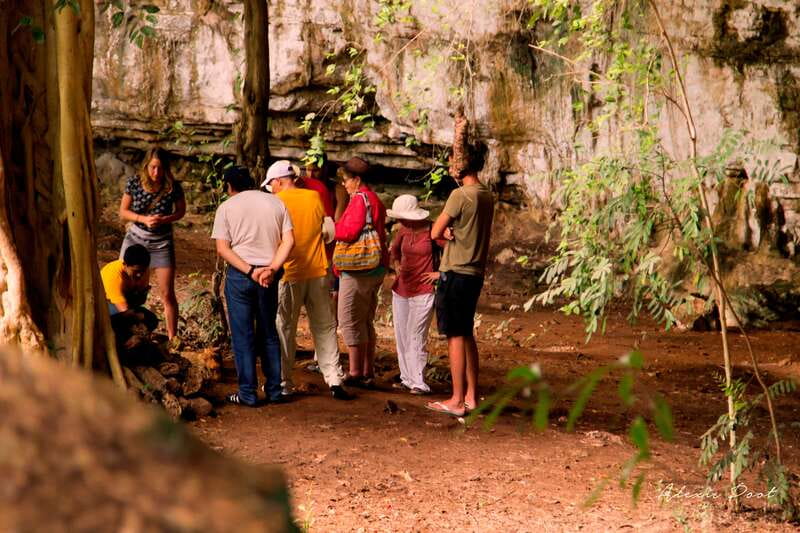
Reviewed · VALLADOLID & EK BALAM
Xkopek, Mayan Bees Tour and Honey Tasting in Valladolid
You get bees where they actually live, then you taste what they make. I like that this tour starts outdoors in Valladolid and keeps moving, with clear stops for plants, hives, and sampling. The big win for me is the dry cenote segment, where you can watch bee activity in a natural setting without the typical zoo feel.
What I also love is the hands-on approach. You’ll learn the process inside the Meliponario, and you even get to open a beehive to see the architecture up close, then wrap it up with multiple honey and hive-product tastings. A small drawback to consider is that this is a walking tour with stairs and stony areas, so it is not the easiest option if you have mobility limits or young kids.
For me, it still feels like excellent value because the group is small, the guide is bilingual, and you get real access to both the setting and the products. The tour is listed as not suitable for children under 5, and the trails do involve some uneven ground.
In This Review
- Key highlights you will remember
- Walking in Valladolid’s bee park, then dropping into a dry cenote
- Why the dry cenote stop is special
- Stairs, stony paths, and what to wear so you enjoy it
- The jungle plant walk: learning the ingredients behind honey
- Entering the Meliponario: how the hive works (and what it looks like)
- Your guide matters, and this tour leans on good explanations
- Honey tasting and hive products: the sweet payoff
- The small store stop: souvenirs that fit the theme
- Price, duration, and value in a small group
- Who should book this Mayan Bees Tour in Valladolid
- Should you book the Xkopek Mayan Bees Tour and Honey Tasting?
- FAQ
- Where does the Xkopek Mayan Bees Tour start in Valladolid?
- How long is the tour?
- How much does it cost?
- What languages is the tour guide?
- How big is the group?
- What is included in the ticket price?
- What is not included?
- Is the tour suitable for children?
- What should I wear or bring?
- Is there any cancellation flexibility?
Key highlights you will remember
- Dry cenote bee viewing in a natural, wild state
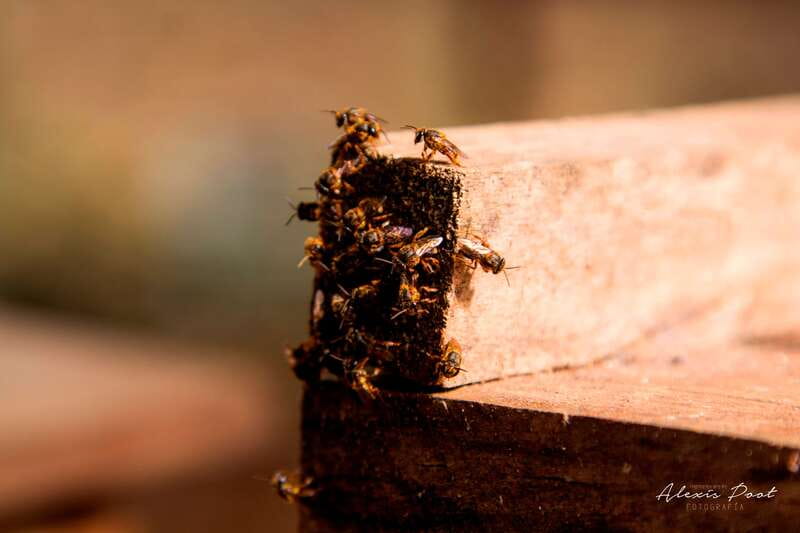
- No-sting bee species (you will not be worried about stings)
- Jungle plant walk focused on honey production plants
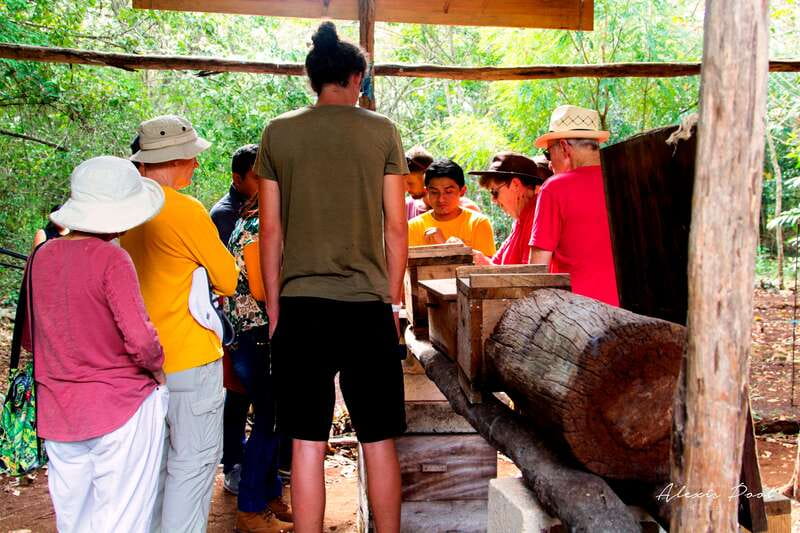
- Meliponario hive learning plus the chance to open a hive
- Honey and hive-product tasting with a sweet finish
Walking in Valladolid’s bee park, then dropping into a dry cenote
Most Valladolid sights are about temples, streets, or cenotes you float through. This experience goes another way, starting at Xkopek Parque Apícola, where you begin with a short walking component before you go down into the cenote area. The pacing matters here. You are not thrown into the deep end. You get oriented first, then you head to a specific setting built for bees and learning.
The meeting point is straightforward, and it helps if you plan a simple arrival. The address is Calle 57 x 38, Colonia San Juan, by the Sindicato de Taxistas Los Frailes, near Villas del Sol. If you are using taxi, just show the address in Google Maps. It is also a good neighborhood for meeting up safely and without lots of maze-like turns.
From there, the first real wow moment is the descent. You walk down stairways to a dry cenote, and along the way you will notice local plants. The tour uses the plants as a live lesson, not just scenery. You learn what they are and how they connect to honey production. It is a nice way to understand the ecosystem instead of treating bees like a separate world.
More Valladolid stops from our Valladolid Mexico shortlist
- From Valladolid: Tour to Chichen Itza & 2 Cenotes
★ 4.9 · 92 reviews - FROM VALLADOLID RIO LAGARTOS + LAS COLORADAS + CENOTE (COLECTIVO TOURISTIC)
★ 4.7 · 37 reviews
Why the dry cenote stop is special
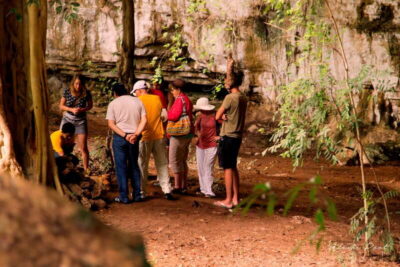
A dry cenote is not the classic, open-water postcard. In this setting, you get a strong sense of place, like you are seeing how the area shapes bee behavior. The tour focuses on local bee varieties in their wild state, and it matters that the experience is clear about safety. These bees do not have stings, so you can watch without that tense, swatting-around feeling.
Also, a dry cenote has the kind of acoustics and stillness that makes a guide’s explanation land better. When someone points out what you should notice, you actually can see and track it. That is why this part tends to stick in people’s minds.
Stairs, stony paths, and what to wear so you enjoy it
This is a 90-minute tour, but it is not a sit-down class. The trails include stairs and stony areas, so you need to dress for walking. Wear comfortable clothes you can move in, and bring closed shoes. Even if you are in good shape, you will feel the difference between soft paths and the more rocky sections.
There is also a practical rule around bug protection. Only organic repellent is allowed. That is worth respecting so you do not waste time arguing at the start of the tour. If you are sensitive to mosquitoes, plan ahead and pack the kind of repellent that fits this requirement.
And yes, there is a clear limit for younger kids. It is listed as not suitable for children under 5. If you are traveling with little ones, this tour will likely feel like too much walking for them and too much uneven ground for comfort.
The jungle plant walk: learning the ingredients behind honey
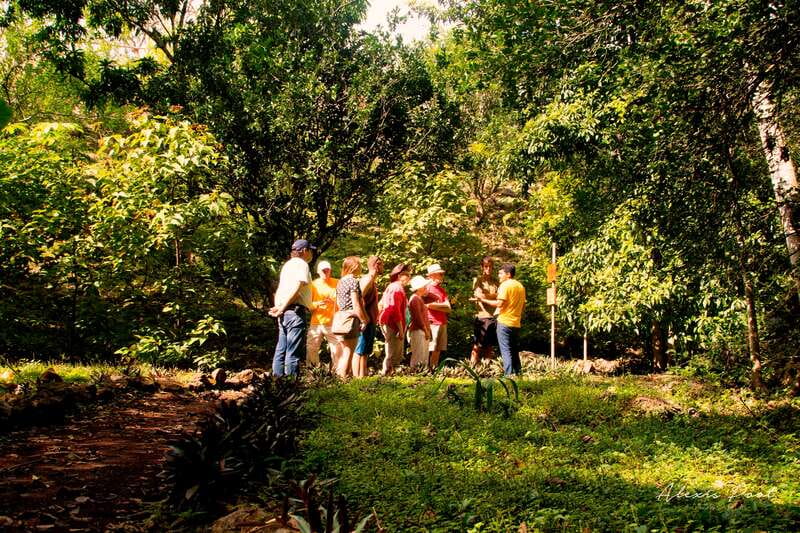
After you come out of the cenote area, you move along a path through the jungle section. This is one of those parts that can sound simple on paper, but it is actually valuable. The guide helps you identify the main plants used for honey production, and that shifts your thinking from honey as a product to honey as a chain of ingredients.
Here’s the practical benefit for you: when you later taste honey, you will have a better sense of why flavors might differ. Even when you are not told a specific scientific breakdown, learning which plants matter helps you connect the tasting to the environment you just walked through.
This section also keeps the pace moving. You get short explanations, then you walk. If you tend to get impatient with tours that stall, you will probably appreciate the rhythm here.
Entering the Meliponario: how the hive works (and what it looks like)
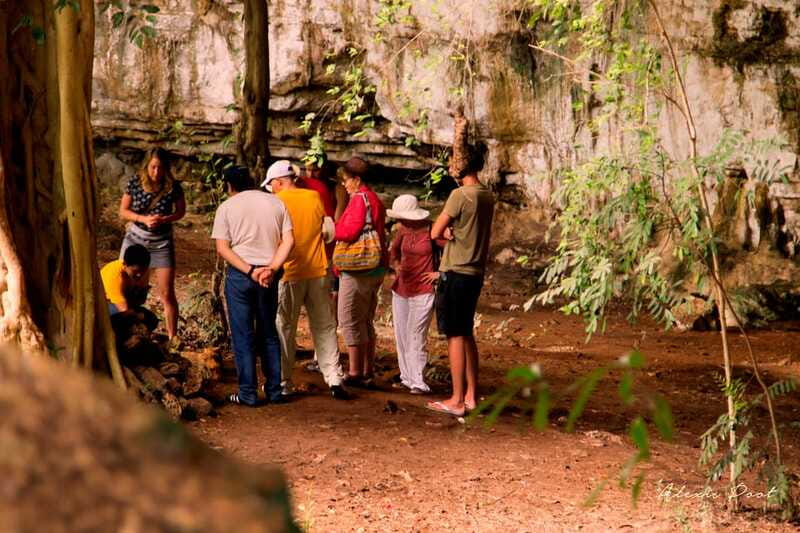
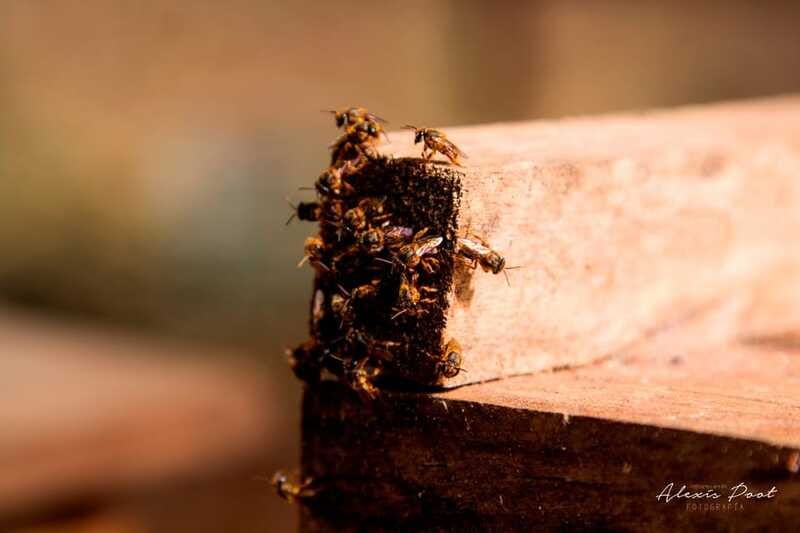
The heart of the experience is the Meliponario, where the tour explains the honey process and other hive products. You are not just hearing a general story. You learn about the comena and the products of the hive, including their renowned health properties. The key word here is “process.” It is about understanding steps, not only collecting facts.
The most hands-on moment is when you can open a beehive. You are meant to observe the architecture of the bees up close. That is a big deal, because a lot of bee experiences either show you hives from far away or focus only on observation. Here, the guide helps you see what is happening inside the hive space.
If you want to know what makes this stand out, it is the way the tour blends three things:
1) learning the system (how it works)
2) seeing it directly (the hive structure)
3) connecting it to the end reward (tasting)
People who love nature tours tend to come away impressed by how much time is spent on understanding, not just looking.
Your guide matters, and this tour leans on good explanations
The guides are bilingual (Spanish and English), and multiple people highlight that the guidance is informative without dragging. One name that shows up is Eduardo, described as very knowledgeable and full of interesting details. If you get him as your guide, you are likely in for clear, organized explanations that fit the pace of the group.
Even when you are not focused on bees before you arrive, a good guide turns the tour from entertainment into understanding. That is what you should look for here.
Honey tasting and hive products: the sweet payoff
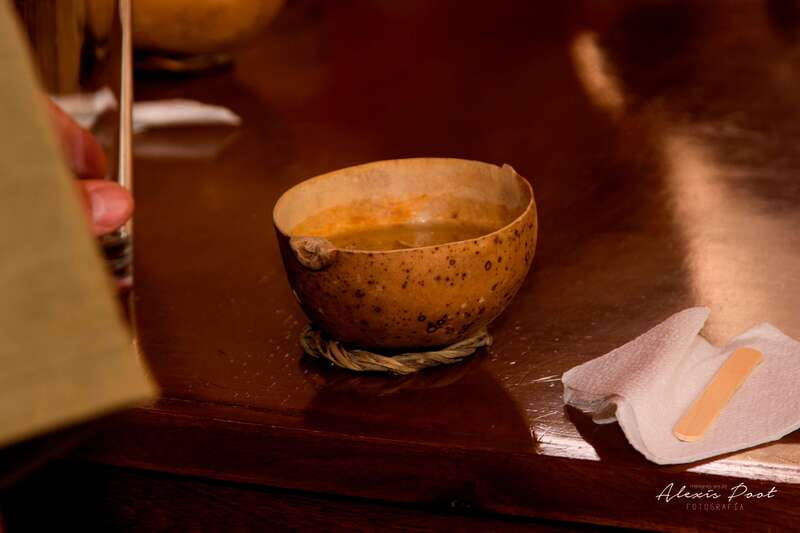
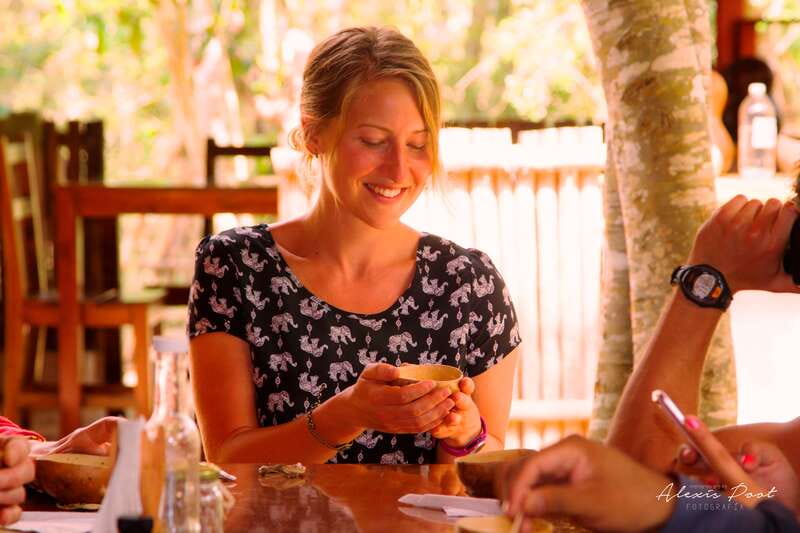
After the hive learning, you do the part most people came for: tasting. The tour includes a tasting of honey and other products of the hive. You will also get to drink a delicious drink sweetened with honey.
That tasting stretch is not just one small sample either. You should expect to taste multiple honey options and additional hive products. From what people described, it can feel like a real finale, where everything you learned earlier starts to make sense in your mouth.
Here is how to get the most out of it: go in paying attention to smell and texture, not only sweetness. Honey can differ in aroma and how it feels when it coats your tongue. If your guide points out what to notice, take it seriously, because that is where the earlier plant walk connects to the final reward.
The small store stop: souvenirs that fit the theme
At the end, you visit a small store with honey and souvenirs. This is a practical bonus. You can buy something to bring home without guessing whether it will match what you learned. It also makes the tour feel complete. You can take your souvenir photo and then head out with a tangible memory.
It is also nice if you are picking up a small gift for someone who likes local food. This gives you a theme that ties back to the tour setting, instead of a random trinket.
Price, duration, and value in a small group
At $18 per person for about 90 minutes, this tour is priced like an activity you can fit into a day without thinking too hard. The value comes from what you get in that time:
- a natural-setting bee visit
- guided explanations in Spanish and English
- hive access in the Meliponario, including opening a hive
- honey and hive-product tastings plus a honey-sweetened drink
- fresh water and a gift included
Group size is capped at 10 participants, which is usually the sweet spot for a hands-on nature experience. Smaller groups mean the guide can keep the explanations clear and help you see what you need to see. If you are the type who gets lost in big groups, this format helps.
Also, it is worth noting what is not included: transportation, food, and lodging. So plan your timing accordingly. If you are hungry after the tour, you might want to grab food nearby rather than counting on this to cover meals.
Who should book this Mayan Bees Tour in Valladolid
I think this tour fits best if you want something more than a photo stop. You enjoy nature, you like learning how local environments affect food, and you do not mind a bit of walking. The dry cenote and the no-sting bees make it approachable, but the stairs and stony paths mean you should wear shoes and keep your pace steady.
It is also a solid pick if you want a guided experience without feeling trapped in a classroom. The route moves, the setting changes, and the finale tasting keeps you engaged.
If you are traveling with kids, re-check the age limit. It is not suitable for children under 5, and the terrain can be tough for small legs. If you are an adult who wants an easygoing but meaningful outdoor lesson, this is a strong match.
Should you book the Xkopek Mayan Bees Tour and Honey Tasting?
Book it if you want bees in a natural setting, hands-on time with hives at the Meliponario, and a tasting that ties back to what you learned about local plants. The price is reasonable for what is included, and the small group size helps the guide keep things clear.
Skip it if you cannot handle uneven ground, stairs, and stony trails, or if you need a very kid-friendly outing for under-5 age. Also plan to bring closed shoes and the right kind of repellent.
If you like practical, real-world nature experiences, this one is worth your time in Valladolid. You leave with more than souvenirs. You leave with a better sense of how the hive fits into the landscape, and you get to taste the result.
FAQ
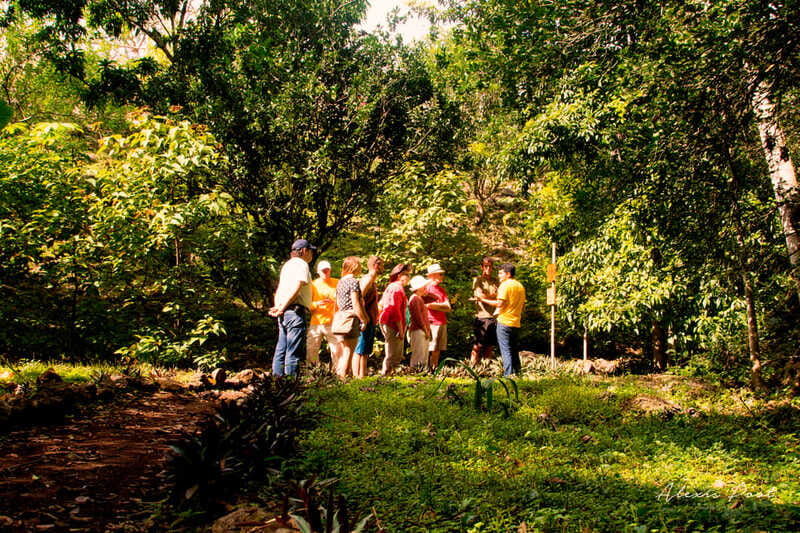
Where does the Xkopek Mayan Bees Tour start in Valladolid?
The meeting point is Xkopek Parque Apícola, Calle 57 x 38, Colonia San Juan, by the Sindicato de Taxistas Los Frailes (near Villas del Sol). You can reach it by taxi or use Google Maps if you drive.
How long is the tour?
The experience runs for 90 minutes.
How much does it cost?
The price is $18 per person.
What languages is the tour guide?
The live tour guide speaks Spanish and English.
How big is the group?
The tour is a small group limited to 10 participants.
What is included in the ticket price?
Included items are admission, a bilingual guide, honey and other hive products tasting, fresh water, and a gift.
What is not included?
Transportation, food, and lodging are not included.
Is the tour suitable for children?
It is not suitable for children under 5 years old.
What should I wear or bring?
Wear comfortable clothes and closed shoes for walking. The trails include stairs and stony areas. Bring only organic repellent, since only that type is allowed.
Is there any cancellation flexibility?
The tour offers free cancellation up to 24 hours in advance for a full refund, and you can reserve and pay later to keep plans flexible.
Keep comparing guided outings across Valladolid Mexico
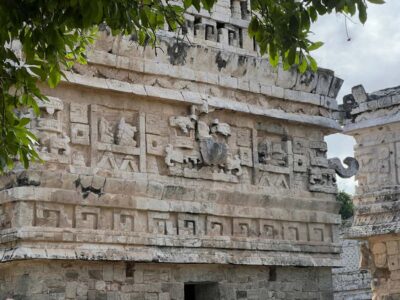
The rest of our Valladolid stops in Valladolid Mexico
Not quite it? More Valladolid Mexico tours from our review pile
Valladolid & Ek Balam in one list.
 ★ 5.0Chichen Itza, Cenote, and Valladolid TourFrom $4524,293 reviews
 ★ 4.5Chichen Itza, Cenote & Valladolid Tour with Tequila and LunchFrom $3415,789 reviews
 ★ 4.6Cancun: Chichen Itza, Cenote & Valladolid Tour with LunchFrom $496,722 reviews
 ★ 5.0Chichen Itza Gastronomic, Valladolid and Cenote ExtremoFrom $292,558 reviews
 ★ 5.0Chichen Itza, Cenote and Valladolid Small Group Day TripFrom $2142,104 reviews
 ★ 4.0Chichen Itza Day Trip Exclusive Nool-Ha Cenote & Valladolid VisitFrom $1101,501 reviews
 ★ 5.0Chichén Itzá, Cenote and Valladolid with Lunch and transportationFrom $33999 reviews
 ★ 4.6Chichen Itza: Guided Tour with Valladolid & Cenote ChichikanFrom $58911 reviews
Where else it sits