
Reviewed · WHALE WATCHING
Whale Watching Experience
Humpbacks sound like a lullaby out here. I love how the speedboat gets you searching fast, and how hydrophones turn the ocean into an audio show with expert guidance. The one thing to plan for is the boat has no toilets and little to no shade.
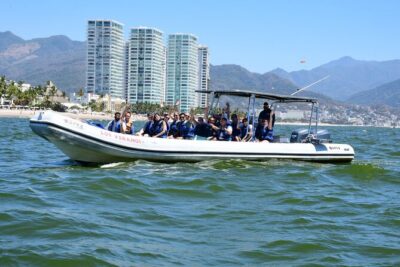
This is built around winter humpback migration in Banderas Bay, with sightings coming from the water and expert explanations during the ride. The tour runs about 3 hours (most people book it well ahead), and it’s limited to a small group size, with English offered.
Price starts at $89 per person, and you should budget extra local charges. You’ll also want cash for the Puerto Vallarta port admission fee and for a conservation fee collected at check-in.
In This Review
- Key highlights that make this whale trip worth it
- Why humpbacks in Banderas Bay feel different in winter
- The speedboat experience: what the ride and timing are really like
- Hydrophones plus a guide: how to actually enjoy the sound
- Before you see whales: the migration context that sets expectations
- Spotting from the water: what you might see once you’re out there
- What is included, and what you should budget for in real money
- Comfort tips: cold wind, sunscreen, and the bathroom rule
- Smart rules on board, including the no-drone detail
- Who this tour is best for, and who should think twice
- How much value you get for $89
- Should you book this Puerto Vallarta whale watching tour?
Key highlights that make this whale trip worth it
- Speedboat-style searching helps you get on top of the action sooner
- Hydrophones give you a chance to hear whale communication underwater
- Expert marine mammal guides help you understand dive timing and behaviors
- Small group size keeps positioning more practical out on the bay
- No onboard toilets or shade means you plan ahead and dress right
- Extra local fees apply, including a port fee and a conservation fee
Why humpbacks in Banderas Bay feel different in winter
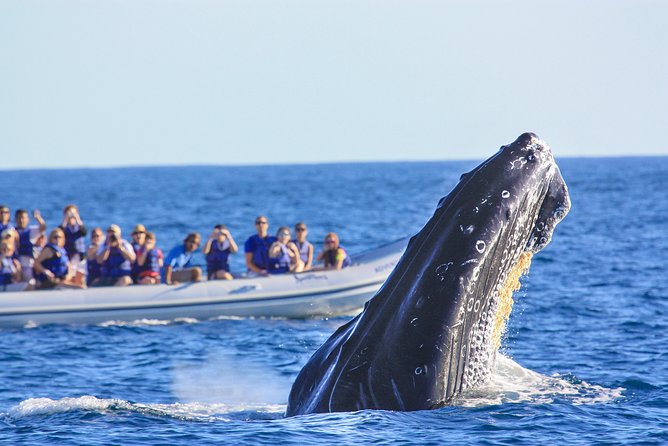
Puerto Vallarta’s humpback season hits in winter, and the whole trip makes more sense once you know the story. These whales migrate from far north feeding grounds down toward warmer, sheltered areas to breed and raise calves. Banderas Bay is the kind of protected coastline where you can see whales spend time close enough for real viewing, not just distant sightings.
What I like about this tour setup is that it focuses your expectations on behavior, not just luck. Guides such as Chai, Enrique, Daniel, and others are known for explaining what you’re seeing and why it matters, including how long whales stay down and what different surface behaviors can mean. That turns whale watching from a simple scan of the horizon into something you can actually track.
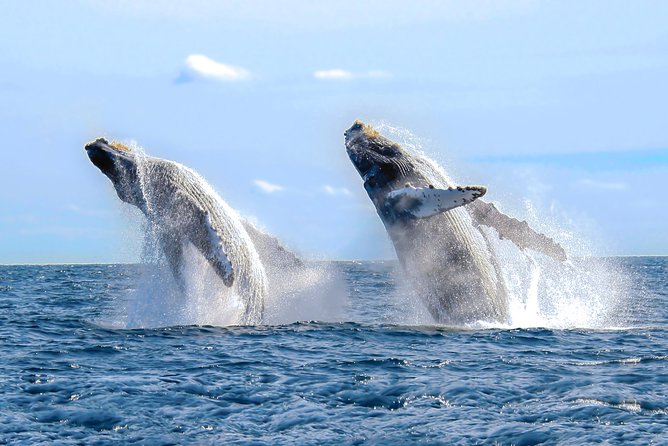
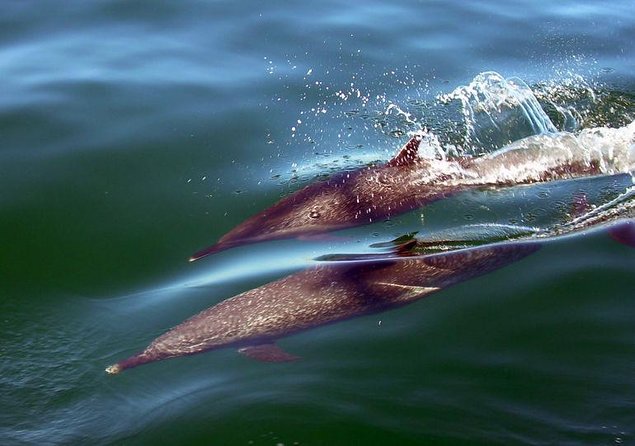
And yes, you might get those bucket-list moments: breaching adults, moms close by with calves, and even dolphins showing up around the same areas. The bay’s geography and the migration timing are doing most of the heavy lifting for you.
Other whale trips in Puerto Vallarta that earned a write-up
- Whale and Dolphin Watching with a Biologist in Puerto Vallarta
★ 5.0 · 666 reviews - Sunsets and Whales Mega Yachts ALL INCLUSIVE: Puerto Vallarta
★ 5.0 · 509 reviews - Whale Encounter Puerto Vallarta
★ 5.0 · 469 reviews - Whale Watching Cruise In Puerto Vallarta & Nuevo Vallarta
★ 5.0 · 398 reviews - Small-Group Half-Day Whale-Watching Tour in Puerto Vallarta
★ 5.0 · 334 reviews
The speedboat experience: what the ride and timing are really like
This tour is designed for quick access to whale areas. Using a speedboat means you spend less time sitting while the captain hunts, and more time watching and listening once the whales are found. Multiple guides and captains are mentioned across the experience, and the common theme is good teamwork, fast spotting, and smart positioning.
Duration is listed at about 3 hours, but real life can shift with whale movement and how active the group is. Some people report a shorter visit around 2.5 hours, while others say it ran longer in the best way. The takeaway for you is simple: don’t schedule a tight next activity. Treat it like a true morning or half-day commitment.
Also, the vessel type matters for comfort. Reviews point out that it can be a smaller group setup (often felt intimate, and sometimes around 16 to 20 people), which usually makes the experience feel more personal. Just remember that small boats often mean fewer comfort perks, and this one specifically lacks toilets and shaded areas.
Hydrophones plus a guide: how to actually enjoy the sound
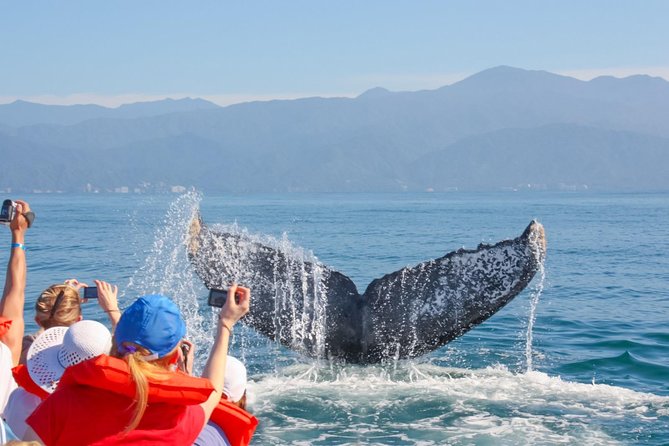
Hydrophones are included, which is a big deal because it changes what you’re paying attention to. Instead of only watching spouts and breaches, you can listen to whale calls and communication through the microphone in the water. People especially love this part because it gives a more complete picture of the animal, even if you are not close enough to see every detail.
What makes the hydrophone time land well is how the guide frames it. Chai, for example, is praised for setting expectations around dive durations and varying behaviors. That matters because if you know what whales are likely doing and why they might disappear for a while, you don’t get frustrated. You stay tuned, literally.
If you want to get the most out of the sound portion, do this:
- Pay attention when the guide signals it is time to listen, not when you see the first splash
- Keep your voice down, so the audio stays useful
- Get your jacket on early, because the wind off the water can make you impatient if you wait
The hydrophones also make it easier to enjoy even when you are not staring at a whale at every second. You still feel like you are participating, not just waiting for the next sighting.
Before you see whales: the migration context that sets expectations
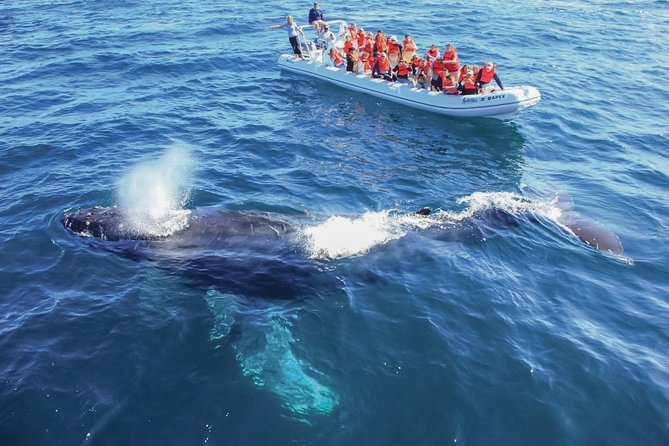
The first key stop is all about the seasonal migration. Humpbacks travel from Arctic feeding grounds down to sheltered coastal waters to breed and rear calves. In plain terms, they are in Banderas Bay for a reason, and that reason drives what you can expect to see.
This matters because it influences behavior. During this part of the year, you may be more likely to see:
- Adults spending time close to the surface
- Pairs and family groups moving together
- Calves staying near moms, sometimes in energetic activity
Guides often connect the dots between the whales’ movements and the winter timing, so you get a better read on what you are witnessing. That is also why the tour’s structure helps your experience feel richer. The tour is not just a fast boat ride. It is a guided interpretation of a real biological timeline happening right outside Puerto Vallarta.
Spotting from the water: what you might see once you’re out there
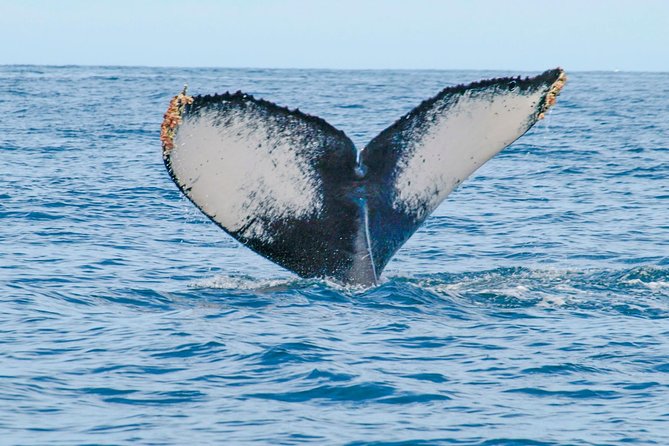
The second main focus is seeing whales from the water. And if the whales are in an active mood, you can get a wide mix of scenes. People describe seeing multiple whale groups in one outing, sometimes 3 to 5 groups, which helps when animals move around and surface sporadically.
Common sightings from this type of tour include:
- Humpback whales in several pods or groups
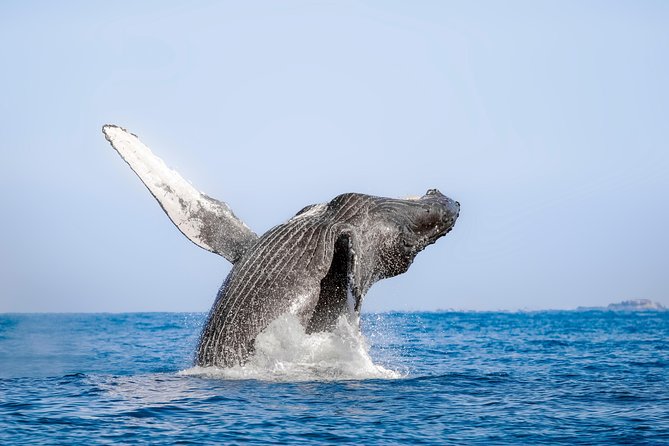
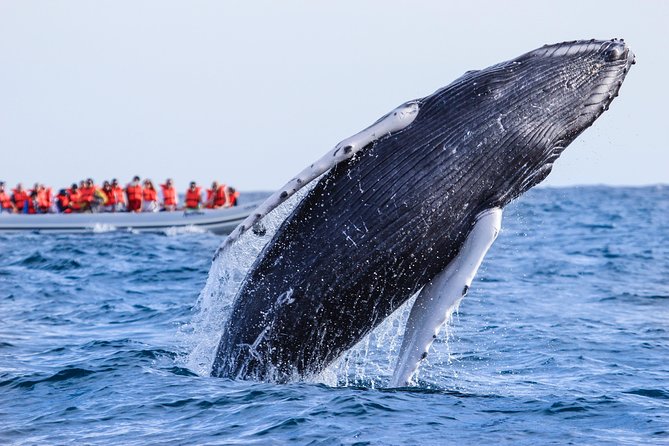
- Breaching, where adults launch up out of the water
- Mom and calf interactions, sometimes with playful or teaching behaviors
- Dolphins in the area, including pods that swim alongside or mingle nearby
There are also bonus wildlife sightings that can happen depending on where the captain takes you. Some people mention rays and sea turtles, which is always a pleasant surprise when it occurs. Just keep your mindset flexible. In whale watching, the best “plan” is staying ready for changes.
One more practical point: speedboat positioning can change your view. People who choose the speedboat option often say it allows closer, more agile positioning compared with slower boats. That can translate into better photo angles and more satisfying watching when whales decide to breach nearby.
- Puerto Vallarta Best Zipline Canopy + Tequila and Speed Boat Ride★ 5.0 · 3,786 reviews
- Winner 2025 Downtown Vallarta Food Tour with Vallarta Food Tours★ 5.0 · 3,738 reviews
- Extreme Adventure, Wildest Bridge, ATV & Ziplines★ 5.0 · 3,179 reviews
- Mega Yacht ALL INCLUSIVE Yelapa Waterfall & Snorkeling Adventure★ 5.0 · 2,515 reviews
- Food & Mixology Tour:Tequila,Tacos, Mezcal and Agave Cocktails★ 5.0 · 1,884 reviews
- Outdoor Ziplining, Waterfalls & Speed boat in Puerto Vallarta★ 5.0 · 1,796 reviews
- Rhythms of the night, Sunset Cruise, Candlelit Dinner & Alma Show★ 4.5 · 1,667 reviews
What is included, and what you should budget for in real money
The tour includes:
- Hydrophones
- A light snack
- Purified water
Those inclusions are practical. The snack and water keep you comfortable during a several-hour outing without having to search for food on your own. Hydrophones are the main value add because they change the experience from “spot and point” to “listen and learn.”
Two extra costs matter:
- Admission fee for Puerto Vallarta is MX$40 per person, and it is not included
- A conservation fee of $25 pesos per person is collected at check-in, with proceeds supporting humpback whale conservation
If you want this trip to feel smooth, bring cash for those local fees. Also, keep in mind that the total you pay is not just the advertised $89. The good news is that these fees are directly tied to access and conservation, so they are not random tourist add-ons.
Comfort tips: cold wind, sunscreen, and the bathroom rule
This is where you can either have a great time or spend the trip fidgeting. The boat does not offer toilets or shaded areas, and that shapes your comfort plan.
From the season and recurring advice, you should assume it can get chilly on the water. People specifically recommend bringing a fleece or lightweight jacket, and also wearing pants or something warm enough for wind. January and similar winter months tend to bring a breeze that makes you feel cooler faster than you expect.
On the opposite end, you still need sunscreen. There is no cover on the boat, so sunburn risk is real if you are out there long enough.
And the bathroom reality is simple: use the restroom before you board. Once you are out on the water, you are on a small setup and you should plan as if there is no in-route option.
Smart rules on board, including the no-drone detail
A couple of policy items affect your prep. Drones are prohibited on this tour due to federal regulations, intended to protect the flight path of endemic birds.
This is also a good reminder to travel with a “no surprises” mindset for your photography gear. If you are hoping for drone footage, this is not the outing for it. Regular cameras and phones are fine, and if the hydrophone moment is the priority, you will want to keep your hands free for audio listening and quick photo framing.
Who this tour is best for, and who should think twice
This whale watching experience is a strong fit if you want:
- A speed-focused trip that aims to get you to whale areas quickly
- Hydrophones and a guide who explains what you’re seeing
- A small-group feel, with a maximum group size of 30
- Winter humpback season sightings, including a chance at mom and calf moments
It is also a good choice if you are not a fan of loud, constant commentary. Several people mention enjoying the guide experience and the ability to hear whale calls through the microphone in the water, which suggests the vibe can be more focused than chaotic.
You might want to think twice if:
- You strongly need toilets or shaded seating (this boat does not have them)
- You are easily bothered by cold wind on open water, since you will want a jacket
- You need hotel pickup, since pickup and drop-off are not included
How much value you get for $89
At $89 per person for about 3 hours, the value depends on what you want most. If you care about simply seeing whales, you might compare other tours. But if you care about hearing them and learning how to interpret what you see, hydrophones and expert commentary push the value up.
Also, speedboat-style searching helps. Less time sitting on the water looking empty means you can enjoy more of the actual whale watching part. That’s not just comfort, it’s time-on-task.
Finally, the small group size and multiple guide-captain teams (names like Enrique, Daniel, Pablo, Andrea, and captains such as Chava and Jesus show up in the experience) point to an operation that tries to balance education with real-world spotting.
Should you book this Puerto Vallarta whale watching tour?
If you want a fast, small-group humpback experience in winter, with hydrophones and serious help from guides like Chai, Enrique, and Daniel, I think this is a solid booking. Just go in with the right expectations: bring layers, plan for no toilet or shade, and budget the extra MX$40 port fee plus the $25-peso conservation fee.
Book it if whales are the main event and you like guided interpretation that makes sightings feel more meaningful. Skip it if you need lots of onboard comfort, timed hotel pickup, or you are hoping to use a drone.
Whale trips still worth a look around Puerto Vallarta

Not quite it? More Puerto Vallarta tours from our review pile




Whale Watching in one list.
 ★ 5.0Luxury Catamaran Whale Watching Cabo San LucasFrom $1292,107 reviews
 ★ 5.0Whale Watching Cabo-Women crew-Sightings Guaranteed & Free PhotosFrom $1001,743 reviews
 ★ 5.0SMALL GROUP Whale Watch | Cabo San Lucas | Biologist | FREE PicsFrom $1091,106 reviews
 ★ 5.0La Paz Whale Shark Snorkeling Tour and Lunch From Los CabosFrom $2591,066 reviews
 ★ 5.0Humpback Whales in Cabo San LucasFrom $991,005 reviews
 ★ 5.0Whale Shark Adventure in Isla Mujeres and CancunFrom $155951 reviews
 ★ 5.0Whale Shark Tour from Cancun, Playa del Carmen, Tulum and Riviera MayaFrom $199929 reviews
 ★ 4.5Whale Sharks Small-Group Tour in Cancun and Riviera MayaFrom $160916 reviews
Where else it sits