
Reviewed · PUERTO ESCONDIDO & SURF LESSONS
Turtle Release Escobilla Sanctuary and crocs in Ventanilla.
A sea turtle release feels close and real. This Huatulco day mixes mangrove wildlife with a hands-on sunset moment at Escobilla Sanctuary. It’s conservation tourism in action, not just watching from afar.
I love the two-ecosystem combo. First you cruise the Laguna Ventanilla mangroves for birds, crocodiles, and reptiles, then you shift to the long sandy stretch of La Escobilla, a major sea turtle nesting beach in Oaxaca.
One thing to plan for is the travel time. The road to Ventanilla can be long, and parts can feel rough, so if you get car sick, pack accordingly and keep expectations flexible.
In This Review
- Key points before you go
- Price and logistics: what $42 really buys
- Pickup, timing, and the ride to Ventanilla
- Ventanilla mangroves: why the lagoon boat time is the star
- Wildlife you can realistically spot near the mangroves
- Santuario La Escobilla: the long nesting beach
- The turtle release at sunset: emotional, but read the fine print
- Turtle survival rates: the part you should understand before you go
- What to wear and bring: the comfort checklist that keeps the day fun
- Common realities: crowds, walking, and the release moment
- Who this tour suits best (and who should reconsider)
- A note on guides and the bilingual experience
- Should you book this turtle release and crocs combo?
Key points before you go
- Small group size (max 20) makes the day feel less rushed.
- Two paid entrances are usually extra: Laguna Ventanilla MX$250 and Santuario La Escobilla MX$300.
- Sunset timing is the whole point, and turtle releases depend on what wild turtles arrive.
- Mangrove boat time gives you a better look at crocodiles and bird life than a land-only stop.
- Bring sand shoes and cash since you’ll be on beaches and fees are not included.
Price and logistics: what $42 really buys
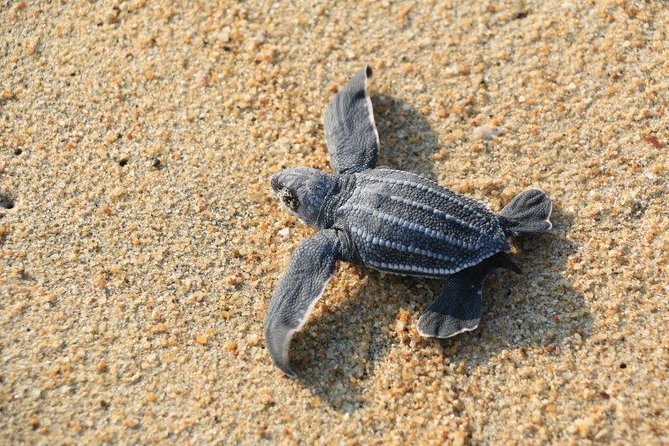
The headline price is $42.00 per person, and it covers what matters most for a remote-area outing: hotel pick-up within Huatulco’s urban area, an air-conditioned vehicle, a bilingual guide, and the mobile ticket.
What isn’t included are the two main site fees. Budget an extra MX$250 for Laguna Ventanilla and MX$300 for Santuario La Escobilla. If you add those together, you’re paying about MX$550 more per person on top of the $42.
Does it still feel like good value? For me, yes, because you’re getting more than one wildlife experience in the same afternoon. You also get a bilingual guide and a boat-and-beach format, not just a quick photo stop.
More turtle snorkels across Huatulco, same treatment
- From Huatulco: Turtle Release & Bioluminescence
★ 4.5 · 51 reviews
Pickup, timing, and the ride to Ventanilla
The tour starts at 1:30 pm. The advertised duration is about 6 to 7 hours, but plan for a longer day in real life, especially once you factor in driving time to Ventanilla and the late-day turtle release.
You’ll travel in an air-conditioned vehicle, and the drive is part of the adventure. The trade-off is that some stretches can be affected by road conditions and construction, so motion sensitivity is a real consideration.
If you’re the type who likes to eat early and then forget about schedules, this tour is a bit different. You’re out long enough that you’ll want to bring snacks if the day runs late, and you’ll likely be thinking about sunset more than dinner plans.
Ventanilla mangroves: why the lagoon boat time is the star
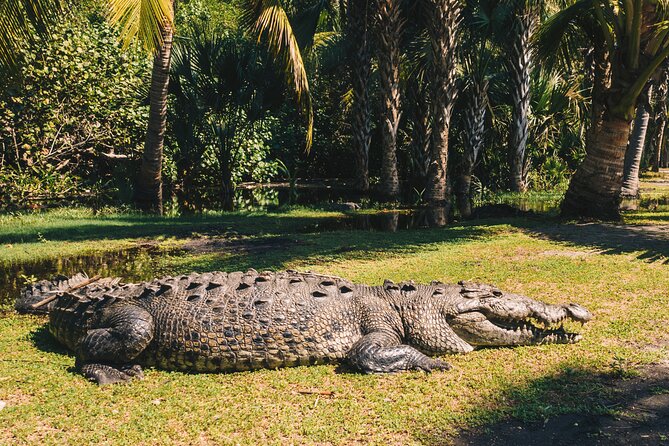
Laguna Ventanilla is mangrove country. Mangroves are not just pretty roots in shallow water. They act like a living filter and nursery, and they protect coastlines from erosion while giving plants and animals a stable home.
In this part of the day, you’ll get a boat experience through the lagoon. Expect close wildlife viewing along the mangrove edges, with a chance to see birds and reptiles and to learn how this ecosystem supports them.
Here’s what I like about the way Ventanilla is presented to you. Instead of treating wildlife as random sightings, the guide frames the mangroves as an engine for life: productive habitats that help regulate temperature and humidity and support a wide food chain.
Wildlife you can realistically spot near the mangroves
This is not a zoo-style visit. You’re moving slowly through habitat where the animals choose to show up on their own schedule.
Based on the way the experience is described and the wildlife focus, you should keep your eyes out for birds such as woodpecker and kingfisher species, plus herons. You may also see crocodiles and iguanas, since those are part of the ecosystem the tour highlights.
One more useful angle: mangroves are visually busy. Even when you’re not spotting animals instantly, you’re still learning to read the water, the trees, and the movement patterns that signal where wildlife might be.
Santuario La Escobilla: the long nesting beach
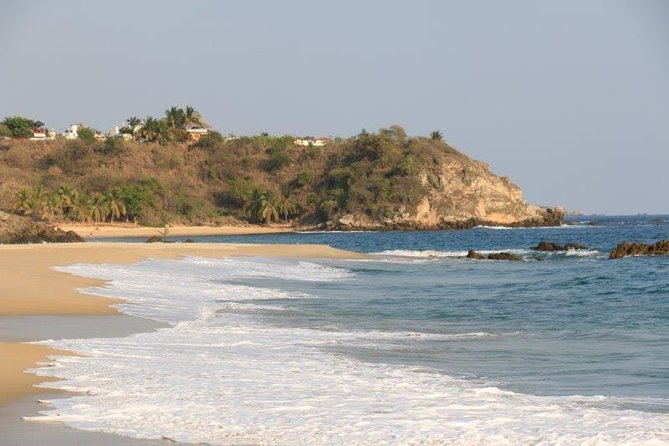
La Escobilla is known as the sea turtle sanctuary because of the huge number of turtles that come ashore on the Oaxaca coast throughout the year. The beach stretches about 25 kilometers, in the municipality of Santa María Tonameca.
What makes this stop meaningful is that it focuses on nesting and survival. You’re not just seeing turtles as a cute moment at the end of the day. You’re learning about why this place matters and how local conservation efforts support the turtles’ return cycle.
In the sanctuary area, you’ll learn how the community works to protect turtles. That hands-on emphasis is what turns this from a wildlife outing into a conservation visit you can feel good about.
And yes, you might see other animals too. One of the reasons this sanctuary stop gets positive reactions is that it can include additional wildlife viewing like deer and birds, depending on timing and activity.
More Puerto Escondido surf sessions across Huatulco, same treatment
- Half-Day Tour to Ventanilla, Mazunte, Zipolite and Puerto Angel★ 4.5 · 63 reviews
The turtle release at sunset: emotional, but read the fine print
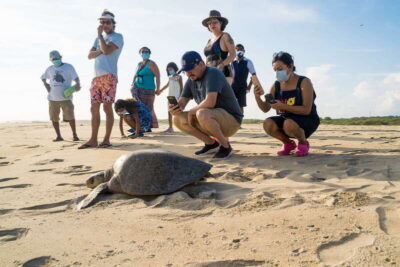
The turtle release is the headliner. You’ll be at the beach as the light shifts toward dusk, and you’ll have a role in the release process.
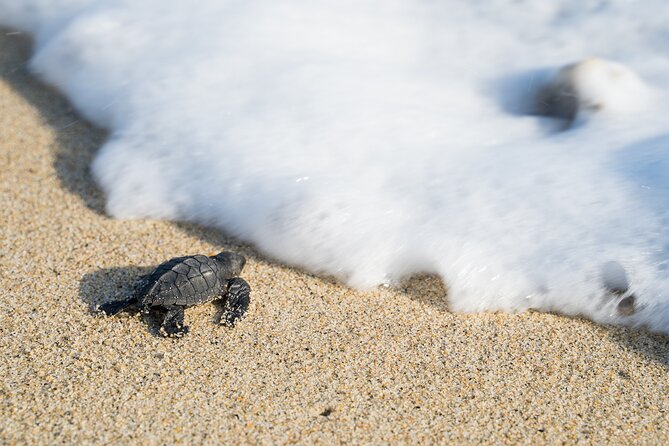
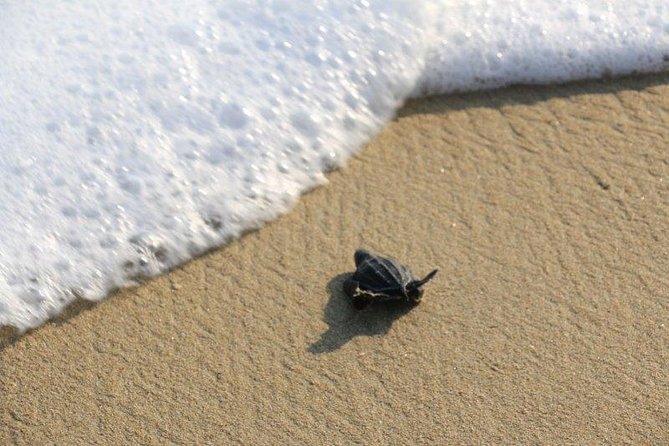
This is where the tour’s message hits hardest. You’re watching hatchlings make their first real trip toward the ocean, and it naturally feels emotional because it’s both fragile and urgent.
A practical truth you should know: releases are not guaranteed year-round. From August to early November, turtle sightings are rare because it’s outside the nesting season. Even with conservation efforts ongoing year-round, releases during those months depend on the wild turtles arriving.
If you go during peak nesting months, you may release more than one turtle when additional hatchlings arrive. Some visitors also describe getting to hold or handle hatchlings briefly while waiting for release time, which makes the moment feel personal.
Turtle survival rates: the part you should understand before you go
The release is moving, but it’s also important to understand what happens after. Baby sea turtles face intense odds. A figure shared by the operator is that only around 3% of baby turtles reach adulthood.
Predation, pollution, and habitat loss all reduce survival rates. That’s why the conservation angle matters, not just the sunset photos. When you understand the low survival probability, the trip shifts from a feel-good moment to a deeper commitment to protecting nesting beaches and mangrove habitats.
What to wear and bring: the comfort checklist that keeps the day fun
This trip includes beach time and sand, plus time outdoors. I’d treat it like a small field day.
Bring:
- Hat and sunscreen
- Repellent
- Sunglasses
- Sand shoes (you’ll thank yourself on uneven sand and beach edges)
- A water bottle (bottled water isn’t included)
- Cash in pesos for the entrance fees and any snacks
- A phone or camera for video, because turtle release moments pass fast
Even with an air-conditioned vehicle, you’re outdoors long enough for heat to build up. Wearing breathable clothes and keeping your sun protection ready makes the day feel smoother.
Common realities: crowds, walking, and the release moment
This isn’t an all-access, museum-style experience. You’ll move between areas on foot, and beach terrain can be loose underfoot.
One detail to be mentally prepared for is how the release area works. When turtles are released, people may react quickly, and sometimes kids get close to where hatchlings are moving. The safest mindset is simple: stay aware of where you’re standing and don’t rush in after a release.
That calm, respectful pace is part of how you support the conservation purpose, not just witness it.
Who this tour suits best (and who should reconsider)
This is a great fit if you want:
- A real conservation experience with an educational guide
- A chance to see crocodiles and birds in mangrove habitat
- A sunset turtle release that you can participate in
- A small group format that stays intimate (max 20)
It’s also a solid choice for many families, including kids old enough to handle outdoor time and walking. Several families describe the day as fun because it includes both a lagoon boat ride and a hands-on turtle moment.
Consider skipping or choosing a different timing if:
- You get car sick on rough or curvy roads
- You’re visiting during August to early November, when turtle sightings are rare
- You dislike long drives and an evening wrap-up
A note on guides and the bilingual experience
You’ll have a bilingual guide, and that matters more than it sounds. When the guide explains turtle behavior, mangrove ecology, and what you should look for on the boat, you stop treating wildlife like a guessing game.
Some guide names show up in feedback, like Luis and Victor, and the consistent theme is clear communication and keeping everyone engaged while still giving you space to enjoy the natural setting.
Even if you’re only comfortable in one language, the structure helps. You’ll get the story twice, which makes it easier to remember what you’re seeing in the moment.
Should you book this turtle release and crocs combo?
I’d book it if you want the rare combo of mangrove wildlife plus a meaningful sea turtle moment. The $42 base price can feel like a bargain once you add that the day includes air-conditioned transport, pick-up, and a bilingual guide, with the big natural experiences happening right after.
But I’d book with eyes open. You must plan for extra entrance fees, you should expect a long drive and an ending around sunset, and turtles are not guaranteed in late summer to early fall.
If you’re traveling in peak season for nesting and you’re comfortable with outdoor sand and a long afternoon, this is the kind of tour that leaves a mark, not just a photo.
More Puerto Escondido surf sessions that made the Huatulco cut
More turtle snorkels that made the Huatulco cut
Not quite it? More Huatulco tours from our review pile



Puerto Escondido & Surf Lessons in one list.
 ★ 4.6Puerto Escondido: Boat Tour to see Dolphins and Marine LifeFrom $46467 reviews
 ★ 5.0Los Cabos Surf Lesson at Costa AzulFrom $47398 reviews
 ★ 5.0Dolphin & Whale Watching in Puerto EscondidoFrom $65278 reviews
 ★ 4.5Puerto Escondido: Turtle Release ExperienceFrom $40228 reviews
 ★ 5.02-Hour Surf Lesson in the Waves of Puerto Escondido177 reviews
 ★ 5.0Surf lessons in Puerto Vallarta and NayaritFrom $110137 reviews
 ★ 5.0Private Surf Lesson Experience at Puerto VallartaFrom $94115 reviews
 ★ 5.0Boat Trip to See Marine Life in Puerto EscondidoFrom $65109 reviews
Where else it sits