
Reviewed · SCUBA DIVING
Scuba Diving Under Water Museum and Reef for beginners
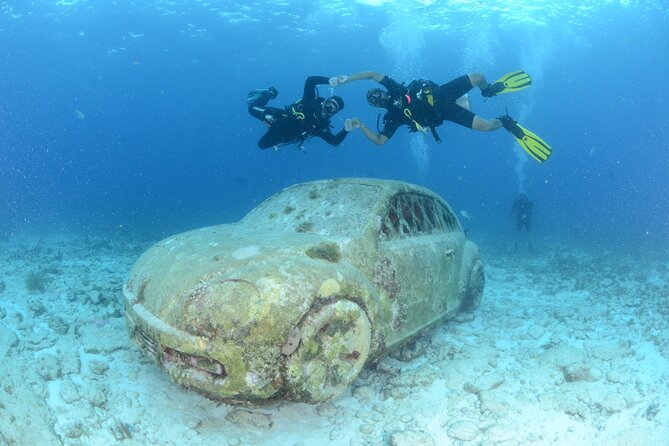
Your first tank can feel easy. This beginner program turns Cancun’s underwater world into a guided, structured experience, with one-on-one PADI training and two open-water sessions at MUSA and a reef site.
I love that the learning starts with a relaxed pool setup, so you can get comfortable breathing and handling your gear before you go into open water.
I also love the choice of locations, the Underwater Museum has 500+ sculptures, and the reef is designed for first-timers.
One thing to watch: the advertised price does not include all add-ons, so plan for extra fees on top of $119.
If you’re trying to decide whether this is “your first time” friendly, here’s what matters most.
In This Review
- Key highlights that make this a strong beginner choice
- Beginner-Friendly PADI Coaching Before You Go Under
- Price and Extra Fees You Should Budget For
- From the Pool to the Sea, Step by Step
- Museo Subacuatico de Arte (MUSA), 500+ Sculptures
- Manchones Reef and Isla Mujeres, Coral and Marine Life
- Safety, Small Groups, and Real Instructor Styles
- Gear, Photos, and What to Bring to Stay Comfortable
- Should You Book This Cancun Beginner Scuba Program?
- FAQ
- Do I need scuba certification to join?
- What training do I get before going into the ocean?
- How many open-water sessions are included?
- Where do the open-water sessions take place?
- Is scuba gear included in the price?
- What fees are not included in the $119 price?
- Do I need to rent a wetsuit?
- How many people are in the group?
- What time does the experience start, and how long is it?
- What happens if the activity is canceled due to bad weather?
- What is the cancellation rule for a full refund?
Key highlights that make this a strong beginner choice
- Small groups up to 16 so instruction stays hands-on and controlled
- Pool plus theory first, which helps your brain and breathing get on the same page
- MUSA (Museo Subacuatico de Arte) with 500+ sculptures made for slow, curious underwater looking
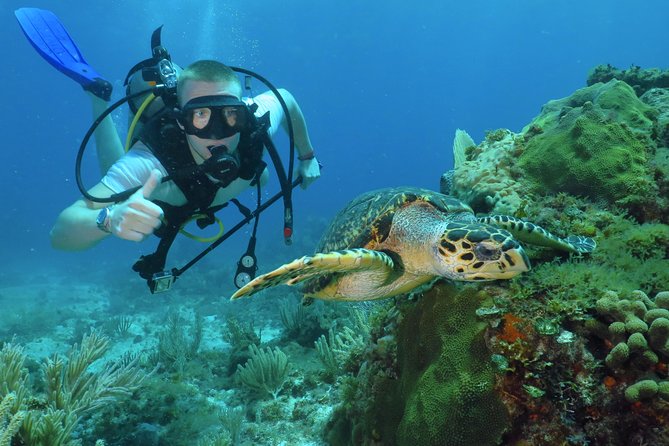
- Manchones Reef as the second sea stop, built around coral and marine life suited to beginners
- Certified PADI instructors who are repeatedly praised for safety and calm coaching
Beginner-Friendly PADI Coaching Before You Go Under
This is set up as a Discover Scuba-style introduction, meaning you do not need scuba certification to participate. Your training is built in layers: quick grounding in the basics, then hands-on practice in a pool, and only after that you head out for your open-water time.
The biggest value here is not the sites alone, it’s the teaching approach. You get a certified PADI instructor, and the tone is repeatedly described as patient and safety-forward, including instructors like Arthur, Alex, Gonzalo, and Ulysses when they’re on the team. If you’re nervous, that kind of coaching matters, because it can turn fear into focus fast.
The schedule is also friendly for beginners because it’s not “just show up and hope.” You start at Coconut Divers (Hotel and marina Sotavento, Blvd. Kukulcan Km 4.0) and move through the steps in a clear order, with an 8:00 am start and about a 5-hour total block.
Here are other museum stops we have been through in Cancun
- Jungle Tour & Snorkel at Punta Nizuc Reef , Underwater museum
★ 4.5 · 201 reviews - For certified Divers Experience the Under Water Museum and the Manchones Reef
★ 5.0 · 92 reviews - Isla Mujeres: Snorkeling Adventure at the Underwater Museum
★ 4.5 · 82 reviews - 2-Hour Snorkeling Paradise Reef in Cancún Underwater Museum
★ 4.5 · 74 reviews - Cancun: Snorkeling Tour at MUSA The Underwater Museum
★ 4.7 · 73 reviews
Price and Extra Fees You Should Budget For
On paper, the price looks simple: $119 per person for the main program, about a half-day. What makes or breaks the value is what’s included versus what’s not.
Included:
- scuba gear
- theory class
- PADI scuba instructor
- purified drinking water bottles
- 2 open-water sessions
Not included:
- national marine park entrance fee: $20 per person
- pool class fee: $20 per person
- wetsuit rental: $10 per person
So your realistic budget often lands higher than the headline price, especially if you need both the wetsuit and the pool add-on plus the marine park fee. In practice, this is still usually good value because you’re paying for instruction, gear, and two separate sea sessions, not just a “look around and follow a rope” outing.
One more practical point: if you are sensitive to motion, you should also budget for the odds of rougher water. The experience depends on weather, and the operator states they can cancel due to bad weather, offering a different date or a full refund.
From the Pool to the Sea, Step by Step
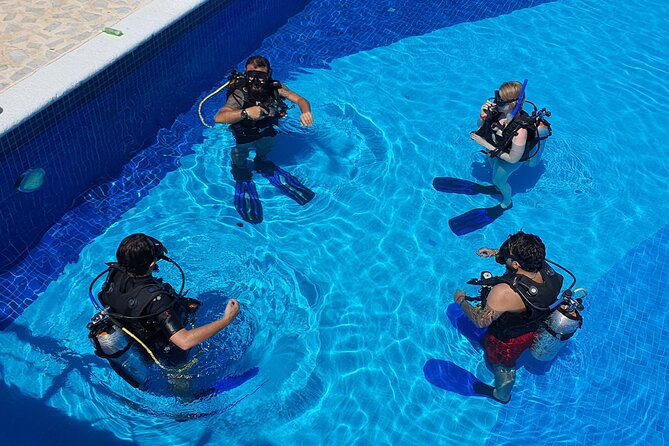
Your day starts with instruction at the dive center, then you move to the pool session. The pool work is where you learn how breathing feels with the regulator, how to manage your setup, and how to get comfortable enough that open water doesn’t feel like a surprise.
I like that they emphasize practice before you go out, and several instructor stories line up with that safety-first attitude. People describe instructors taking the time to prepare students for emergencies and to make sure you can clear your mask and handle basic issues calmly.
That said, you should set expectations on timing. A couple of negative comments complained that pool time felt short, so if you want extra repetition, tell the instructor at the start that you want slower, more practice. The best beginner moments here come from asking questions early, before you’re already in the water.
Between pool practice and leaving the dock, there can be a wait while tanks and the boat get ready. If you get cold easily, plan for it, especially since you’ll be in swimwear during part of the day and then out on the return.
Museo Subacuatico de Arte (MUSA), 500+ Sculptures
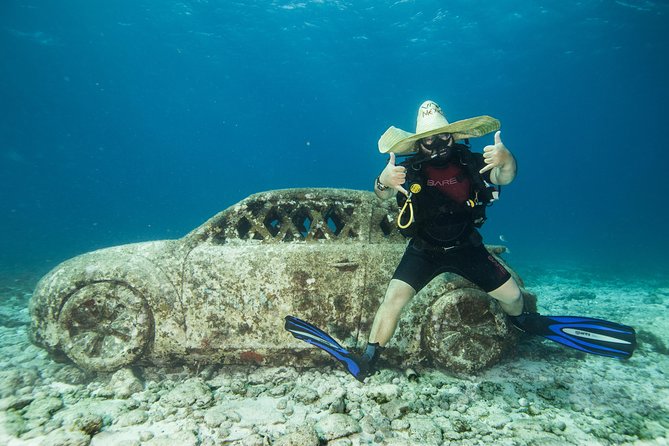
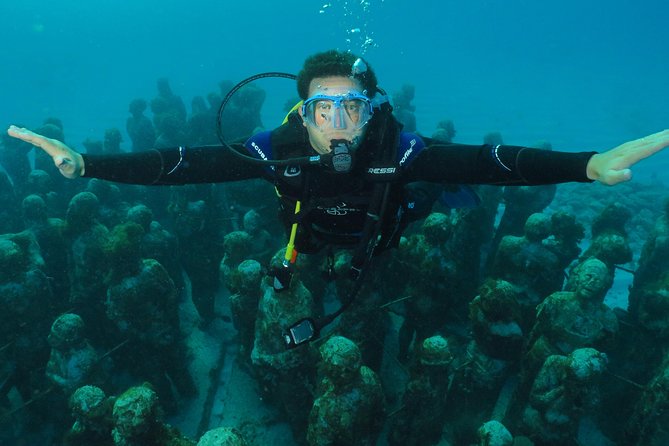
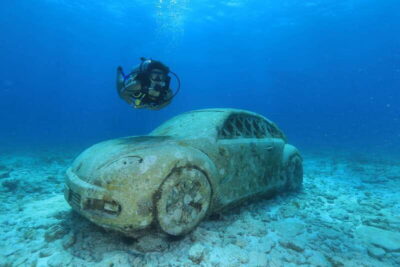
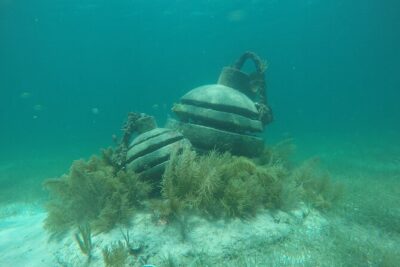
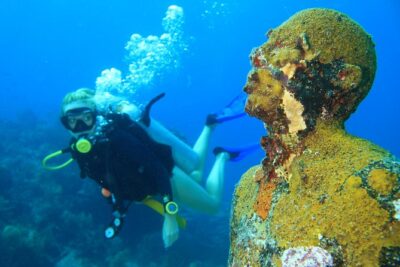
The first sea stop is the Underwater Museum, officially the Museo Subacuatico de Arte (MUSA). This is the kind of underwater attraction that feels more like an art walk than a sports event.
The museum features more than 500 sculptures, which matters for beginners because it gives you something to look at other than your gear. When you’re busy scanning the art, your breathing stays steadier, and you move at a calmer pace. You’re not just trying to “survive the water,” you’re learning to enjoy it.
What you’ll likely notice first is how the sculptures create clear, easy landmarks. That helps because first-time students often worry about losing bearings. Even if you keep things basic, you’ll have a natural reason to slow down and take in what’s around you.
Photos are another reason this stop is popular. You may find that visibility and lighting make a huge difference day to day. If it’s overcast, expect photos to look less dramatic, but the shapes and scale can still feel unreal in person.
Manchones Reef and Isla Mujeres, Coral and Marine Life
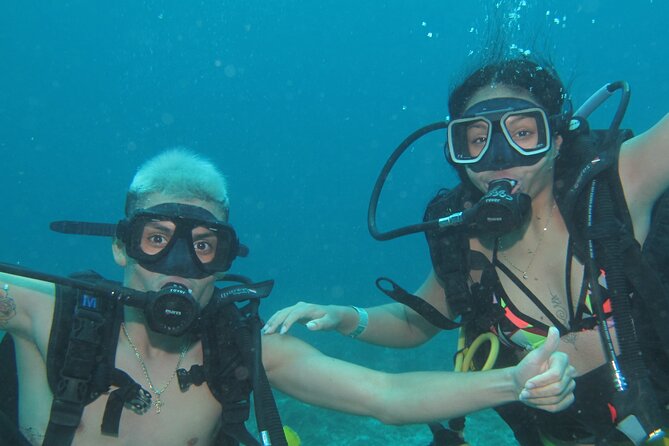
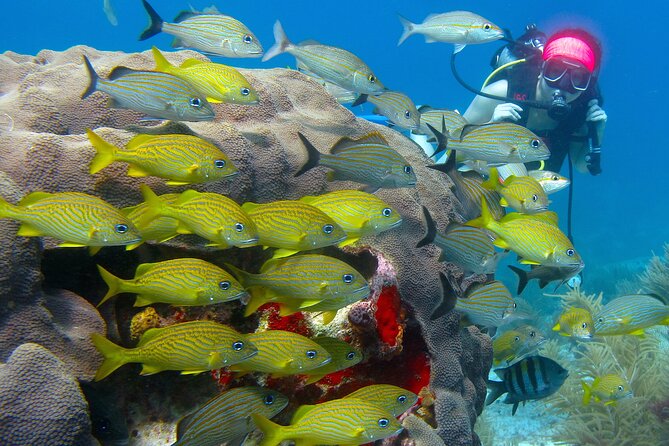
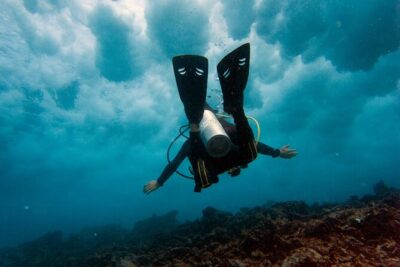
The second open-water session focuses on Manchones Reef, a coral reef area created for beginner-friendly encounters. For first-timers, reefs can sound intimidating, but the whole pitch here is that this is a controlled introduction, not a hardcore expedition.
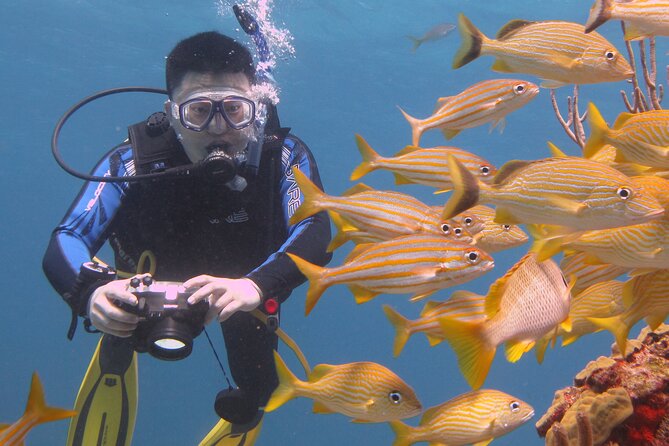
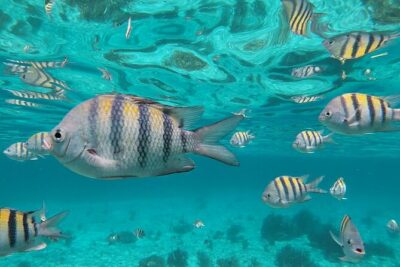
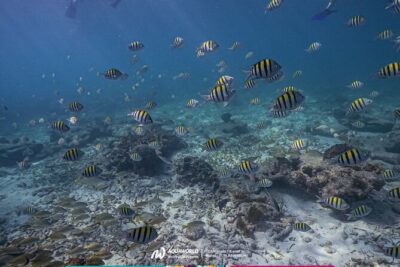
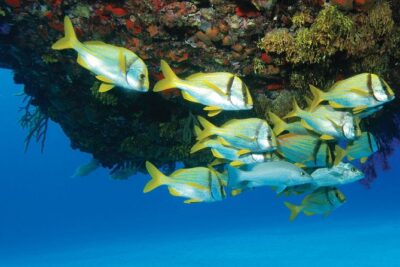
This is where you shift from “museum looking” to “life watching.” From what people describe, you may see schools of fish and other sea creatures. Several experiences mention sightings like lobsters, an octopus, a turtle, stingray, and plenty of colorful fish.
Two practical notes for your comfort:
- You’ll want to keep your buoyancy steady so you do not kick up sand or coral.
- If you struggle with clearing your mask or keeping water out, your instructor should help, and some guides are specifically praised for coaching students through that kind of moment.
Weather can affect visibility and how comfortable the boat ride feels. One realistic risk on any Cancun open-water day is seasickness. If you know you get queasy on boats, consider taking action before you feel bad, not after. This is one of those activities where staying comfortable matters for both your safety and your enjoyment.
More dive bookings from our Cancun shortlist
- Diving in the Mexican Caribbean for Beginners | 2 Tanks 2 Dives | All Inclusive★ 5.0 · 431 reviews
- Two Tanks Scuba Diving for Beginners in Cancun★ 5.0 · 233 reviews
- Scuba Diving Under Water Museum and Reef for beginners★ 5.0 · 189 reviews
- Cancun: Scuba Diving for Beginners, 2 Dives★ 5.0 · 184 reviews
- Scuba Diving (1st time) in Cancun Beginner’s WELCOMED!★ 5.0 · 102 reviews
- Discovery Scuba Diving !!★ 5.0 · 46 reviews
- Cancun: Musa Underwater Museum & Reef Discover Scuba Diving★ 4.7 · 31 reviews
Safety, Small Groups, and Real Instructor Styles
Safety is a core selling point for this program, and the structure supports that. You’re not in a huge group, and the tour caps at 16 travelers. That smaller size helps instructors give individual attention when you need it most.
The teaching style is what stands out in repeat comments. People praise instructors for calming nervous students, keeping things simple, and making sure you understand safety rules before moving into open water. Names that come up often include Arthur and Alex, plus Gonzalo, Ulysses, Poncho, and Ricardo, each described as patient and reassuring in different situations.
A few moments to keep in mind:
- If you panic in water, tell your instructor immediately. Getting honest early is better than trying to “push through” alone.
- If you are the weaker link of the group in comfort, the best teams stay with you, re-coach breathing, and build your confidence so you can do the second session well.
There’s also a simple takeaway: you’ll get the best experience if you treat this like a class. Listen, practice what they show you, and ask for clarification in plain terms. The reward is huge because once your breathing and gear feel normal, the underwater world becomes fun fast.
Gear, Photos, and What to Bring to Stay Comfortable
Scuba gear is included, and you also get purified drinking water bottles. Wetsuit rental is optional but not included, listed at $10 per person, so plan around that if you want the added comfort and warmth.
Here’s what you should think about before you go:
- Bring your own towel if you want one, since snacks or towels are not listed as included.
- Wear something you can get wet in and dry quickly.
- If you use a camera or want underwater photos, ask the team about options before you enter the water. Some instructors are known for helping students with underwater photo moments, and people also recommend having a GoPro or similar camera if you can.
Also plan for sun and wind. Even if the day starts cool early, boat rides plus time in swimwear can make you chilly on the return. A light cover-up after your sessions can make a big difference.
Should You Book This Cancun Beginner Scuba Program?
I think this is a good booking choice if you want a structured first scuba experience with real instruction and two meaningful underwater locations. The Underwater Museum alone is worth the day for people who like art and odd beauty, but the reef makes it feel like a full beginner program, not a one-stop novelty.
You should especially consider booking if:
- You are truly brand new and want pool practice plus theory
- You want smaller group attention with certified PADI instructors
- You want two separate underwater experiences rather than one short try-and-go
I would pause and double-check your expectations if:
- You know you get seasick easily and you want to be extra sure you can handle open-water conditions
- You dislike paying add-ons on top of the headline price, since the marine park fee, pool fee, and wetsuit rental can add up
If you’re okay budgeting for those extras and you’re ready to treat the day like a class, this is one of the more beginner-friendly ways to experience Cancun underwater.
FAQ
Do I need scuba certification to join?
No. This is designed for beginners using a Discover Scuba-style program, so scuba certification is not required.
What training do I get before going into the ocean?
You get a theory class plus a relaxed pool session where you practice the basics and breathing before heading to open water.
How many open-water sessions are included?
You get 2 open-water sessions as part of the experience.
Where do the open-water sessions take place?
One stop is the Underwater Museum (Museo Subacuatico de Arte, MUSA). The other stop is described as a reef experience at Manchones Reef, associated with the Isla Mujeres area.
Is scuba gear included in the price?
Yes. Scuba gear is included, along with purified drinking water bottles and your PADI scuba instructor.
What fees are not included in the $119 price?
The national marine park entrance fee is not included ($20 per person). The pool class fee ($20 per person) and wetsuit rental ($10 per person) are also not included.
Do I need to rent a wetsuit?
Wetsuit rental is optional based on the provided info, since it is listed as not included ($10 per person). You would likely rent it if you want that extra comfort.
How many people are in the group?
The group is capped at a maximum of 16 travelers.
What time does the experience start, and how long is it?
It starts at 8:00 am and lasts approximately 5 hours.
What happens if the activity is canceled due to bad weather?
If it is canceled due to poor weather, you will be offered a different date or a full refund.
What is the cancellation rule for a full refund?
You can cancel up to 24 hours in advance for a full refund. If you cancel less than 24 hours before the start time, the amount paid is not refunded.
The rest of our dive bookings in Cancun
Keep comparing museum stops across Cancun
Not quite it? More Cancun tours from our review pile



Scuba Diving in one list.
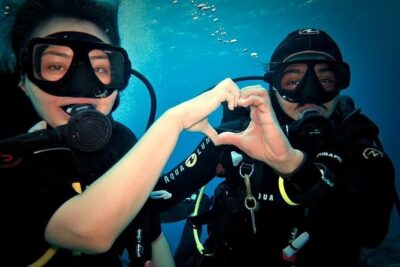 ★ 5.0Discover Scuba Diving in Cozumel Paradise Reef686 reviews
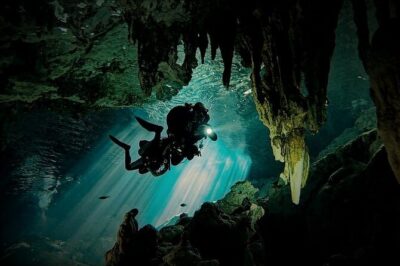 ★ 5.0Scuba Diving in Cenote Dos Ojos from Playa del Carmen453 reviews
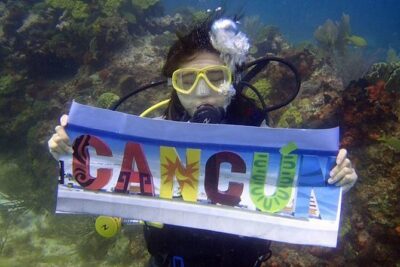 ★ 5.0Diving in the Mexican Caribbean for Beginners | 2 Tanks 2 Dives | All InclusiveFrom $190431 reviews
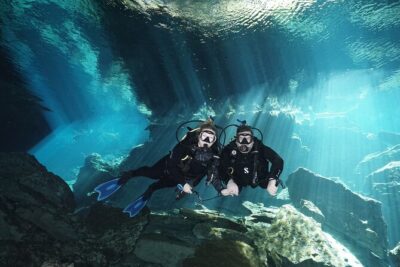 ★ 5.0Scuba Diving in Cenote Kukulkan from Playa del Carmen370 reviews
 ★ 5.02-Tank Scuba Dive in Cabo San Lucas Reserve for Certified DiversFrom $138263 reviews
 ★ 5.0Beginner Scuba Diving in Cabo San LucasFrom $142247 reviews
 ★ 5.0Discover Scuba Diving & Beach Club with Transportation In Riviera MayaFrom $150239 reviews
 ★ 5.0Two Tanks Scuba Diving for Beginners in CancunFrom $169233 reviews
Where else it sits