
Reviewed · PUERTO VALLARTA TOURS
Puerto Vallarta: Baby Turtle Release in Conservation Area
Baby turtles and a Puerto Vallarta sunset sounds like a dream. The real magic is the hands on olive ridley conservation work you learn first, then get to help with at the shore, often guided by Eduardo (also heard as Eddie).
I especially love how the tour turns science into something you can actually picture, from nest searching to egg incubation. I also love that you get a true participant moment, releasing the hatchlings as the light fades over the bay.
The main drawback to plan around: sometimes no turtles hatch on your scheduled day, so you may need to reschedule or cancel.
In This Review
- Key highlights to know before you go
- Baby Turtle Release in Puerto Vallarta, what you’re really signing up for
- Where you meet, and how to get to the right starting beach area
- The walk to the campsite, why the pacing is part of the experience
- The 45 minute campsite class, from nest searches to incubation
- Wildlife viewing for 20 minutes, what you’re watching (and what to notice)
- The sunset over the bay, then the baby turtle hatch and release moment
- Photos and what you might want to plan for
- Price and value, is $40 really fair for turtle conservation?
- What to bring, what not to bring, and how to avoid a miserable evening
- Who should book the turtle release, and who should skip it
- Should you book the Baby Turtle Release in Puerto Vallarta?
- FAQ
- How long is the Puerto Vallarta baby turtle release experience?
- Where is the meeting point for the conservation tour?
- What do you do during the 45 minute campsite session?
- Do guests participate in the baby turtle release?
- What should I bring with me?
- Can children under 5 participate?
- What happens if no turtles hatch on the day of my reservation?
- Are photos included?
- Is transportation included to the conservation area?
Key highlights to know before you go
- Olive ridley focus: You learn the life cycle and why eggs and hatchlings are protected where they naturally nest.
- Eggs to ocean, in sequence: You watch how staff collect nests, handle eggs, and incubate them until hatching.
- A real conservation team feel: Guides like Eduardo and others keep the tone practical, calm, and mission driven.
- Sunset + release timing: The best part often happens near dusk, with the bay as your backdrop.
- You get photos, plus a guide to keep you present: A photographer documents the moment so you can actually watch it happen.
- No DIY required: You walk to the conservation camp with the group, instead of trying to find an off the map beach alone.
Baby Turtle Release in Puerto Vallarta, what you’re really signing up for
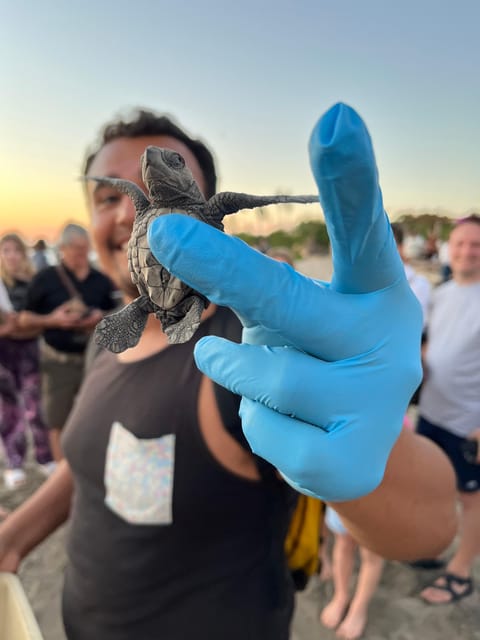
This is not a quick photo stop. It is a short conservation program that happens to end with a baby turtle release. You start by understanding what makes olive ridley sea turtles so fragile at the nesting stage, then you see how a local conservation team steps in to increase the odds of survival.
What makes it memorable is the rhythm. You’re taught, you observe, you watch for hatchlings coming out of eggs, then you take part in the final act: helping the babies reach the ocean. That arc turns the release from a feel good trick into a real, trackable conservation effort.
And yes, the sunset is a genuine mood booster. When the hatchings line up with the light, the whole scene feels like nature and human help working on the same schedule.
Vallarta outings in Puerto Vallarta we have also put through the notes
- Puerto Vallarta Best Zipline Canopy + Tequila and Speed Boat Ride
★ 5.0 · 3,786 reviews - Winner 2025 Downtown Vallarta Food Tour with Vallarta Food Tours
★ 5.0 · 3,738 reviews - Outdoor Ziplining, Waterfalls & Speed boat in Puerto Vallarta
★ 5.0 · 1,796 reviews - Private Tour: Puerto Vallarta ATV Adventure
★ 5.0 · 1,100 reviews - Taco Adventure Evening Food Tour with Vallarta Food Tours
★ 5.0 · 934 reviews
Where you meet, and how to get to the right starting beach area
You meet at the end of Paseo Bocanegra Street. The easiest approach is through the Marina Vallarta area, then you access through Albatros Street. After you cross Paseo Bocanegra, you keep going straight until you reach the end.
You’ll know you’re close when you see a golf course, a wall with drawings, and the beach at the end. If you arrive early, wait. Do not walk to the campground alone, especially if you’re arriving before the group meets up.
This matters more than it sounds. The route down to the conservation area is on foot, and the experience depends on everyone being together at the right times. Arriving a little early is smart, arriving early and getting lost is not.
The walk to the campsite, why the pacing is part of the experience
Once you link up with your guide, you walk about 15 minutes to the conservation area. This is not a strenuous trek, but it is long enough that you’ll want comfortable clothes and shoes you trust on sand and uneven ground.
I like this pacing because it sets expectations. You are not rushed from your hotel into a “grab the turtle, run” moment. The slow start gives the guide time to set the tone, and it lets you settle in before the teaching portion starts.
The 45 minute campsite class, from nest searches to incubation
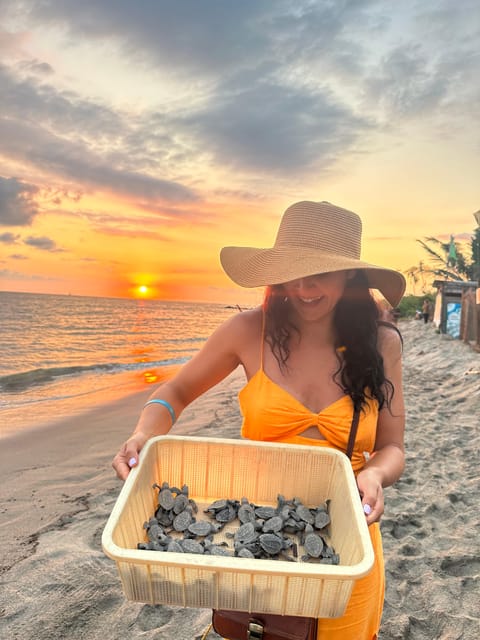
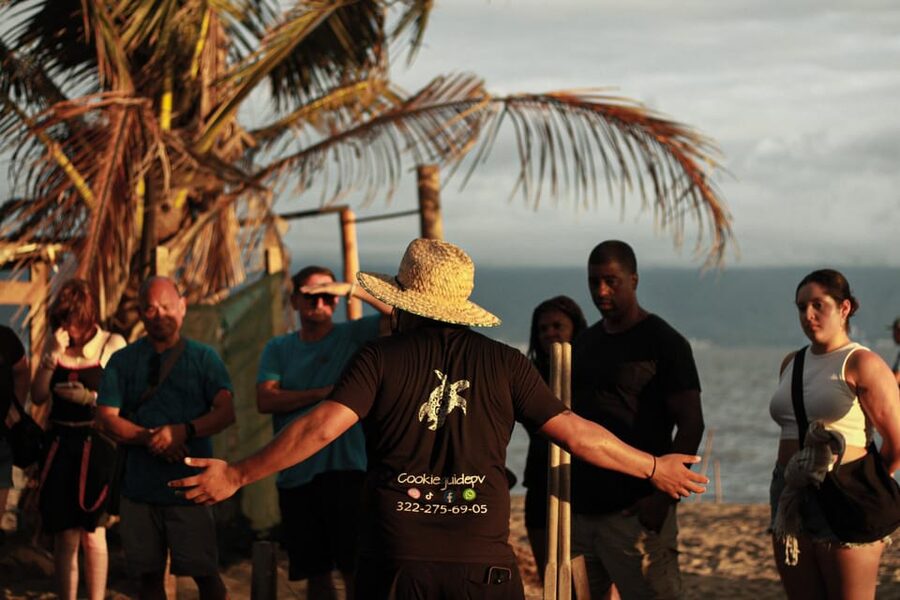
The heart of the educational portion happens at the campsite, where you spend around 45 minutes learning how the program works.
Here’s what you should pay attention to. You learn about the olive ridley turtle life cycle and what staff look for when they search for nests and eggs in the natural nesting area. You also learn the logic behind egg collection and incubation, meaning how eggs are kept safe and prepared until hatching.
This part is valuable because it answers the question people usually don’t realize they have: how does a turtle conservation program actually operate on the ground?
Instead of just learning that turtles are endangered, you learn how nests are located, how eggs are handled, and why timing matters. You also get a clearer picture of how many steps sit between a protected nest and a hatchling making it to the sea.
One more thing I appreciate: the guides, including Eduardo and other named guides like Tony and Carlos in different groups, tend to keep the talk engaging for mixed ages. In one group, the crowd included adults and kids and the energy still stayed focused on the turtles, not on chaos.
Wildlife viewing for 20 minutes, what you’re watching (and what to notice)
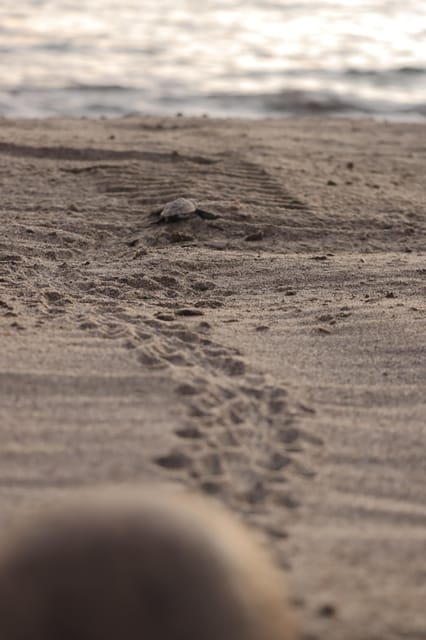
After the classroom style piece, you get about 20 minutes for wildlife viewing. This is your chance to connect the information you just heard to what you can actually see in the area.
Even if you do not spot a lot right away, watch the way the conservation workers scan and move. The program is about details, like where nests might be, how signs are interpreted, and how the team protects the space around the eggs.
This short viewing window also helps you shift into release mode without feeling like you skipped the learning. You’re not just waiting for hatchlings like they’re a show. You’re watching nature while understanding the conservation context.
More turtle snorkels across Puerto Vallarta, same treatment
- Release of Sea Turtles in Camp Tortuguero★ 5.0 · 124 reviews
- Puerto Vallarta: Baby Turtle Release in Conservation Area★ 4.8 · 110 reviews
The sunset over the bay, then the baby turtle hatch and release moment
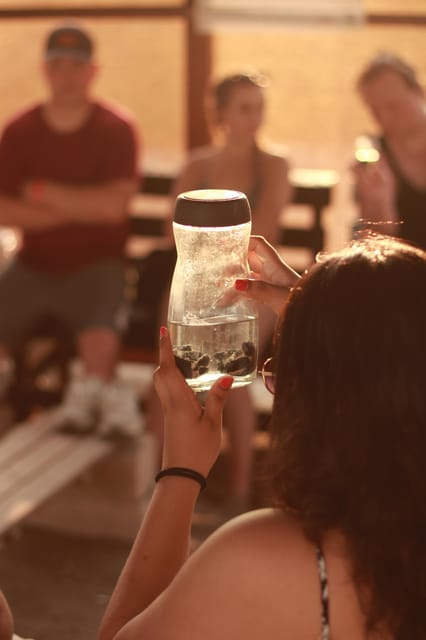
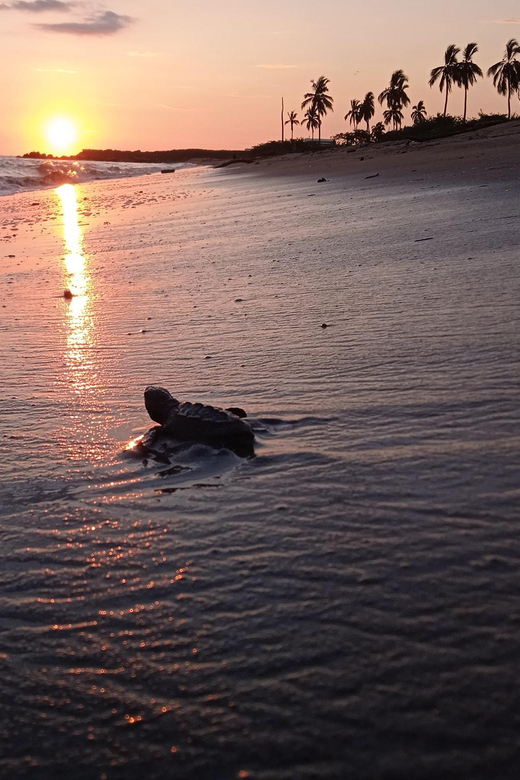
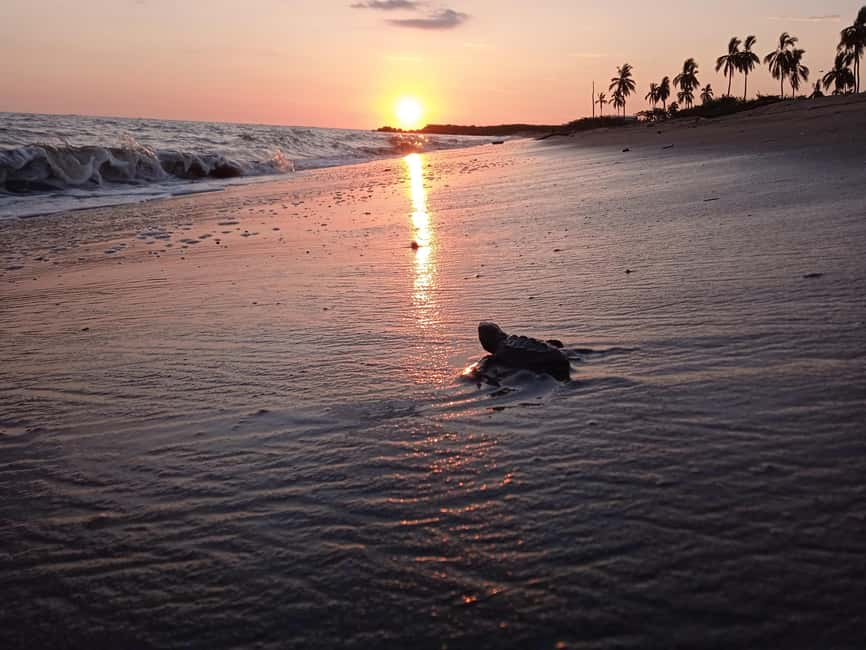
This is the part most people remember first, and for good reason. As the light shifts toward sunset, you get a scenic view over the bay. Against that backdrop, you watch the magical natural spectacle of baby turtles hatching and moving toward the ocean.
When hatchings happen on the same day as your tour, you get the full experience. Several past guests noted that they got lucky and the hatchlings were ready during their scheduled time. If you do not get hatchlings that day, the operator typically offers a chance to reschedule or cancel, based on what happens.
For many participants, the release moment becomes emotional in a quiet way. In reviews, people mention naming the hatchling and saying a prayer or making a wish before letting it head to the water. It’s a small ritual, but it adds meaning to what you are doing, especially after you learned the background.
Practical note for your camera brain: you’ll be tempted to film constantly. Try to set the phone down during the actual release. You’ll remember the feeling more than the footage.
Photos and what you might want to plan for
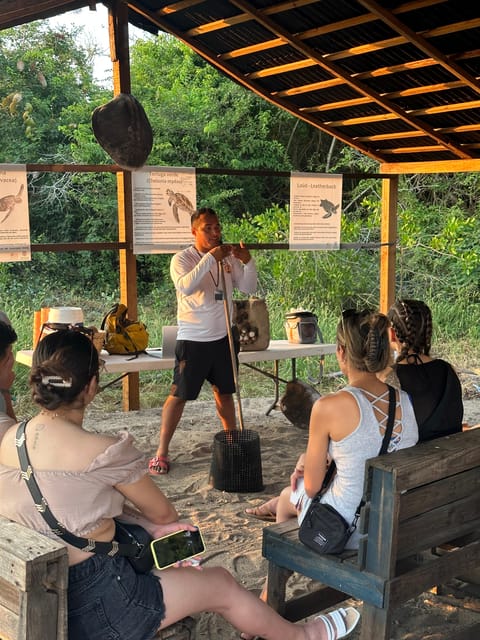
Photos are included, and there is a photographer on site. The idea is simple, you get pictures of the moment, and you can focus on being present instead of disappearing behind your screen.
A couple of practical realities to keep in mind:
- You’ll likely receive a link to view images after the experience.
- Some guests noted that if you want to keep or purchase the photos, there can be an additional step.
So, if you care about owning the photos later, be ready for that extra decision point. If you just want proof you were there, you may be fine with the free viewing link and call it a day.
Either way, the photos feel worth it because the release is fast. It’s hard to capture what matters unless you’ve trained your hands to stop filming and start watching.
Price and value, is $40 really fair for turtle conservation?
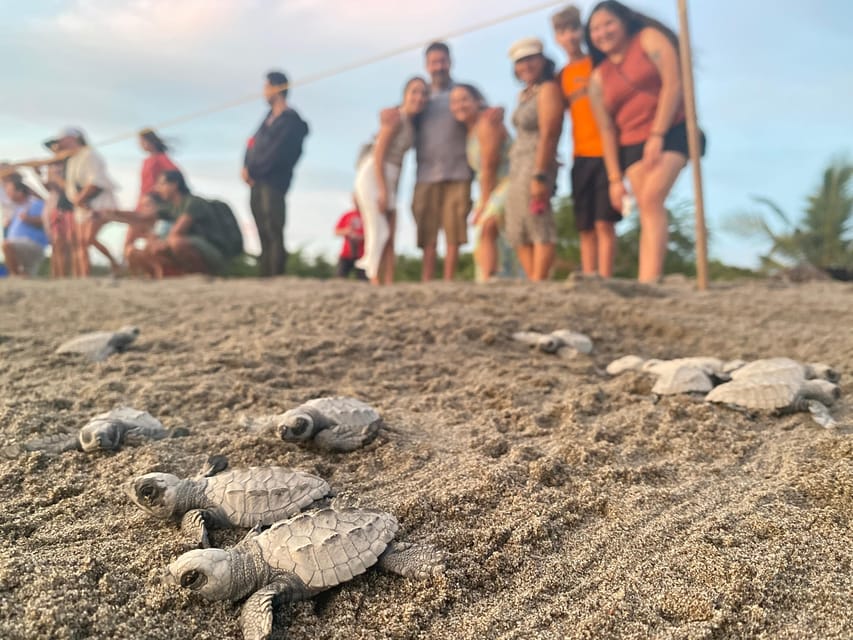
At $40 per person for about 2.5 hours, this is not a cheap souvenir tour. It also is not priced like a luxury experience. It sits in the category of ticketed activities that aim to support a mission, not just sell thrills.
What you get for the price:
- A live guide
- The turtle release experience
- A demonstration of nest and egg collection
- Water
- Photos
You also get something harder to measure: credibility. When a program shows you nest searching, egg incubation, and the release sequence, you can understand what your money supports. It feels less like watching conservation from the sidelines and more like stepping into the process.
Several guests also recommended adding a donation if you can. That’s optional, not stated as required here, but it matches the logic of helping a conservation site cover ongoing work.
If your goal is a calm, meaningful wildlife moment, this is one of the better values in Puerto Vallarta for your time.
What to bring, what not to bring, and how to avoid a miserable evening
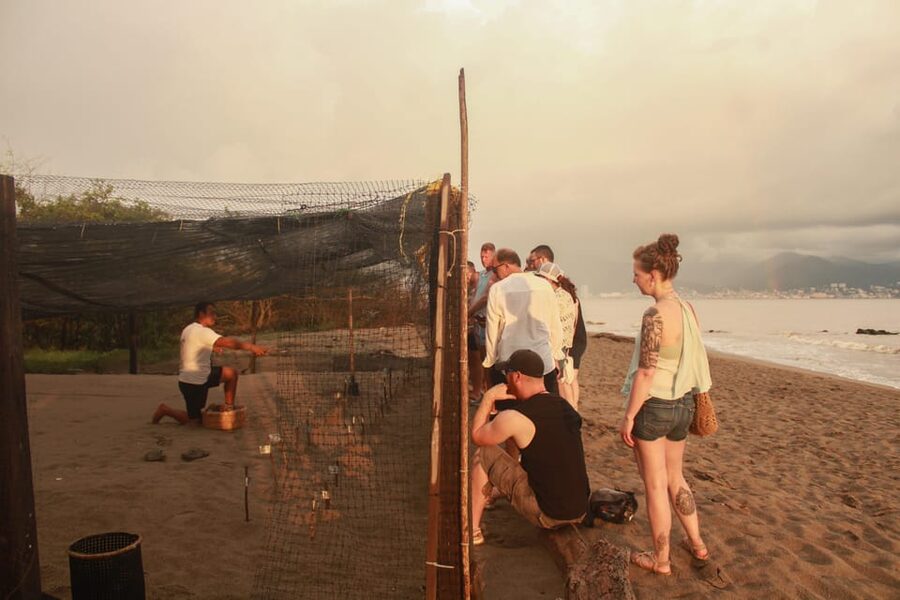
Pack for outdoors and evening conditions. You’re walking a short distance, sitting or standing for learning, and spending time near sand during sunset.
Bring:
- Biodegradable sunscreen
- Insect repellent
- Comfortable clothes
Not allowed:
- Drones
- Alcohol and drugs
One review mentioned that rain gear was provided when the weather turned stormy, and conditions passed quickly. Still, don’t rely on that. If you see clouds building, pack accordingly.
Also, this tour is on foot. It can be a short walk, but if you have low fitness, you should think carefully before booking. The experience is not described as suitable for people with mobility impairments, wheelchair users, or people with certain respiratory issues or animal allergies.
Who should book the turtle release, and who should skip it
This is a great fit for you if:
- You like real conservation education, not just sightseeing
- You want a hands on moment that you understand, step by step
- You can handle being outdoors in the late day for about 2.5 hours
Families can work well, but pay attention to age rules. Children under 5 do not have to pay for a ticket, but they can only observe the turtle release without participating.
It’s also a good match if you care about language support. The tour guide is offered in English and Spanish, which helps a lot when you have mixed groups.
If you have high blood pressure, respiratory issues, a strong animal allergy, or mobility limitations, the tour is not listed as suitable. In that case, you might want to choose a different wildlife experience that is easier on your body.
Should you book the Baby Turtle Release in Puerto Vallarta?
Book it if you want a conservation grounded experience with real education, a sunset setting, and a release moment that feels meaningful because you understand the work behind it.
I’d hesitate only if:
- You cannot handle the possibility that no turtles hatch on your reservation date, and rescheduling would be a problem.
- You know you are going to struggle with the outdoors and the on foot portion.
- You have health or allergy concerns that make outdoor wildlife activities harder.
If those are not your situation, this is the kind of Puerto Vallarta activity that leaves you with more than photos. You leave with a mental map of how olive ridley nests are protected, how eggs are incubated, and why that final walk to the ocean is the payoff.
FAQ
How long is the Puerto Vallarta baby turtle release experience?
The tour lasts about 2.5 hours.
Where is the meeting point for the conservation tour?
You meet at the end of Paseo Bocanegra Street. The best access is through the Marina Vallarta area, entering from Albatros Street and crossing Paseo Bocanegra until you reach the end near a golf course, a wall with drawings, and the beach.
What do you do during the 45 minute campsite session?
You learn about olive ridley sea turtles, how conservation workers search for nests and eggs, how eggs are collected and incubated, and how that leads to hatching.
Do guests participate in the baby turtle release?
Yes. The experience includes participating in the release of baby sea turtles into the ocean.
What should I bring with me?
Bring biodegradable sunscreen, insect repellent, and comfortable clothes.
Can children under 5 participate?
Children under 5 do not have to pay, but they can only observe the turtle release. They cannot participate in the release.
What happens if no turtles hatch on the day of my reservation?
If no turtles hatch, you can reschedule or cancel.
Are photos included?
Yes, photos are included. A photographer takes pictures, and you may need to pay extra if you want to keep the photos.
Is transportation included to the conservation area?
No. Transportation is not included. You will access the meeting area and then walk to the conservation area with the group.
More turtle snorkels that made the Puerto Vallarta cut
Further Vallarta outings we have reviewed in Puerto Vallarta
Not quite it? More Puerto Vallarta tours from our review pile
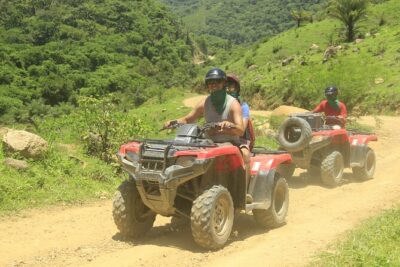
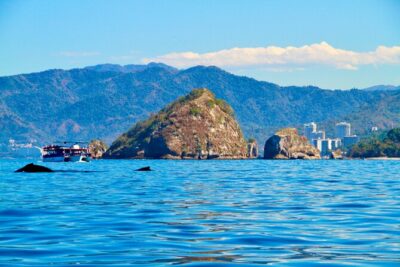
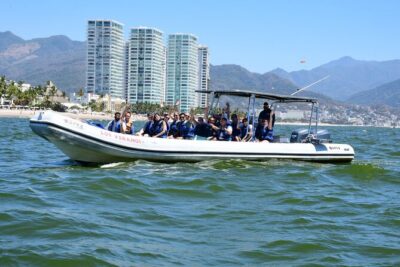

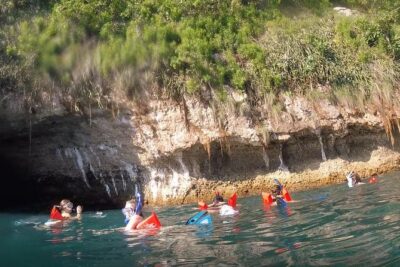
Puerto Vallarta Tours in one list.
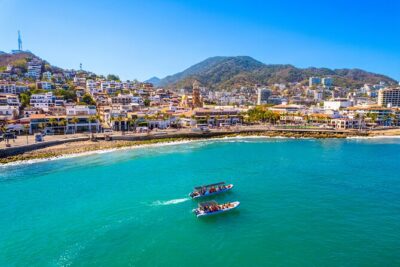 ★ 5.0Puerto Vallarta Best Zipline Canopy + Tequila and Speed Boat RideFrom $1203,786 reviews
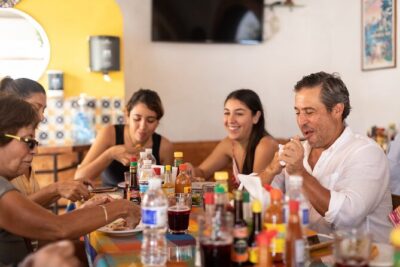 ★ 5.0Winner 2025 Downtown Vallarta Food Tour with Vallarta Food ToursFrom $593,738 reviews
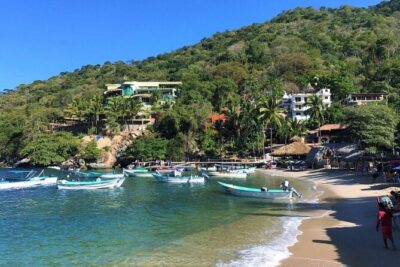 ★ 5.0Outdoor Ziplining, Waterfalls & Speed boat in Puerto VallartaFrom $1291,796 reviews
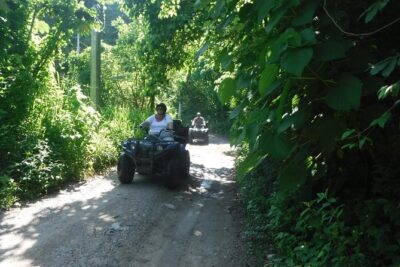 ★ 5.0Private Tour: Puerto Vallarta ATV AdventureFrom $1181,100 reviews
 ★ 5.0Taco Adventure Evening Food Tour with Vallarta Food ToursFrom $55934 reviews
 ★ 5.0Puerto Vallarta’s Best Canopy Zipline + Jorullo Bridge walk!From $58817 reviews
 ★ 5.0Sierra Madre ATV Adventure from Puerto VallartaFrom $81809 reviews
 ★ 5.0Signature Taco Tour in PV with Vallarta EatsFrom $62758 reviews
Where else it sits