
Reviewed · REEF DIVING & PADI COURSES
Open Water Diver course PADI including underwater video
Your first breaths under water feel totally doable. In Playa del Carmen, Diversland turns the PADI Open Water course into a clear, step-by-step skills build, and the underwater video helps you review what you did right with instructors like Andrii and Julia.
I love how patient the teaching feels. You work at your pace, get coached through the theory, and practice until the skills are second nature, with instructors such as Patrick and Serge also popping up in the team. I also love the logistics: hotel pickup and drop-off every day, plus equipment and bottled water handled for you.
One thing to consider is timing and health checks. This is about a three-day sprint, and you must complete a health questionnaire before you get in the water, so if you have any relevant conditions, plan ahead and get a doctor’s input.
In This Review
- Key highlights worth planning around
- Diversland Check-In: Small Group, Big Instruction Time
- The PADI Open Water Course, Broken Into Clear Stages
- Pool Skills First, Then Cenote Sessions in Playa del Carmen
- Open-Water Sessions: From Skills to Real Confidence
- Training Materials You Keep, and the Underwater Video You Get
- Price and Value: Is $480 Worth It?
- Logistics That Make Your Schedule Less Stressful
- Who This PADI Course Suits Best (and Who Might Reconsider)
- Should You Book Diversland’s 3-Day PADI Program?
Key highlights worth planning around
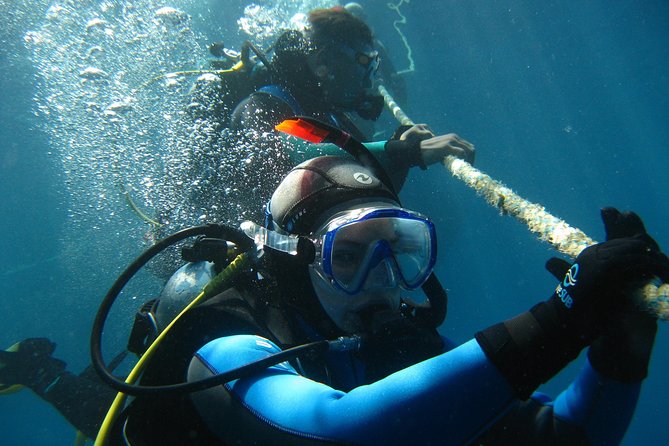
- Two pool sessions, plus four open-water style sessions (two in cenotes and two in open water) for real variety fast
- Hotel pickup from Playa del Carmen, Cancun, and the Riviera Maya so you spend less time wrangling taxis
- Underwater video included, which is rare at this price and great for calming nerves
- Multilingual, professional instruction with a small group cap of 15
- Full certification package included: equipment, fees, digital manual, and the PADI Open Water Diver certification
- No insurance included (optional), so you may want to arrange coverage separately
Diversland Check-In: Small Group, Big Instruction Time
Diversland is set up for a classic beginner goal: get you comfortable, safely, and quickly, without turning your vacation into chaos. The program runs in small groups with a maximum of 15 people, which matters because it keeps instructors from rushing you or spreading attention too thin.
You start in the morning at 8:30 am at Plaza Palmeiras (C. 11 Sur, Ejidal, 77712, Playa del Carmen). If you’re staying in the area, you typically get hotel pickup from Playa del Carmen, Cancun, and the Riviera Maya, and the schedule brings you back at the end of the experience.
One practical detail that makes a difference: the team provides the gear and the basic supplies. When you do not need to worry about tanks, weights, or the right setup, you can focus on one thing at a time, like breathing control and buoyancy.
More reef dives from our Playa del Carmen shortlist
- Discover Scuba Diving & Beach Club with Transportation In Riviera Maya
★ 5.0 · 239 reviews - PADI Discover Scuba Diving Program in the Riviera Maya
★ 5.0 · 67 reviews - PADI Discover Scuba Diving in Playa del Carmen
★ 4.5 · 61 reviews - Cozumel Dive Package – Certified Divers from the Riviera Maya (4 dives)
★ 4.5 · 51 reviews - PADI Open Water Diver Course in the Riviera Maya
★ 5.0 · 47 reviews
The PADI Open Water Course, Broken Into Clear Stages
This is the PADI Open Water Diver course, the entry-level certification that lets you dive up to 18 meters once you’re certified. The course is built from three connected parts, which is exactly what you want as a first-timer.
1) Knowledge development (before and during training)
You handle the theory through online study, independent study, or a classroom option. You then move into hands-on skills with a baseline understanding of scuba principles, safety, and what to expect in the water.
2) Skill practice in confined water
You start in a pool or shallow, controlled water to learn the basics. This is where you build muscle memory for core movements and comfort skills.
3) Open-water skills application
After pool confidence, you use those skills during the open-water portion so it feels more natural than drills in a pool.
What I like about this structure is that it does not treat the pool as a one-time checkbox. The program includes multiple water sessions, and the instruction is paced toward comfort. Several students highlight that instructors repeat theory, quiz you along the way, and adjust coaching when nerves show up. That pattern is what keeps “I hope I can do this” from turning into “I am guessing my way through.”
Pool Skills First, Then Cenote Sessions in Playa del Carmen
Your first big milestone is those initial pool sessions. Expect to practice the basics with an instructor supervising closely, with the goal of making you calm in controlled conditions. If you are worried about being overwhelmed, this is where you should feel the shift from fear to focus.
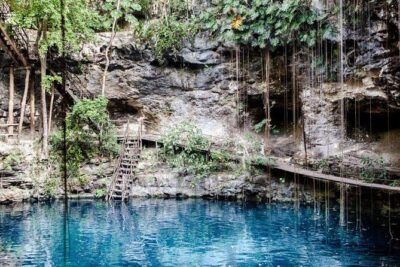
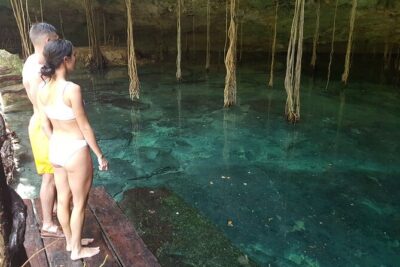
Then comes the cenote portion. Cenotes are one of the reasons people pick Playa del Carmen for training. They can feel like a different world, but the key for you is that cenotes are still structured training environments, not random sightseeing.
In this program you do two cenote water sessions, which is perfect for beginners because it gives you repetition and a chance to apply what you learned in the pool. You learn to manage buoyancy and breathing while dealing with real-world factors like changing visibility and depth cues. You also get practice staying calm when things feel unfamiliar.
One funny, memorable thread from past students is how instructors sometimes point out wildlife during local outings, including a mention of Pancho the crocodile in the cenote area. Even if you do not see anything dramatic, it signals the same thing: the team knows these waters and keeps the experience friendly, not robotic.
Open-Water Sessions: From Skills to Real Confidence
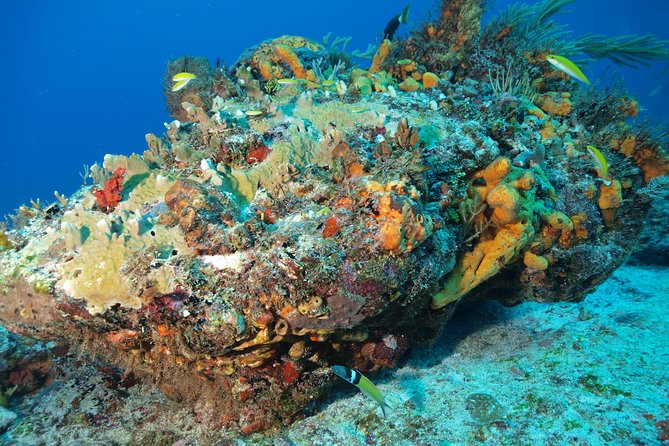
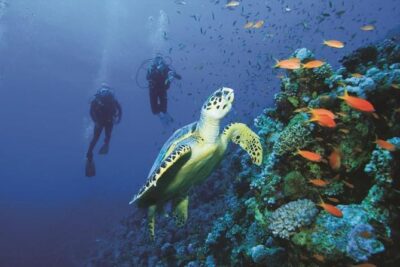
After pool comfort and cenote repetition, you finish with two open-water sessions. This is the part that makes the certification feel real, because it is where your skills meet open water conditions rather than a pool wall or a cenote ceiling.
If you get anxious easily, this is still a good choice. Many students specifically mention that instructors stay close, coach you through what to do, and keep you feeling safe even if conditions are less than perfect. One student even noted the team still managed to run the course despite rough weather, which is encouraging because weather can happen in the Caribbean.
What to watch for in open water is the same stuff you practiced early: breathing rhythm, controlled movement, and buoyancy. You are not expected to become a performance athlete. You are expected to perform the skills safely under supervision. That is the difference between “cool vacation activity” and “real certification training.”
Training Materials You Keep, and the Underwater Video You Get
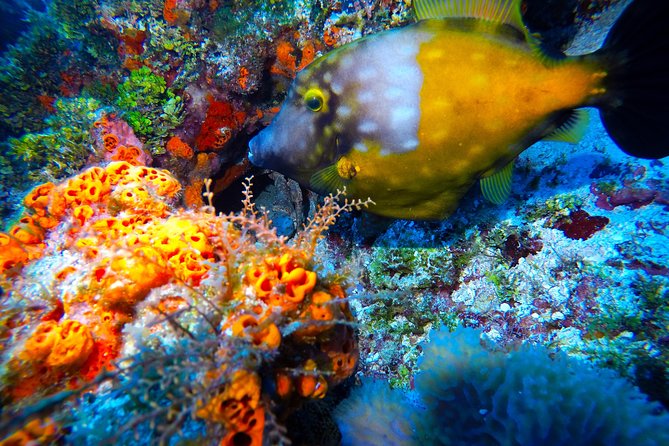
A good course does not just end with a stamp. It should give you tools for remembering what to do next time.
Here, the included package covers:
- a digital manual
- equipment for the training
- a professional underwater video record
The underwater video is a big deal for first-timers. It helps you catch habits you might not notice in the moment, like posture, hand position, or how you move through the water column. For nervous students, seeing yourself after the fact often turns the experience from a blur into something you can learn from.
Also, you are not scrambling for add-ons. The program includes all fees and taxes and includes the PADI Open Water Diver certification. For many people, that is where the “value” comes from. You pay once, and the course does what it says it will do.
- From Playa del Carmen ATV Adventure with Ziplines, Cenote★ 5.0 · 2,041 reviews
- VIP Chichen Itza Private Tour★ 5.0 · 1,782 reviews
- Playa del Carmen Buggy Tour with Cenote Swim and Mayan Village Visit★ 5.0 · 1,747 reviews
- Playa del Carmen Walking Food Tour★ 5.0 · 1,274 reviews
- Jungle Buggy Tour from Playa del Carmen Including Cenote Swim★ 5.0 · 1,253 reviews
- Hidden Cenote Swim: Snorkeling, Sea Turtles and Beachside Lunch★ 5.0 · 1,222 reviews
- Full Day Tulum Ruins Tour Cenote and Swimming with Sea Turtles★ 5.0 · 1,171 reviews
Price and Value: Is $480 Worth It?
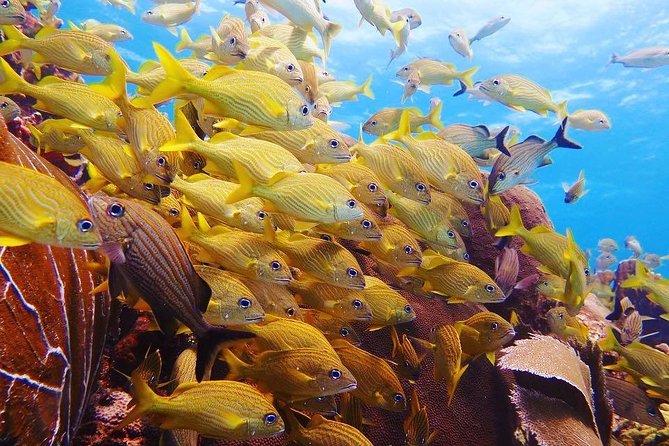
At $480 per person for about three days, this is a straightforward package price. The smart way to judge it is not just the sticker, but what you are getting inside.
You are already covered for:
- hotel pickup and drop-off
- the full certification process (including fees and PADI certification)
- equipment
- the digital manual
- underwater video
- bottled water
That is a lot of the typical hidden costs built into the total. If you have ever tried to piece together training and realize you still have to pay separately for gear, fees, and local logistics, this pricing structure will feel refreshing.
Where you should spend a little extra attention is what is not included. Diving insurance is optional, which means you may want to arrange coverage yourself depending on your plans and existing policy.
Also keep in mind the practical reality of timing: this experience is commonly booked about 30 days in advance. If you’re traveling in peak season or you want a specific start date, do not wait until the last week.
Logistics That Make Your Schedule Less Stressful
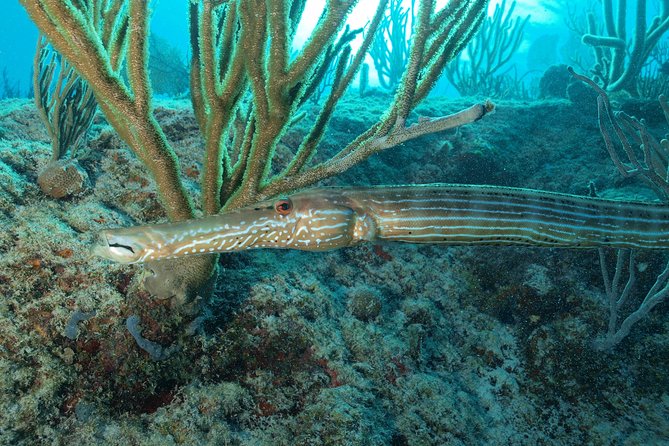
This course is built around a daily pickup and a consistent start time. That matters more than it sounds. A 8:30 am start means you should plan for an early morning. If you are coming from a far hotel zone, pickup saves time and headaches.
Your meeting point is fixed at Plaza Palmeiras, and the experience ends back at the meeting point. That keeps it simple if you like knowing where you will be at the end of the day.
The group size cap of 15 also affects the flow. Smaller groups typically mean you are more likely to get real coaching and less waiting around.
English is offered, and the instructor is described as professional and multilingual. In real terms, that means you should be able to ask questions and get direct answers, especially during skills practice and theory checks.
Who This PADI Course Suits Best (and Who Might Reconsider)
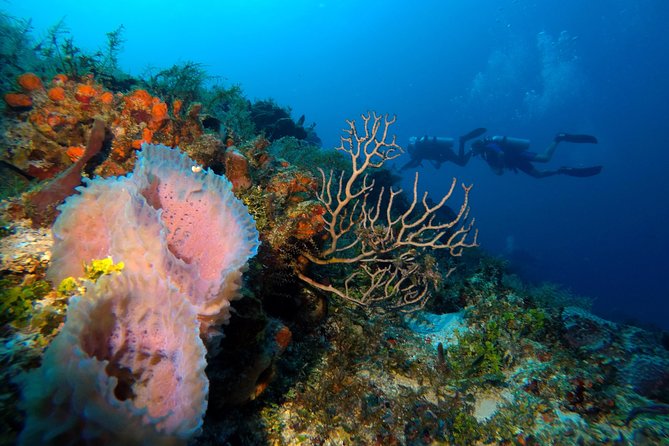
This course fits most travelers, with a minimum age of 10 years. If you’re an adult first-timer, the format is ideal because it mixes theory, pool skills, cenote practice, and open-water sessions across about three days.
It may be a less ideal choice if you:
- have conditions that might prevent safe participation (the program requires a health questionnaire, and asthma or heart conditions are explicitly noted as examples that may stop you)
- plan to fly within 24 hours before training, because diving within that window is not recommended
If you have any medical concerns, bring them up early. A quick consult with your doctor before you book is worth it, because the cost of course fees is still your money, even if training gets adjusted or cancelled for safety reasons.
Should You Book Diversland’s 3-Day PADI Program?
I would book it if you want a structured start, clear coaching, and a certification path that does not feel like guesswork. The biggest reasons are the included package and the teaching style people consistently describe: patient instruction, practical practice time, and instructors who prioritize safety and comfort. Names that stand out from the team include Patrick, Julia, Serge, Andrii/Andrey, and Demitre, which is a good sign that you are not getting a rushed assembly line.
I would pause if you know you have anxiety about tight schedules or you have medical questions. This is a three-day push and it requires the health questionnaire before you enter the water. If you’re unsure, check with your doctor and plan your timing around the 24-hour flying guidance.
If you are ready for a real certification process in a beautiful area, Diversland’s PADI Open Water course is a strong, well-rounded choice, with underwater video and hotel pickup that make it easier than most DIY setups.
The rest of our reef dives in Playa del Carmen
Not quite it? More Playa del Carmen tours from our review pile

Reef Diving & PADI Courses in one list.
 ★ 5.0Discover Scuba Diving in Cozumel Paradise Reef686 reviews
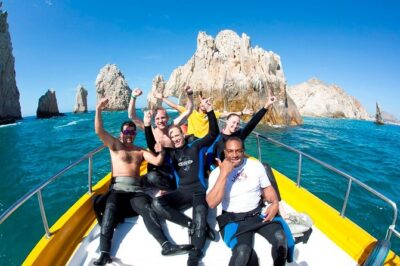 ★ 5.02-Tank Scuba Dive in Cabo San Lucas Reserve for Certified DiversFrom $138263 reviews
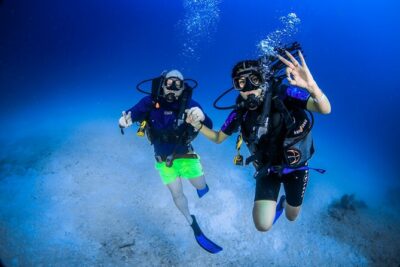 ★ 5.0Discover Scuba Diving & Beach Club with Transportation In Riviera MayaFrom $150239 reviews
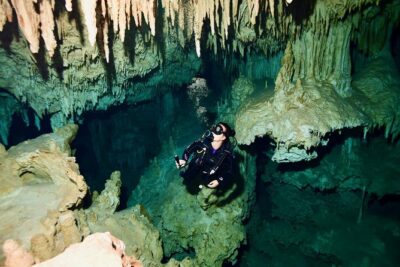 ★ 5.02 dives in Cenote Dos ojos Certified DiversFrom $200227 reviews
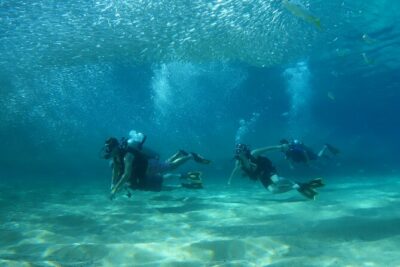 ★ 5.0Private Dive Boat for Certified Divers – Cabo San LucasFrom $545210 reviews
 ★ 5.03-Tank Scuba in Marine Reserve and Corridor for Certified DiversFrom $210196 reviews
 ★ 5.02 Tank Dive – Certified Divers (Santa Maria Bay & Chileno Bay)From $140162 reviews
 ★ 4.5Learn to Scuba Dive in Cabo San Lucas with PADIFrom $129157 reviews
Where else it sits