
Reviewed · TICKETS
Mexico City: Ticket de entrada Museo Memoria y Tolerancia
One museum can change how you see silence.
The Museo Memoria y Tolerancia turns downtown Mexico City into a place for memory, education, and direct reflection, with a permanent exhibition on the Holocaust and other crimes against humanity. Your ticket covers 43 rooms and access to more than 1,200 objects and documents, plus an audioguide in Spanish and English.
Two things I really like: first, the way the museum links history to today, with its mission centered on tolerance and human rights. Second, you do not just read panels, you move through installations and artifacts that make the message feel personal, including major works by sculptor Jan Hendrix. One consideration: the permanent exhibitions are recommended for children older than 15, so plan this as an adult-focused visit if you are traveling with teens.
In This Review
- Key things that make this ticket worth it
- Tickets, time, and what 1 day at Memoria y Tolerancia really means
- Finding the museum fast at Plaza Juárez
- Inside the permanent exhibition: how the message is built
- The Holocaust section and the emotional anchor you should plan for
- Art installations and interactive works: when history becomes personal
- Artifacts that change the temperature of the room
- Temporary exhibitions: use them to round out the story
- Practical tips for your route through 43 rooms
- Who should buy this ticket (and who might feel out of place)
- Price and value: why $13 feels like a bargain here
- Should you book the Museo Memoria y Tolerancia ticket?
Key things that make this ticket worth it
- Holocaust and multiple genocides, with a clear warning about indifference, discrimination, and violence
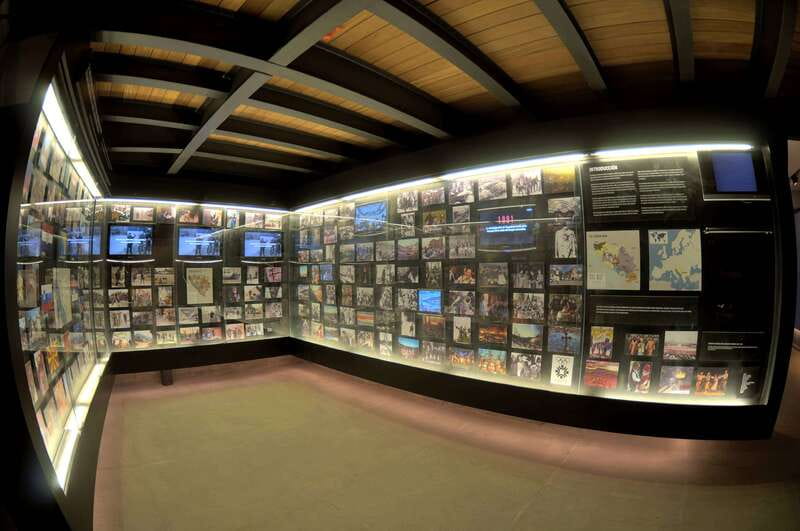
- 43 rooms and 1,200+ objects and documents, so you get more than a quick overview
- Major art installations by Jan Hendrix, Jorge Marin, Rivelino, and Carl Fredrik Reuterswärd
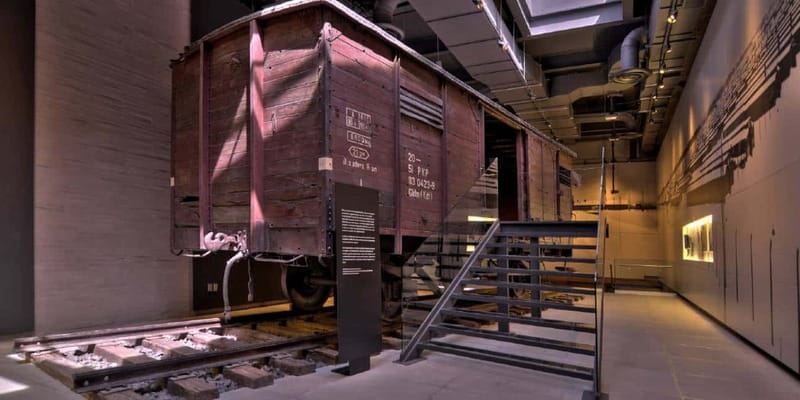
- Hard-hitting artifacts, including a WWII prison-transfer train wagon and a Berlin Wall fragment
- Audioguide in Spanish and English included with admission
- Temporary exhibitions are included, so you are not locked into only the permanent galleries
Tickets, time, and what 1 day at Memoria y Tolerancia really means
This is a 1-day ticket for the Museo Memoria y Tolerancia in Mexico City (State of Mexico area). The price is about $13 per person, which is excellent value when you consider what you are actually entering: a large permanent exhibition that spans 43 rooms and includes more than 1,200 objects, documents, and audiovisual pieces. Add in the fact that your entry also covers temporary exhibitions, and you get a full program rather than a short exhibit.
That 1-day window matters because this museum is not a “blink-and-you-miss-it” stop. Plan for a slow, thoughtful pace. You will likely want extra time around the sections that hit hardest, especially anything connected to the Holocaust. If your schedule is tight, you can still do it, but you will feel rushed. This is the kind of museum where stopping to read one more panel can change how the next room lands.
One practical note: food and drinks are not allowed inside. That affects your timing more than you might expect. Decide where you will eat before you go, then treat the museum as a focused block of your day.
More city circuits across Mexico City, same treatment
- Mexico City: Teotihuacan, Tlatelolco & Guadalupe Shrine Tour
★ 4.6 · 3,773 reviews - Teotihuacan Hot Air Balloon Flight from Mexico City / Volare
★ 5.0 · 3,262 reviews - Teotihuacan Private Tour from Mexico City
★ 5.0 · 1,890 reviews - Historic Center Food Tour in Mexico City
★ 5.0 · 1,263 reviews - The best tour to Teotihuacán from Mexico City
★ 5.0 · 1,236 reviews
Finding the museum fast at Plaza Juárez
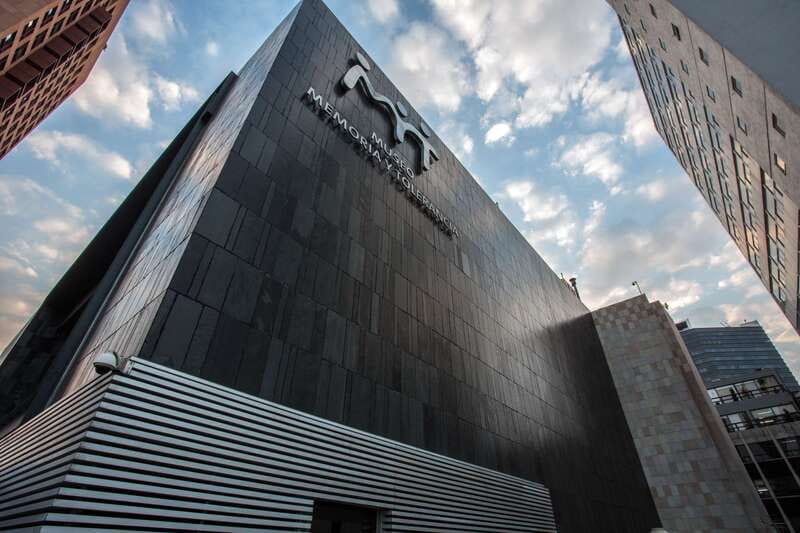
The museum’s location is easy to spot once you know the landmarks: Plaza Juarez in downtown Mexico City, next to Secretaría de Relaciones Exteriores, and in front of the Hemicycle to Juarez. For me, that’s a big plus because you can orient yourself quickly, even if you are new to the area.
When you arrive, give yourself a little time to check you are at the right building entrance for ticket entry. After that, the museum flow is your main job. You are not here for a checklist of five highlights. You are here for a journey through rooms, objects, and art.
Wheelchair access is also listed as available, which makes a difference if you need it for your day. If mobility is a factor, I’d still plan extra time because a museum like this often rewards you with patience at each installation and exhibit station.
Inside the permanent exhibition: how the message is built
The permanent exhibition is the heart of the experience. The museum’s mission focuses on historical memory, especially the Holocaust, and it also addresses other crimes against humanity, including the Armenian genocides, Rwanda, Guatemala, Cambodia, Darfur, and Yugoslavia.
What makes this approach valuable is that it does not treat these events as isolated tragedies trapped in the past. The museum connects them through a theme: the danger of indifference, discrimination, and violence. In practice, that theme shows up as you move from room to room. You begin to notice patterns in how societies allow cruelty to happen, then you are pushed toward the museum’s “tolerance” idea in a very direct way.
You’ll also see how the museum connects memory to action. The goal is not only to inform you, but to inspire social change, respect for human rights, and a culture of peace. That is a big promise for any museum. Here, it is supported by the mix of documents, artifacts, and art installations that keep pulling you back to the same central warning.
The Holocaust section and the emotional anchor you should plan for
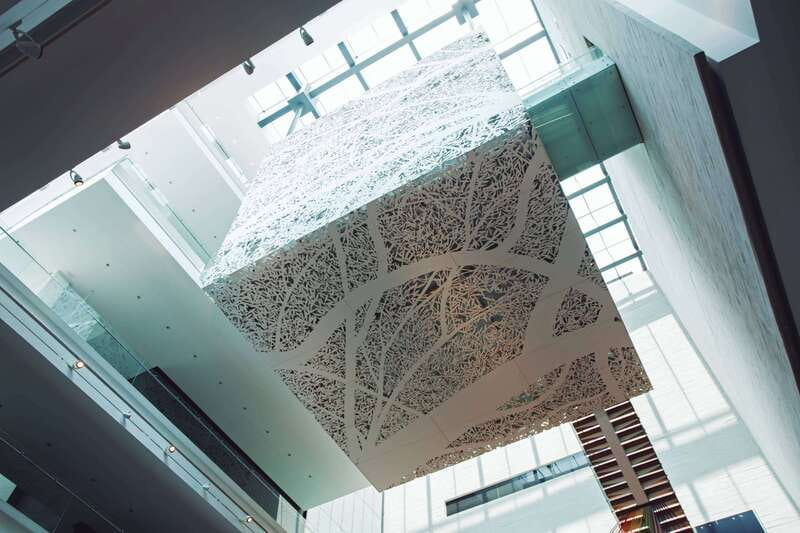
A standout element is the permanent focus on the Holocaust and genocide, including an Anne Frank exhibit that many people find especially moving. Even if you think you already know the basics, museums like this matter because they help you read the past with more context and more specificity. You are not just looking at history, you are seeing how it is recorded, preserved, and taught.
I’d treat this part like your emotional anchor. Do not schedule it too close to a train, a dinner reservation, or a next-day commitment that you have to rush toward. Give yourself space to absorb, because the museum’s subject matter is heavy by design.
And because the museum is a benchmark for memory and tolerance, you will feel a strong educational structure. The message is meant to stick, not just pass through your eyes.
Art installations and interactive works: when history becomes personal
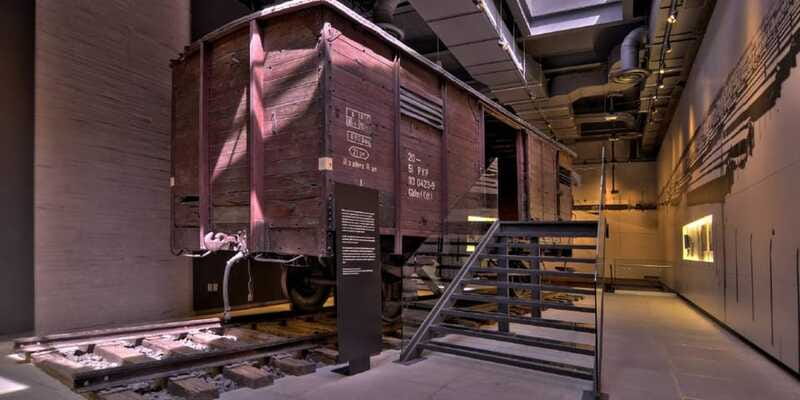
One of the most memorable ways this museum communicates is through installation art. These pieces take abstract ideas like tolerance, non-violence, and human responsibility and turn them into something you experience with your body and attention.
Here are some of the installations and artworks you can expect, based on what the museum displays:
- Lost Potential by Jan Hendrix, plus Cube by Jan Hendrix
- Metronomes by Lozano-Hemmer
- The Wings of Peace, a sculptural and interactive work by Jorge Marin
- YOU, a sculptural and interactive work by Rivelino
- Non-Violence Project, a sculpture by Carl Fredrik Reuterswärd
- Fragment of the Berlin Wall
I love this kind of museum design because it avoids the trap of becoming only informational. You can stand in front of a document and learn facts, then walk into an installation that nudges you to think about what those facts mean for people in the present. The interactive elements are especially useful if you find yourself skimming when you are overwhelmed. They force you to slow down, make a choice, and re-read the theme from a different angle.
Also, these works add variety. A museum about genocide can feel like a nonstop emotional weight. The installations give your brain a different pathway while still keeping the topic serious.
Here are other entry tickets we have been through in Mexico City
- Lucha Libre Tickets & Tacos & Beer & Mezcal – BEST NIGHT EVER!★ 5.0 · 1,077 reviews
- Frida Kahlo VIP [Museum Tickets Included] Bike, Markets & Churros★ 5.0 · 1,072 reviews
- Frida Kahlo VIP [Museum Tickets Included] Walk, Markets & Churros★ 5.0 · 982 reviews
- Mexico City: Frida Kahlo Museum Entry Ticket w/Digital Guide★ 4.5 · 683 reviews
- Mexico City: Anthropology Museum Skip-the-Line Ticket★ 4.4 · 502 reviews
- Frida Kahlo and Anahuacalli Museums Ticket with Digital Guide★ 3.5 · 164 reviews
- Mexico City: Chapultepec Castle Skip-the-Line Ticket★ 3.8 · 122 reviews
Artifacts that change the temperature of the room
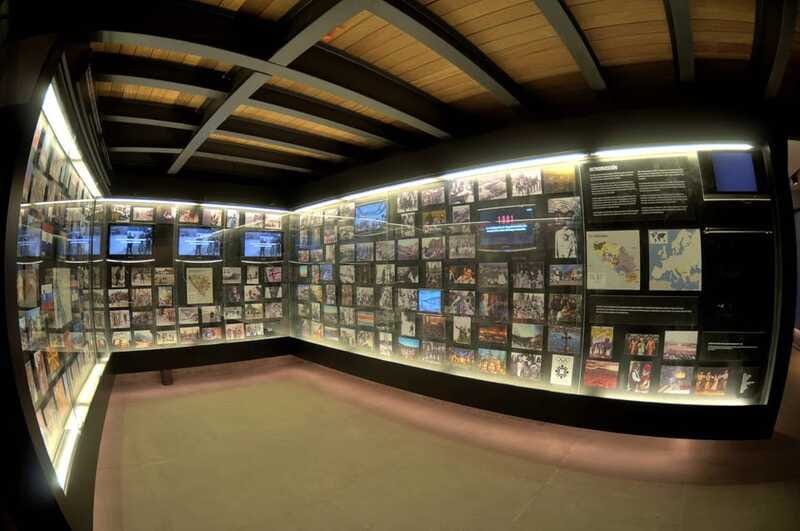
This museum also includes physical artifacts that make the past feel disturbingly real. Two that matter a lot are:
- A train wagon used in World War II for the transfer of prisoners
- A Fragment of the Berlin Wall
These are not just “interesting objects.” They are concrete proof of how systems moved people through machinery. In a museum focused on tolerance, that realism is part of the lesson. When you see something like a prison-transfer train wagon, you understand how persecution was organized, not just that it happened.
You’ll also encounter more traditional historical media throughout the permanent rooms, including documents and audiovisual pieces along with the large number of objects. That mix matters because it supports different learning styles. If you absorb best through text, you’ll find plenty. If you learn through visual material and audio, the museum includes that too.
If you come in with an open mind, this blend is powerful. If you come in expecting something light, you will not enjoy it. This is a human rights museum, and it is built for truth.
Temporary exhibitions: use them to round out the story
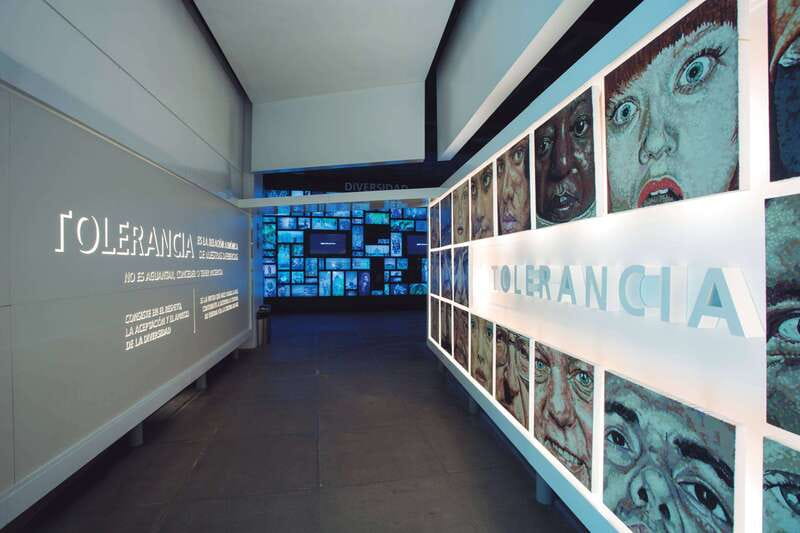
Your ticket includes access to temporary exhibitions as well as the permanent galleries. The main value of including temporary work is balance. Permanent exhibitions give you structure and the core theme. Temporary shows often add new perspectives, new research angles, or different artistic approaches to the same questions.
How you handle this depends on your energy level. If you are feeling emotionally tapped out after the permanent rooms, treat the temporary exhibition as optional. You are not failing if you skip it. But if you still have attention left, those extra exhibits can help you leave with a broader sense of what tolerance and human rights look like in different forms.
Practical tips for your route through 43 rooms
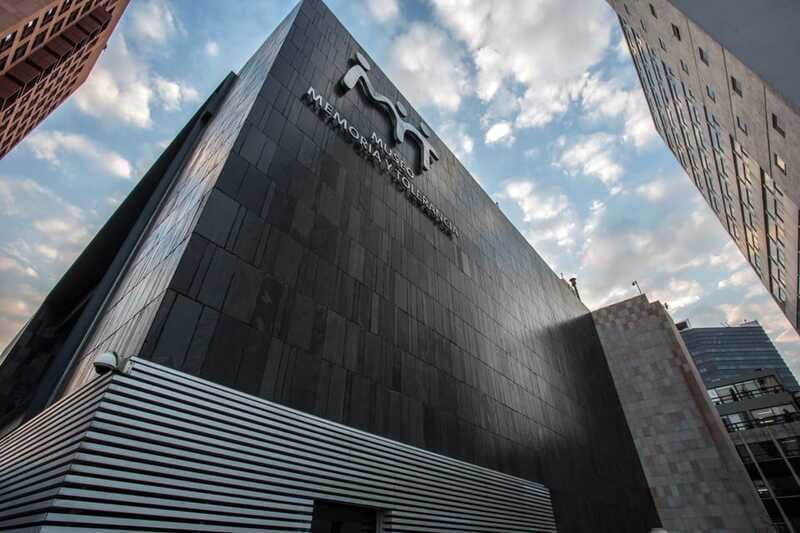
The museum has a lot of content. Here’s how I’d make it manageable so you actually remember it.
First, pick a realistic pace. With 43 rooms, you cannot read everything word-for-word without spending half your day. On the other hand, if you sprint, you lose the emotional structure the museum is building. I suggest you aim to slow down for the most important anchors: the Holocaust and genocide sections, the installations that feel interactive, and the standout artifacts like the train wagon and Berlin Wall fragment.
Second, use the audioguide strategically. You get it in Spanish and English, and that can save you from wandering with no context. If you are comfortable in English, I’d listen in that language for the first half so the themes become clear. Then you can switch or stick with one language for consistency.
Third, plan breaks outside the exhibit areas. Since no food and drinks are allowed, you should be thinking about your meals before and after your museum time, then save your energy for what’s inside.
Finally, know your audience limits. The museum states the permanent exhibitions are recommended for children older than 15. If you are visiting with younger kids, you might have to shorten your visit or focus on more age-appropriate parts. This is not a babysitting museum.
Who should buy this ticket (and who might feel out of place)
This ticket is best for you if:
- you want a serious museum experience that connects past genocide to present-day tolerance and human rights
- you appreciate installations that combine art and education
- you like structured exhibits with objects, documents, and audiovisual elements
- you are traveling with teens who are ready for heavy topics
You might want to think twice if:
- you are looking for a light, quick cultural stop
- you are uncomfortable with emotionally intense historical subject matter
- you are traveling with children under 15 who are not ready for the tone of the permanent exhibitions
Where it really shines is for independent travelers who can handle self-paced exploring. There is also value for group settings because the museum’s theme is clear and guided by its design.
Price and value: why $13 feels like a bargain here
At around $13 per person for a 1-day ticket, the value is strong. You are paying for more than a small exhibit. You get a large permanent exhibition across 43 rooms with 1,200+ objects and documents, plus audiovisual material and temporary exhibitions. You also get an audioguide in Spanish and English.
In many museums, audioguides cost extra, and temporary shows require separate tickets. Here, they are part of the package. Add the emotional and educational weight of the content, and it becomes an unusually cost-effective way to spend a day in Mexico City with real substance.
Should you book the Museo Memoria y Tolerancia ticket?
Book it if you want a meaningful day in Mexico City that goes beyond surface-level history. The permanent exhibition structure, the focus on Holocaust and multiple genocides, and the way art installations like Lost Potential and Non-Violence Project turn ideas into lived experience make this museum feel complete.
Skip or reconsider if you need something casual, fast, and cheerful. This museum is built to ask hard questions about human behavior, discrimination, and violence.
If you are on the fence, here’s your simple test: if you can handle heavy topics and you want your visit to leave you thinking about tolerance and human rights, this ticket is a solid yes. If you want a relaxed afternoon, choose a different stop.
Keep comparing entry tickets across Mexico City
More city circuits that made the Mexico City cut



Not quite it? More Mexico City tours from our review pile



Tickets in one list.
 ★ 4.5Xcaret Park Entry Tickets with Cultural Night Show IncludedFrom $1132,382 reviews
 ★ 5.0Tour to Chichen Itza-Tickets, food and cenoteFrom $921,479 reviews
 ★ 4.5Cirque du Soleil JOYÀ Admission TicketsFrom $801,294 reviews
 ★ 5.0Lucha Libre Tickets & Tacos & Beer & Mezcal – BEST NIGHT EVER!From $841,077 reviews
 ★ 5.0Frida Kahlo VIP [Museum Tickets Included] Bike, Markets & ChurrosFrom $831,072 reviews
 ★ 4.5Xel-Ha Park Admission TicketsFrom $82970 reviews
 ★ 4.5Mexico City: Frida Kahlo Museum Entry Ticket w/Digital GuideFrom $34683 reviews
 ★ 4.5Xel-Ha Tickets with Transportation includedFrom $114620 reviews
Where else it sits