Reviewed · MEXICO
Learn to Cook Mexican Salsas
Tacuba is the kind of neighborhood where salsa feels real, not staged, and this hands-on class helps you connect the flavors to the ingredients. You’ll shop at Tacuba Market for fresh chiles and produce, then cook four salsa styles (raw, fried, boiled, roasted) with a local teacher. I love that you’re not just watching, you’re actively making and tasting your way through the different techniques.
The main thing to think about is spice levels. Salsa can range from mild to seriously hot, so tell your instructor your comfort level early, especially if you’re cooking with kids or anyone sensitive to heat.
In This Review
- Key highlights you should care about
- Tacuba Market, Parroquia San Gabriel Arcangel, and the feeling of “local”
- The market walk: where salsa flavors start
- Four salsa styles: raw, fried, boiled, roasted
- Raw salsa: bright, punchy, fast
- Fried salsa: deeper, rounder, slightly smoky
- Boiled salsa: mellow and unified
- Roasted salsa: char, complexity, and that “this tastes cooked” flavor
- What you eat during class: totopos, jamaica water, and quesadillas
- The cooking space: hands-on, interactive, and built for results
- What you take home: jar of salsa and recipe cards that actually help
- Who this class is best for in Mexico City
- Price and value: is $96 worth it?
- Language, group size, and the small logistics that matter
- Should you book Mexican Salsas in Tacuba?
- FAQ
- How long is the salsa cooking class?
- How many salsas will I learn to make?
- What types of salsa are included?
- What food and drinks are included?
- Is there a vegan option?
- Where do we meet?
- Is this a private experience?
Key highlights you should care about
- Tacuba Market shopping time to pick ingredients and understand what makes salsa taste right
- Four methods of salsa: raw, fried, boiled, and roasted, each with a different personality
- Quesadillas plus totopos to eat what you make, not just sample small bites
- Unlimited agua de jamaica included, a refreshing hibiscus drink that cools things down
- Take-home jar and recipe cards so the class actually sticks with you later
Tacuba Market, Parroquia San Gabriel Arcangel, and the feeling of “local”
This class begins in the Tacuba area, at Parroquia San Gabriel Arcangel on Calz México-Tacuba. The church is steps from the action, and the setting matters because Tacuba feels like a place where people live, not a movie set for tourists. You also get a quick sense of how food traditions are tied to the neighborhood rhythm.
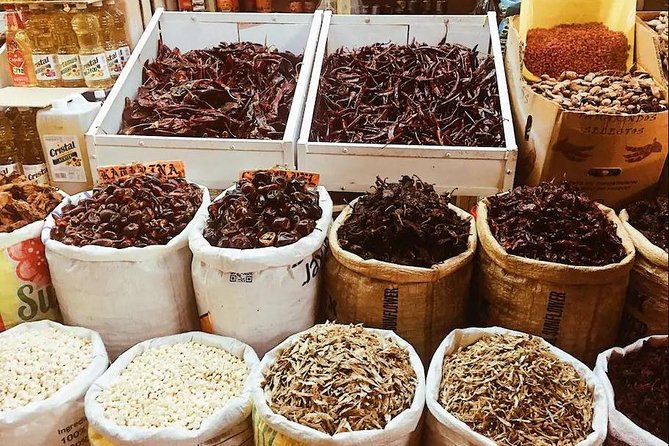
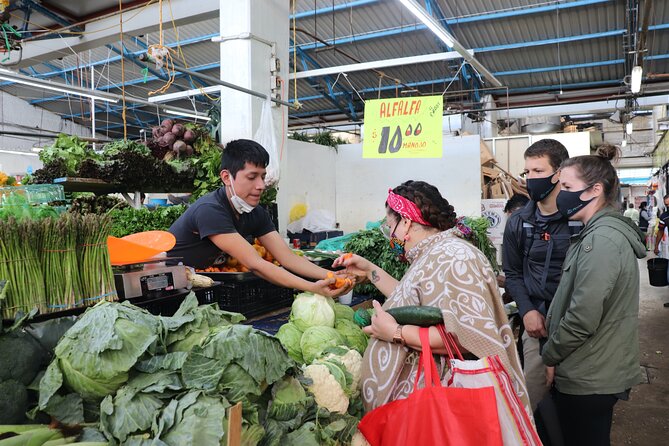
From there, you head to Tacuba Market to buy the ingredients you’ll cook with. That market stop is more than shopping. It’s where you learn what to look for, what smells right, and how ingredients behave once they hit heat.
You should wear comfortable shoes. You’ll do some walking between the church area, the market, and then the cooking space a few minutes away.
Still weighing it up? Here are other tours across Mexico City we have written up in the same detail.
- Teotihuacan, Guadalupe Shrine & Tlatelolco Day Tour with Lunch
★ 5.0 · 11,603 reviews - Xochimilco, Coyoacan and Frida Kahlo with Optional Lunch
★ 4.5 · 7,320 reviews - Balloon flight + Breakfast in cave + Pyramids + Pick up CDMX.
★ 5.0 · 6,335 reviews - Teotihuacan pyramids morning or afternoon without tourist traps
★ 5.0 · 6,186 reviews - Teotihuacan Early Access Guided Tour with optional Lunch
★ 4.5 · 6,138 reviews
The market walk: where salsa flavors start
Your market time is built around ingredients, and that is the part most people remember. You’re not just grabbing random items. You’re getting your hands on fresh produce and chiles that you can actually taste later in your salsa.
A few practical tips you can use during your shopping:
- Pick ingredients with strong aroma, especially for chiles and herbs, because scent is a big part of salsa flavor.
- Don’t fear asking questions about which produce is best for the method your salsa will use. Raw salsas and roasted salsas often start with similar ingredients, but they come alive differently.
- If your group has different heat tolerance, speak up while choosing chiles. It’s easier to adjust early than to fix it after everything is blended.
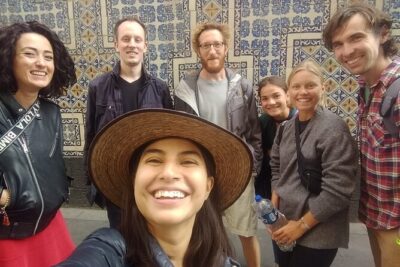
In past classes, instructors like Luis, Jazz, Veronica, Yazmin, and Natalia have guided the process with a hands-on vibe. You might also see teachers doing tastings along the walk, plus little added touches like music or costumes that make the whole thing feel more like a friendly day out than a formal lesson.
Four salsa styles: raw, fried, boiled, roasted
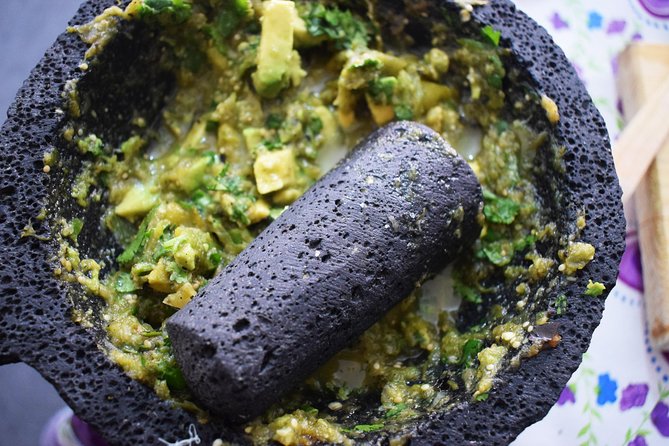
This is the core of the experience. You’ll make salsa in four traditional ways, and each method changes the final taste in a way you can actually feel on your tongue.
Think of salsa as a system, not a single recipe. The same main ingredients can taste completely different depending on how heat touches them. That’s why four methods is such a smart structure for a class.
Here’s what you’re learning in plain terms, plus what it means for your cooking at home.
Raw salsa: bright, punchy, fast
Raw salsa keeps ingredients closer to their fresh flavor. Expect a fresher bite, sharper chile character, and a more immediate taste. Raw methods are also a good lesson in balance, because you can’t rely on simmering to round things out.
Fried salsa: deeper, rounder, slightly smoky
Frying changes everything. Heat brings out sweetness and softens harsh edges. Fried salsa can taste richer and more comforting, even when the chile is still doing its job.
- Teotihuacan, Guadalupe Shrine & Tlatelolco Day Tour with Lunch★ 5.0 · 11,603 reviews
- Xochimilco, Coyoacan and Frida Kahlo with Optional Lunch★ 4.5 · 7,320 reviews
- Balloon flight + Breakfast in cave + Pyramids + Pick up CDMX.★ 5.0 · 6,335 reviews
- Teotihuacan pyramids morning or afternoon without tourist traps★ 5.0 · 6,186 reviews
- Teotihuacan Early Access Guided Tour with optional Lunch★ 4.5 · 6,138 reviews
- Balloon flight + pick up in CDMX + Breakfast in Cave + Pyramids★ 5.0 · 5,651 reviews
- Balloon Flight + Cave Breakfast + Pick Up from CDMX or We Fly★ 5.0 · 4,410 reviews
Boiled salsa: mellow and unified
Boiling is about transformation. It helps ingredients meld together and can make the salsa feel smoother and more cohesive. If you’ve ever had salsa that tastes like it has grown into itself, boiled salsa is often a big reason why.
Roasted salsa: char, complexity, and that “this tastes cooked” flavor
Roasting builds depth. You get a mix of sweetness and char flavors, and the aroma becomes a major part of the experience. Roasted salsa tends to taste more complex, and it’s a great method to learn if you usually rely on store-bought sauces at home.
What you eat during class: totopos, jamaica water, and quesadillas
This isn’t a classroom where food is an afterthought. You’ll eat in the middle of learning, which is exactly what helps you understand salsa.
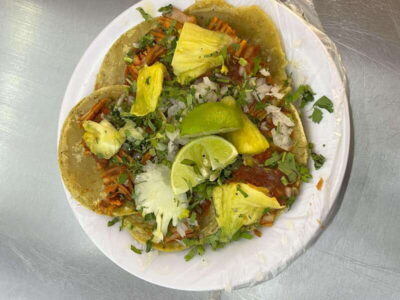
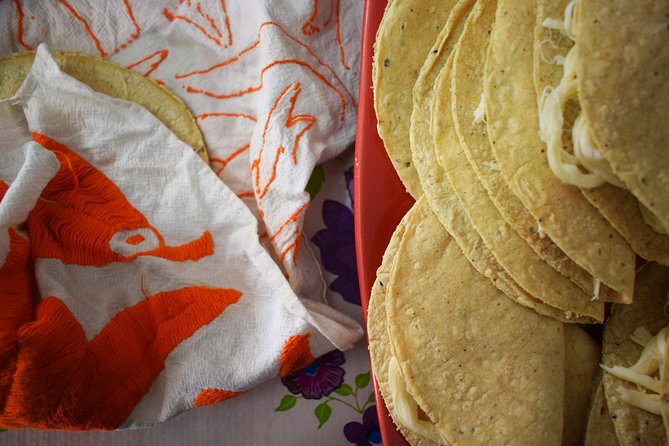
You start with Salsa & Totopos. Totopos are fried corn tortilla chips, and they’re not just a snack. They help you taste salsa texture and heat in a way that a spoon alone won’t do.
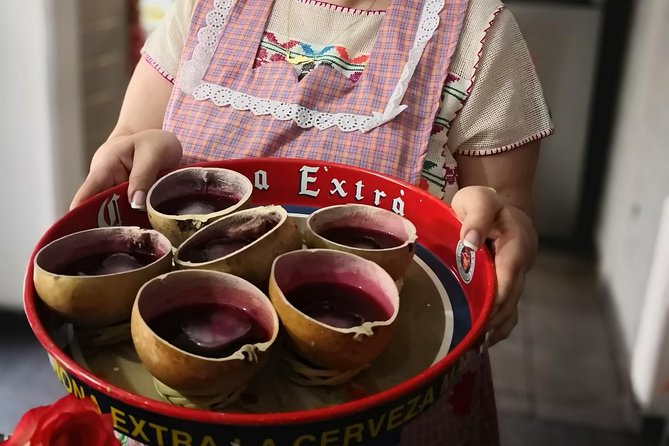
Then you’ll have agua fresca made with hibiscus flower (jamaica), with ice and a touch of sugar. Unlimited refills are included, and that matters because salsa heat builds. You’ll be glad you have something cooling and refreshing to reset your palate.
Your main course is quesadillas made with hot tortillas and melted oaxaca cheese. There’s also a vegan option, with beans and nopales inside. That’s a helpful detail for planning, because you can keep the experience together even if your group eats differently.
The cooking space: hands-on, interactive, and built for results
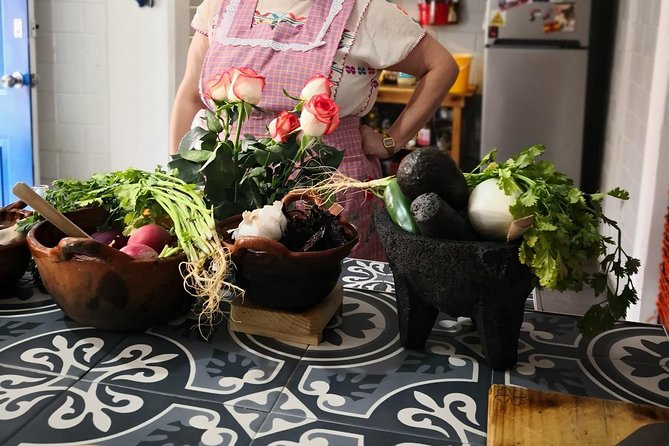
After the market, you walk about five minutes to the cooking location. The class moves right into prep and cooking, and it’s designed so you leave with something tangible, not just memories.
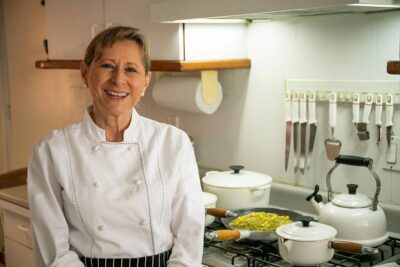
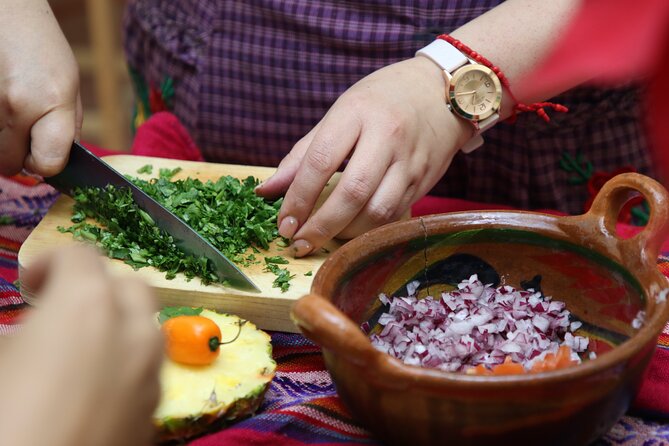
Instructors run the session like a working kitchen lesson. You’ll be chopping, cooking, combining, and tasting. The best part is that the salsas don’t just sit there. You eat them, you compare them, and you learn the differences while they’re fresh.
If you’re the kind of person who wants to understand what you’re doing, this approach helps. The four methods are separate, but the underlying logic is consistent: ingredient choice, moisture balance, chile intensity, and how heat changes flavor.
Some teachers also take photos during the day, which is a nice bonus if you want proof of what you made.
What you take home: jar of salsa and recipe cards that actually help
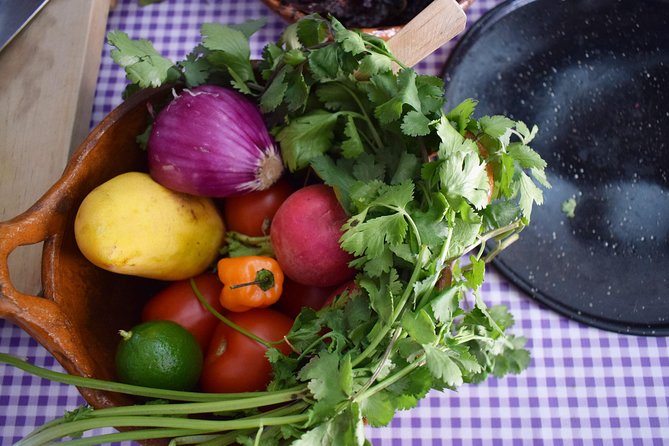
This class has a simple payoff. At the end, you leave with a jar of salsa plus recipe cards.
That matters for two reasons:
- It turns your learning into something you can use within a week, not a nice idea you forget.
- It lets you rebuild the salsa at home, even if you don’t remember every step.
If you’re cooking for friends, this is an instant win. You can share the jar, serve with chips, and use the recipe cards to repeat your favorite method.
Who this class is best for in Mexico City
You’ll probably enjoy this most if you want a break from museums and big-ticket attractions and prefer learning through food. It’s also a strong choice if you like practical lessons you can repeat at home.
It’s especially good for:
- Food lovers who want to understand why salsa tastes the way it does
- Families, including kids old enough to follow simple instructions (the tone is interactive and social)
- Couples who want something hands-on that still feels like a small local outing
- Anyone who wants a first step into Mexican cooking without getting overwhelmed
If your group is expecting a silent tasting menu, this is not that kind of experience. It’s active. You’ll be working and eating.
Price and value: is $96 worth it?
At $96 per person for about 2.5 hours, the value comes from what’s included, not just the cooking part.
Here’s what you’re getting inside the price:
- Cooking equipment
- Snacks and drinks tied to the class (salsas, totopos, quesadillas, and agua fresca)
- The full four salsa methods
- A jar of salsa to take home
- Recipe cards
- A private setup for your group
What is not included:
- Private transportation
I think the price makes sense if you count the market ingredient portion and the meal. You’re also paying for instruction that helps you avoid common salsa mistakes at home, like ending up with chile heat that’s too high, or a flavor that tastes flat because ingredients weren’t treated with the right heat method.
Also, booking trends show this fills up. If your dates are firm, it’s smart to lock it in rather than wait for last-minute plans.
Language, group size, and the small logistics that matter
The class is offered in English, and it can run in more than one language simultaneously. That’s useful if you have a mixed group or if you want the experience to feel natural for everyone.
It’s also a private tour/activity, so only your group participates. That’s a big deal for cooking classes. Less waiting, fewer distractions, and more time with the instructor when questions pop up, especially about spice levels.
You’ll also get a mobile ticket. The meeting point is easy to find on foot once you’re in the Tacuba area, and it’s near public transportation.
One more practical note: the experience requires good weather. If weather becomes an issue, you’ll be offered a different date or a full refund.
Should you book Mexican Salsas in Tacuba?
Yes, if you want a small, hands-on Mexico City experience that gives you both food and skills. This is not about gimmicks. The four salsa methods are the point, and the market stop makes the lesson stick.
Book it if:
- You want to learn raw, fried, boiled, and roasted salsa and understand the flavor differences
- You like eating as you cook
- You want a jar and recipe cards to take home, so your learning continues after the class
Consider another option if:
- Your group has very low spice tolerance and you hate adjusting recipes, because salsa by nature can run hot
- You’re short on time and only want a quick snack stop, since this is a full 2.5-hour cooking session
FAQ
How long is the salsa cooking class?
It runs about 2 hours 30 minutes.
How many salsas will I learn to make?
You’ll learn to prepare four types of Mexican salsa.
What types of salsa are included?
The class covers four traditional methods: raw, fried, boiled, and roasted.
What food and drinks are included?
You’ll have snacks including salsa and totopos, agua fresca (hibiscus/jamaica), and quesadillas. You also get unlimited agua fresca.
Is there a vegan option?
Yes. The vegan option for the quesadillas includes beans and nopales.
Where do we meet?
Meet at Parroquia San Gabriel Arcangel, Calz México-Tacuba S/N, Tacuba, Miguel Hidalgo, 11490 Ciudad de México, CDMX, Mexico.
Is this a private experience?
Yes. It’s private, and only your group participates.