
Reviewed · TOURS
Iztapalapa: Cable Car Tour and Urban Art From the Heights
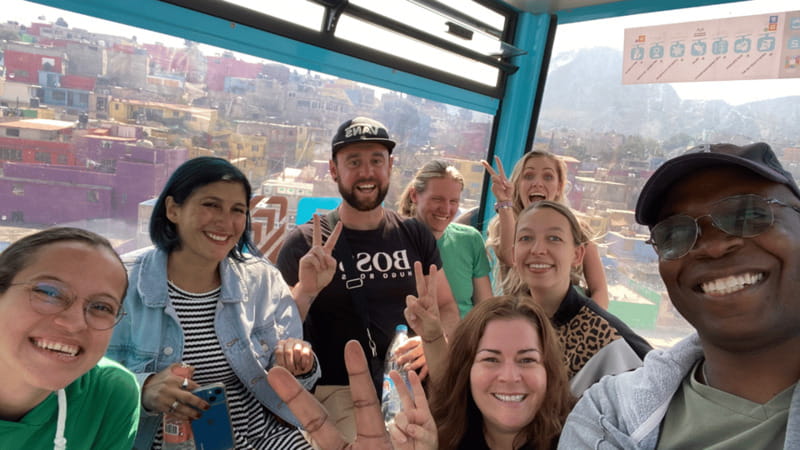
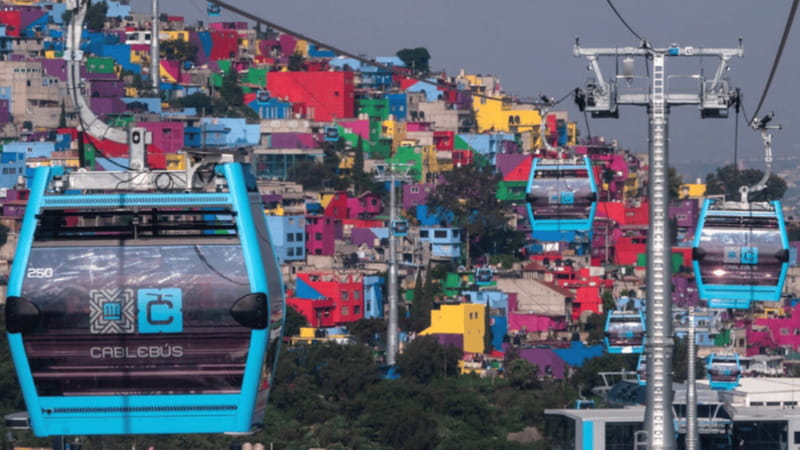
Riding the Cablebús turns a neighborhood into art. From Bellas Artes, you glide over Iztapalapa’s rooftops and murals, with panoramic views that make Mexico City feel like a fresh map. I love the urban-story murals and the way the guide ties them to daily life and music like cumbia and sonidero, but the tradeoff is a big chunk of time on public transit, so motion sickness or vertigo is a real consideration.
The best part for first-timers is how much you learn about getting around. Guides like Eduardo, Benjamin, Oscar, and Gabrielle are praised for clear, careful explanations that turn the metro from intimidating to manageable, aka metro confidence.
You also get real food culture, not just sightseeing. Tortillas are built into the experience, and you’ll have time for extra local snacks and street-food choices on the ground, which makes the whole trip feel practical instead of staged.
In This Review
- Quick hits on Iztapalapa from the Cablebús
- Bellas Artes to the Cablebús, with the metro part actually useful
- Cablebús over Iztapalapa: the aerial view that changes how you see the city
- The rooftop mural storytelling: where the art has context
- The local park viewpoint: volcanoes in the distance, city in the frame
- Tortillas and market time: food culture that feels everyday
- Timing and pacing: what the 4 hours actually feel like
- What to wear and bring, so the day stays smooth
- Small group energy: why the guide matters more than you expect
- Is this worth $24 per person? Value check
- Should you book Iztapalapa by Cablebús?
- FAQ
- Where do I meet for the tour?
- How long is the tour?
- What’s included in the price?
- Is it a walking-heavy tour?
- How big is the group?
- What languages are the guides?
- Who should not book?
- What should I bring?
- Can I cancel or book without paying right away?
Quick hits on Iztapalapa from the Cablebús

- World’s longest Cablebús line: a long, smooth ride with real skyline time
- Murals from above: see rooftop art where you would never end up on foot
- Local park viewpoint: volcanoes and the city far below
- Music history cues: cumbia, sonidero, and urban rock show up in the storytelling
- Tortilla-making time: culture you can taste, not just watch
- Small group (up to 9): easier questions, easier pacing
Bellas Artes to the Cablebús, with the metro part actually useful
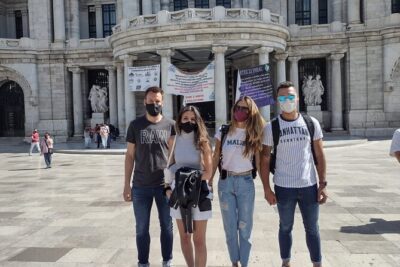
This tour starts at the Bellas Artes subway area, at the Parisian entrance on the left side of the palace. The plan is refreshingly simple: you take the metro to the Cablebús, ride the cable car over Iztapalapa, then head back to Bellas Artes. It’s about using public transit like a tool, not treating it like a chore.
The metro segment is about 45 minutes each way. That sounds long, but the guide’s job is to help you figure out what matters, like where to stand, how to stay together, and what to watch for so you are not guessing. If you have ever tried to use Mexico City’s metro solo, you know the feeling. Having a guide makes it go from stressful to straightforward.
One practical detail I really appreciate: you are told to bring motion-sickness prevention. The Cablebús is smooth, but you are still riding elevated and looking around, which can mess with some people. If you have respiratory issues, altitude sickness concerns, vertigo, or you know you are prone to motion sickness, do yourself a favor and treat this as a hard no.
Still weighing it up? Here are other tours across Mexico City we have written up in the same detail.
- Teotihuacan, Guadalupe Shrine & Tlatelolco Day Tour with Lunch
★ 5.0 · 11,603 reviews - Xochimilco, Coyoacan and Frida Kahlo with Optional Lunch
★ 4.5 · 7,320 reviews - Balloon flight + Breakfast in cave + Pyramids + Pick up CDMX.
★ 5.0 · 6,335 reviews - Teotihuacan pyramids morning or afternoon without tourist traps
★ 5.0 · 6,186 reviews - Teotihuacan Early Access Guided Tour with optional Lunch
★ 4.5 · 6,138 reviews
Cablebús over Iztapalapa: the aerial view that changes how you see the city
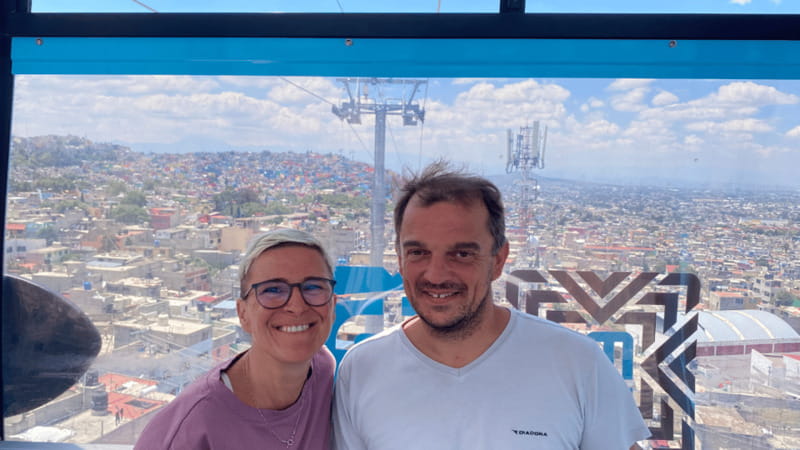
Then comes the headline: the Cablebús ride, about 40 minutes outbound and 25 minutes on the way back. This is the world-famous Iztapalapa line that runs long distances overhead, and it changes everything about your perspective. From up there, the streets and neighborhoods stop looking like a blur and start looking like a system people built and keep adapting.
What makes it special is the mix of modern transit and old-school community texture. You get views of architecture, the maze of streets below, and the mountains surrounding the area. It’s not just pretty. It’s informative, because it helps you understand scale, density, and how people move through the city.
And yes, the art matters here too. From the cable car height, murals and rooftop designs become part of the skyline. Up close, you usually have to work to find murals. From above, they find you.
The rooftop mural storytelling: where the art has context
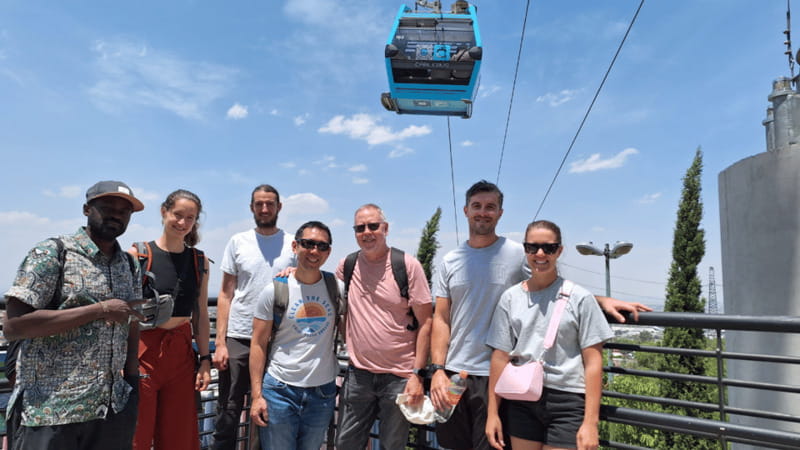
Once you arrive in Iztapalapa, the tour shifts from motion to explanation. There is a guided portion around 20 minutes, plus a photo stop, then additional time for scenic viewpoints on the way back toward the cable car.
This is where the murals go from decoration to message. The guide connects what you see with why it exists and what it signals for the community. I especially like how this tour talks about culture through sounds and rhythms, bringing up musical traditions like cumbia and sonidero and even urban rock. Those references give the art a human scale. You stop thinking of the murals as background and start thinking of them as communication.
The photo stop is short at about 15 minutes, so don’t expect a leisurely photos-and-chat setup. If you want specific shots, keep an eye on the route and where the best angles are. Bring your best patience too. You are in a real neighborhood, and the pace is meant for the whole small group.
The local park viewpoint: volcanoes in the distance, city in the frame
A big part of the experience happens at a local park viewpoint. Here, the payoff is a wide look back across Iztapalapa and the broader city, with volcanoes visible in the distance when conditions are clear.
This stop is smart because it gives you “orientation time.” After riding above the streets, you get to step back and see the geography, not just the details. That matters in Mexico City, where the city’s shape and surrounding mountains can make everything feel oddly connected once you spot them.
It’s also where you hear a more grounded history of Iztapalapa, including how it grew and how the community faced challenges over time. You’re not getting abstract trivia. You’re getting a storyline that helps explain why the neighborhood looks the way it does today.
Tortillas and market time: food culture that feels everyday
The tour includes a tortilla-making activity. This is one of the best-value moments because it turns a staple of Mexican life into an experience, not a souvenir. Tortillas are simple, but making them is physical, and it forces you to slow down. The guide also explains why they matter in the local diet and culture, which makes the moment land more than just a photo op.
Depending on your timing and local options, you may also have time around a market area for typical snacks. One key detail: meals are not included, and drinks are not included. The tour does not include gorditas either, though gorditas are mentioned as a typical option (around 15 pesos). Also, tips are not included, so plan to tip if you feel the guide earned it.
I like that the food here is flexible. You are not boxed into one restaurant. You have time for local choices, which keeps the day from feeling like a conveyor belt.
- Teotihuacan, Guadalupe Shrine & Tlatelolco Day Tour with Lunch★ 5.0 · 11,603 reviews
- Xochimilco, Coyoacan and Frida Kahlo with Optional Lunch★ 4.5 · 7,320 reviews
- Balloon flight + Breakfast in cave + Pyramids + Pick up CDMX.★ 5.0 · 6,335 reviews
- Teotihuacan pyramids morning or afternoon without tourist traps★ 5.0 · 6,186 reviews
- Teotihuacan Early Access Guided Tour with optional Lunch★ 4.5 · 6,138 reviews
- Balloon flight + pick up in CDMX + Breakfast in Cave + Pyramids★ 5.0 · 5,651 reviews
- Balloon Flight + Cave Breakfast + Pick Up from CDMX or We Fly★ 5.0 · 4,410 reviews
Timing and pacing: what the 4 hours actually feel like
Total duration is about 4 hours. In that time, you get:
- roughly 45 minutes on the metro to reach the start area
- about 40 minutes on the Cablebús outbound
- around 20 minutes guided time plus short stops for photos and viewpoints
- about 25 minutes on the Cablebús back
- about 40 minutes back on the metro
The biggest thing to understand is that this is not a walking tour. The highlights are meant to be seen from above and from short stops on the ground. You do still need comfortable shoes, because you will be moving around for boarding, photo moments, and getting organized.
If you are the type who thinks public transit should be fast and silent, you might find the metro explanations either helpful or a bit long. That’s a personal preference. For me, the metro support is the point, because it makes the rest of your Mexico City trip easier.
What to wear and bring, so the day stays smooth
This tour has a clear dress-and-gear approach. You’re told to wear comfortable shoes and avoid sunglasses. Discreet clothing is recommended, with specific items to avoid like hats, shorts, skirts, sandals, and sleeveless tops. High heels are out, and flip-flops or sandals are also not allowed.
You should also avoid oversize luggage and large bags. If you hate carrying stuff, this part is good news because it keeps the group moving cleanly.
Bring cash. It’s recommended for typical snacks. If you are planning to buy food like gorditas, cash keeps you flexible. Also, if motion sickness is in your wheelhouse, treat the prevention advice seriously. The tour recommends motion sickness prevention, and it also lists people prone to motion sickness as not suitable.
Finally, there’s a practical communication tip: leave a WhatsApp contact with the area code so you can connect quickly if anything changes.
Small group energy: why the guide matters more than you expect
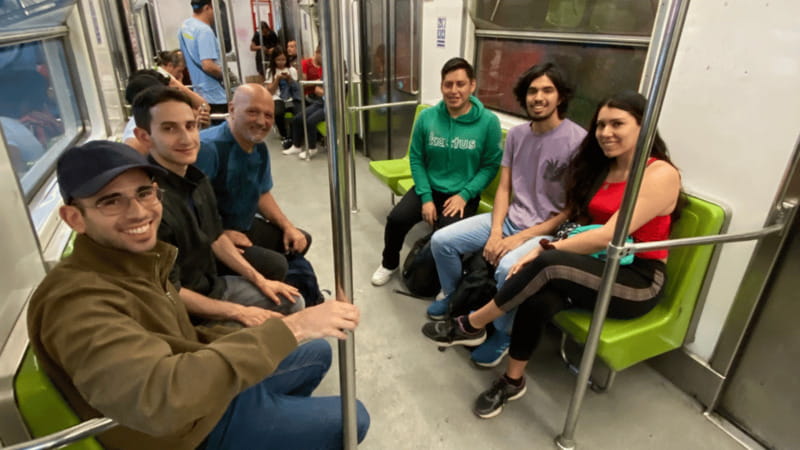
The group is limited to 9 participants. That matters because it affects your experience immediately: you can hear explanations, you can ask questions without getting steamrolled by a big group, and it is easier for the guide to keep everyone together on metro platforms and at boarding points.
The guide quality seems to be a real strength. Names that come up repeatedly include Eduardo, Benjamin, Oscar, Gabrielle, Alexia, Tomas, Thomas, Sam, and Fran. Across these different names, the common thread is that the guides do two jobs well: they explain what you see, and they help you understand the transit.
One more small but important detail: meeting at Bellas Artes can be tricky if you arrive early or miss the exact entrance. Do yourself a favor and plan to be there with a bit of buffer. The guides wear green shirts and carry umbrellas, so keep your eyes up near the Parisian entrance.
Is this worth $24 per person? Value check
At $24 per person for a 4-hour tour, you are paying for three things that cost money and time on your own: metro access, the Cablebús ride, and guided interpretation. You also get tortilla-making, educational resources, and entry into a neighborhood context you would likely skip on your own.
If you were to do this solo, you could buy transit rides and visit viewpoints, but it’s harder to find the specific mural and context stops without a guide. Here, the value is not just transportation. It’s the pairing of aerial viewpoints with story and cultural framing.
The only real “cost” is that this is built around transit time. If you dislike public transport or you want nonstop walking and deep museum-style stops, this might feel like too much ride time. If you like the idea of learning how the city works while getting skyline views, $24 starts to feel very fair.
Should you book Iztapalapa by Cablebús?
Book it if you want:
- a non-touristy neighborhood view of Mexico City from above
- urban art and murals with real context
- metro support you can use again later in your trip
- a short food moment through tortilla-making
Skip it if:
- you have vertigo, respiratory issues, altitude sickness concerns, or you know you get motion sick
- you have trouble with elevated rides or you want a mostly walking itinerary
If you are a first-time visitor, it also works as a confidence builder. You leave with a better sense of how the city’s transit connects communities, not just how a famous landmark looks.
FAQ
Where do I meet for the tour?
Meet at the Parisian entrance of the Bellas Artes subway, on the left side of the palace. Guides will have a green shirt and an umbrella.
How long is the tour?
The tour runs for about 4 hours.
What’s included in the price?
Included are a public transport card, the Cablebús and metro rides, tortillas, your expert guide, and educational resources.
Is it a walking-heavy tour?
No. It’s designed as a tour with minimal walking, built around the cable car views and short guided stops.
How big is the group?
It’s a small group, limited to 9 participants.
What languages are the guides?
Live guiding is available in English and Spanish.
Who should not book?
The tour is not suitable for children under 5, people with vertigo, respiratory issues, altitude sickness, or motion sickness. It also notes a weight limit of 220 lbs (100 kg).
What should I bring?
Bring comfortable shoes and cash. The tour also recommends motion sickness prevention.
Can I cancel or book without paying right away?
Yes. You can reserve now and pay later. Free cancellation is available up to 24 hours in advance for a full refund.
Keep comparing guided outings across Mexico City
Not quite it? More Mexico City tours from our review pile



Tours in one list.
 ★ 5.0Chichen Itza, Cenote, and Valladolid TourFrom $4524,293 reviews
 ★ 4.5Chichen Itza, Cenote & Valladolid Tour with Tequila and LunchFrom $3415,789 reviews
 ★ 5.0Teotihuacan, Guadalupe Shrine & Tlatelolco Day Tour with LunchFrom $3911,603 reviews
 ★ 4.6Cancun: Chichen Itza, Cenote & Valladolid Tour with LunchFrom $496,722 reviews
 ★ 5.0Early morning Chichen Itza Tour: Cenote and Tequila TastingFrom $266,657 reviews
 ★ 4.5Teotihuacan Early Access Guided Tour with optional LunchFrom $396,138 reviews
 ★ 4.6Mexico City: Teotihuacan, Tlatelolco & Guadalupe Shrine TourFrom $493,773 reviews
 ★ 5.0Winner 2025 Downtown Vallarta Food Tour with Vallarta Food ToursFrom $593,738 reviews