
Reviewed · SAN CRISTOBAL & SUMIDERO CANYON
Customs of indigenous villages of Chiapas
Chamula rituals do not feel like a museum. This small-group tour from Chiapas Experiencias takes you through the sacred world of indigenous Tzotzil and Aztec-related traditions around San Juan Chamula and San Lorenzo, with an English-speaking guide named Rudy explaining what you’re seeing and why it matters. I love that the route is tight and focused, with key church visits and included admissions rather than lots of passing-by photos. I also like the hands-on moment with local artisan textiles and the stop at an art gallery run by Tex Lopez. One drawback to plan for, the tour depends on good weather, and churches require respectful behavior, so it is not the best fit if you want casual sightseeing with low attention.
You’ll be on the move for about 5 to 6 hours, starting at the Arco del Carmen in central San Cristóbal de las Casas and finishing at Plaza de la Paz. The day balances three things that are hard to mix well on tours: belief, art, and everyday craft. And because the group is capped at 4 travelers, you get room to ask questions without feeling like you’re on a conveyor belt.
In This Review
- Key highlights I think you’ll care about
- Why Chamula and San Juan Chamula feel different from typical village tours
- Iglesia de San Juan Bautista, where rituals are the point
- Cementerio de San Juan Chamula and the Day of the Dead connection
- San Juan Chamula art at Tex Lopez’s gallery, plus a view-based breakfast
- Iglesia de San Lorenzo, Catholic fusion, and the jaguar legend
- Former Temple of San Lorenzo and the textile stop you will remember
- Price and what $77 actually buys you
- The feel of the group: small, respectful, and question-friendly
- Who this tour is best for, and who should think twice
- The practical details that help you plan smoothly
- Should you book this customs tour of Chiapas?
Key highlights I think you’ll care about
- Max 4 travelers for real conversation, not headcount chaos
- Rudy’s English explanations that connect religion, symbols, and daily life
- Two included church admissions so you can focus on meaning, not ticket math
- Day of the Dead context told through Chamula Tzotzil beliefs and Mayan origins
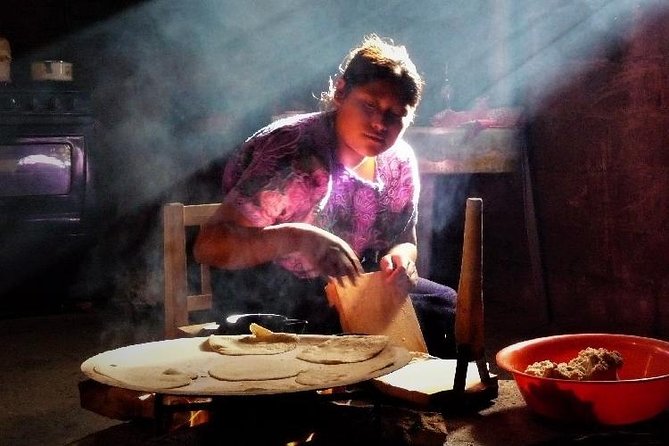
- Textiles with a local family, including trying on traditional costume
- Time for a mountain-view breakfast stop (breakfast itself is not included)
Why Chamula and San Juan Chamula feel different from typical village tours
San Cristóbal de las Casas is full of great day trips. What makes this one stand out is the way it treats these villages as living places, not photo stops. You’re not just walking streets. You’re stepping into spaces where people practice faith and keep cultural rules that are still relevant.
The other ingredient is the guide. Rudy does more than translate. He links symbols to meaning, and religion to daily choices, including how pre-Hispanic belief and Catholic practice can overlap. That matters because without explanation, church scenes can feel either too confusing or too performative. Here, you get a framework for what you’re seeing, so it lands as something real.
The route also avoids the usual problem of village tours that feel rushed. You cover five stops in about half a day, and each one gets a specific purpose. That makes your time feel earned.
Here are other San Cristobal and canyon trips we have been through in San Cristobal de las Casas
- San Cristóbal: Canyon, Viewpoints & Chiapa de Corzo Tour
★ 4.7 · 231 reviews - From San Cristóbal: Chamula and Zinacantán Guided Tour
★ 4.4 · 203 reviews - San Cristóbal: Agua Azul, Misol Ha & Palenque Experience
★ 4.3 · 186 reviews - Sumidero Canyon and Chiapa de Corzo Tour Compartido
★ 4.6 · 131 reviews - From San Cristobal: Sumidero Canyon & Chiapa de Corzo Tour
★ 4.6 · 102 reviews
Iglesia de San Juan Bautista, where rituals are the point
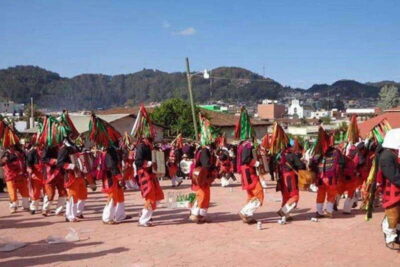
Stop 1 is the Iglesia de San Juan Bautista in Chamula, and it’s the reason this tour exists. Inside, you’ll enter the sacred world of rituals that you won’t see in the same way anywhere else in the region. The pace is built for observation, then explanation. Your guide will walk you through symbolism and significance, so you understand what you’re looking at instead of just collecting images.
This is the stop where I think most people feel the most. Churches there are not quiet-and-empty. They are active, meaningful spaces. Rudy’s job is to help you read what’s happening with respect, including how belief shapes behavior in that environment.
Practical note: because this is a sacred setting, you should expect a more serious tone than a sightseeing walk. If you’re traveling with a mindset of, I want to understand, you’ll be in the right place.
Admission is included here, which is nice because it prevents an extra line item in the middle of an already meaningful visit.
Cementerio de San Juan Chamula and the Day of the Dead connection
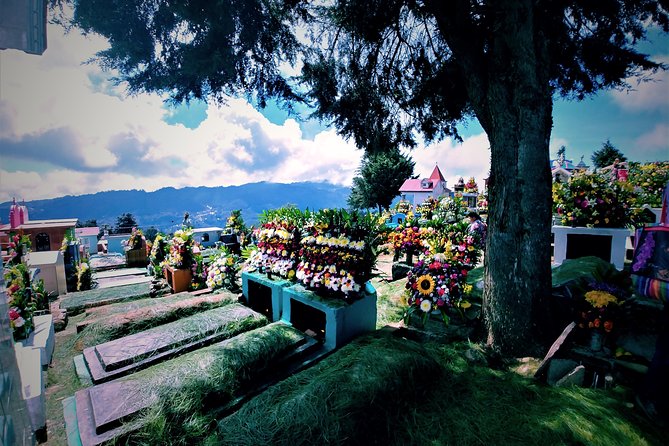
Next is the Cementerio de San Juan Chamula. This stop is shorter, but it carries weight. Rudy explains traditions around the Day of the Dead in Mexican culture, and he ties it to Tzotzil beliefs of Chamula, including references to Mayan origins.
That historical thread is useful for you because it helps answer the common question people have when they travel in Chiapas: why do things look different here than what you might see in other parts of Mexico? In this cemetery context, you start to see the Day of the Dead not as a single uniform national event, but as a set of beliefs that has local roots.
This stop is also free, so you’re not paying for “time in a place.” You’re paying with your attention, and that’s the point of the day.
San Juan Chamula art at Tex Lopez’s gallery, plus a view-based breakfast
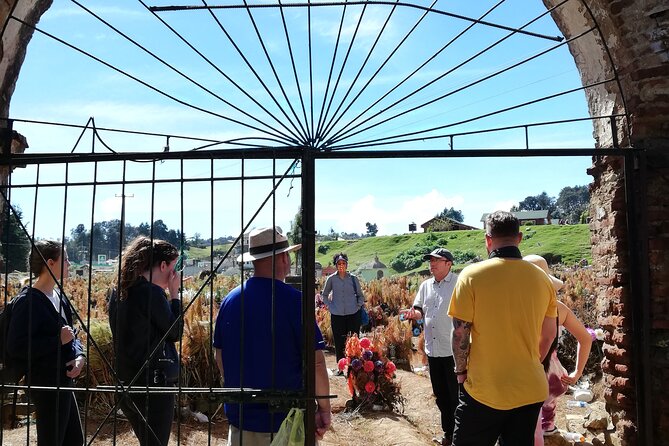
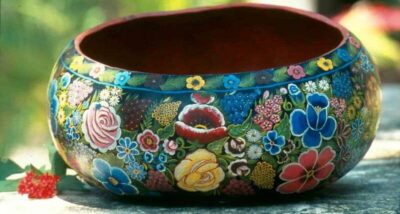
Stop 3 shifts from ritual to creativity and everyday life. You’ll visit Art Tex Independent Art Gallery, run by local painter Tex Lopez. This is where you’ll see paintings by local artists inspired by daily life and village festivities.
I love this kind of stop because it gives you a second angle on culture. You just came from a sacred space. Now you can step into how people represent their world in art, including celebrations and everyday moments.
You also get a break built into the schedule. There’s a stop for breakfast with a beautiful view of the highlands. The important detail is that breakfast is not included, so plan on paying your own bill. That said, because you’re already in a scenic area, you’re not wasting time seeking a meal somewhere random.
If you’re the type who gets hungry and cranky on tours, this is also a smart moment. The day has intensity, then it gives you a reset.
Iglesia de San Lorenzo, Catholic fusion, and the jaguar legend
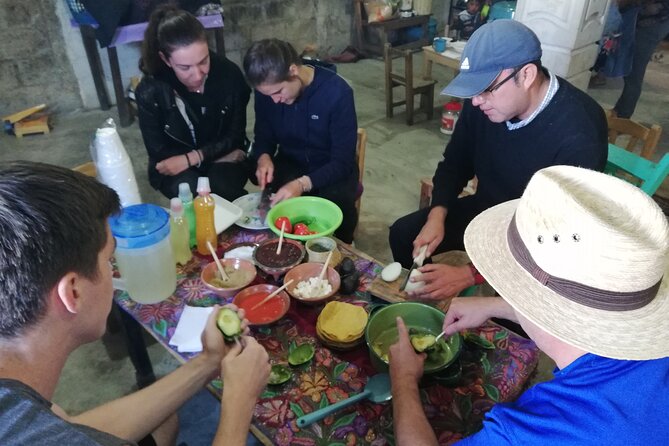
Stop 4 is the Iglesia de San Lorenzo, and this is another major anchor point. Rudy explains the fusion of pre-Hispanic religion with Catholic belief, focusing on symbolism and significance. There’s also a legend involving a jaguar, and it’s the kind of story that helps you see how older spiritual ideas and Catholic structures can coexist in one place.
This stop matters because it answers a question you might not realize you have before you arrive: how can one region hold layers of belief without treating them as contradictions? Here, you see that the layers are part of how people make meaning, not something they have to choose between.
The time is about 30 minutes, but it is not “just a photo stop.” It’s framed to be a guided reading of what you’re seeing, with Rudy connecting visual details to cultural logic.
Admission is included for this church as well, which keeps the tour feeling cohesive and not like you’re constantly checking your phone for what costs extra.
- Customs of indigenous villages of Chiapas★ 5.0 · 76 reviews
- From San Cristóbal: Agua Azul and Palenque Day Trip★ 4.2 · 75 reviews
- Sumidero Canyon, Chiapa de Corzo Magical Town from San Cristóbal de las Casas★ 4.0 · 70 reviews
- Sumidero Canyon, Miradores del Cañón and Pueblo Chiapa de Corzo.★ 4.0 · 70 reviews
- Montebello Lakes and Chiflon Day Tour from San Cristobal★ 4.1 · 68 reviews
- Sumidero National Park Full-Day Trip from San Cristobal★ 4.4 · 66 reviews
- San Cristobal: Sumidero Canyon, Chiapa de Corzo, & Miradores★ 4.4 · 63 reviews
Former Temple of San Lorenzo and the textile stop you will remember
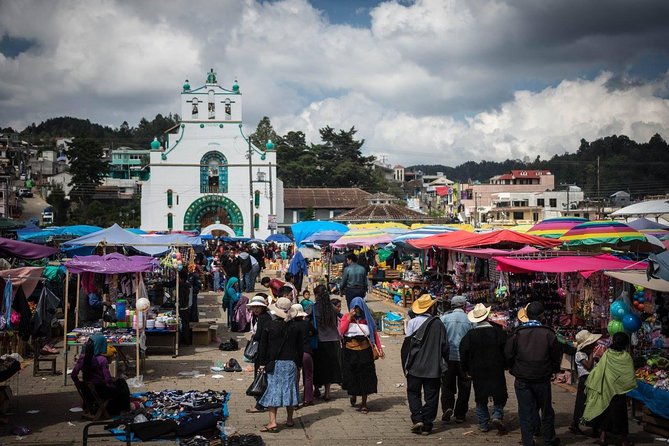
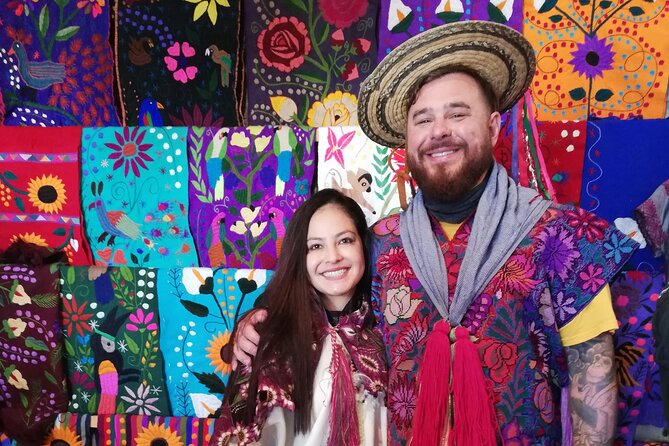
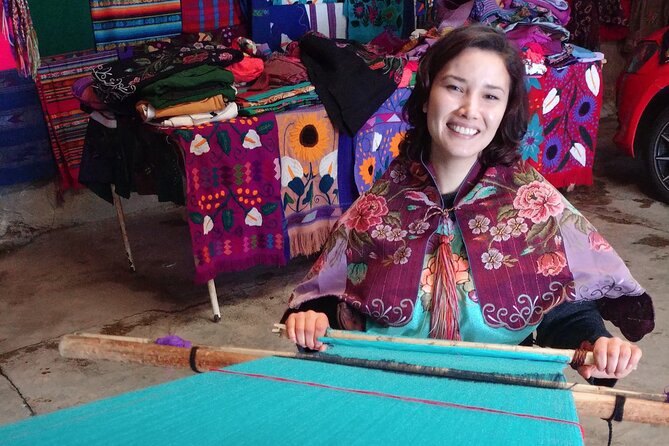
Stop 5 is the former Temple of San Lorenzo, and it adds a practical, hands-on layer. You’ll visit a local family of artisans where you can try on traditional costume and learn about textile production.
This is one of those moments where culture becomes tactile. Instead of only hearing about tradition, you see how textiles connect to identity, skill, and daily work. And trying on the traditional clothing is helpful because it makes the garments feel like something people wear for a reason, not just something displayed.
It’s also a great counterbalance to the church stops. If your head is spinning from symbolism, the textile moment helps your brain switch gears into craft and material detail. You can still ask questions, and the conversation tends to be more personal because it’s tied to what the artisans do every day.
Admission is not required here in the way it is for the churches, but the value is in the access. You are not just watching. You’re learning how the process works and how people keep the tradition alive.
Price and what $77 actually buys you
At $77.07 per person, this tour sits in a mid-range zone for San Cristóbal. The real value question is not the headline price. It’s what’s included and how the time is used.
Here’s what you’re getting for that cost:
- A focused half-day route around Chamula and San Lorenzo, not a long drive with brief stops
- Pickup offered, which matters in towns where finding exact meeting points can take time
- English-speaking guide throughout, including explanations that connect symbols, belief, and culture
- Two church admissions included, which you might otherwise pay separately
- A small group size, maximum 4 travelers, which is where you actually start feeling the difference in quality
The biggest cost drivers are usually guide time and access. Because admissions are included for key church visits and the group stays small, you’re paying for the kind of guidance that makes the spiritual and cultural content understandable.
If you prefer to spend your day moving on your own and you don’t care about explanations, you could DIY some of this. But if you want meaning and context, this price feels fair.
One consideration: the tour is often booked about 25 days in advance on average. If you’re traveling at a busy time or want a specific day, you’ll want to lock it in early so you’re not hunting for last-minute spots.
The feel of the group: small, respectful, and question-friendly
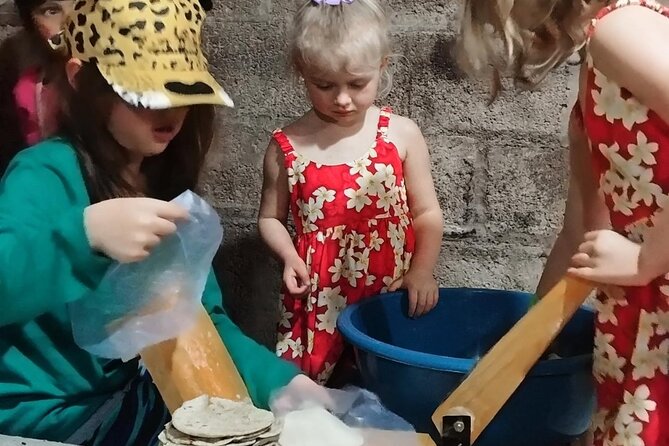
With a cap of 4 travelers, this tour avoids the loud, rushed vibe that can flatten spiritual sites into “checklist content.” You get a more relaxed atmosphere where questions are welcome.
English is offered, and the guide’s communication matters a lot for this topic. In the stories people share about the day, the guide’s ability to explain with clear English comes up often because the subject is complex. You’re dealing with religious symbolism, cultural traditions, and local interpretations of broader Mexican practices.
Also, the tour includes a mobile ticket. That’s one less thing to worry about on the day.
Who this tour is best for, and who should think twice
This is best for you if:
- You want to understand the meaning behind what you see in Chamula rather than just take pictures
- You enjoy cultural explanation, including how religious beliefs overlap
- You like hands-on stops, like the textile part and trying on traditional costume
- You prefer smaller groups
It may be less ideal if:
- You want a purely casual walk with minimal attention to sensitive cultural settings
- You are uncomfortable in places where people are actively practicing faith
- Your schedule is tight and you cannot handle the reality that the experience requires good weather. If weather turns, the tour can be rescheduled or refunded
The practical details that help you plan smoothly
Starting point is Arco del Carmen (Miguel Hidalgo S/N, Centro) in San Cristóbal de las Casas. It ends at Plaza de la Paz in the city center. The tour lasts about 5 to 6 hours, so plan for a half-day slot and an early start if you want the rest of the day free.
Pickup is offered, which is great if you don’t want to play navigation roulette through center streets. And since you’re near public transportation, you’ll have options even if you adjust your plan.
Finally, remember that breakfast is not included at the view stop. The tour gives you the opportunity to eat, but you’ll pay for it.
Should you book this customs tour of Chiapas?
I’d book it if your goal is to see Chamula and the surrounding indigenous culture with context, not just motion. The combination of church rituals with included admissions, the Day of the Dead explanation, the jaguar legend, and the textile workshop with a local artisan family creates a day that feels connected. It’s not random stops. It’s a guided story.
Skip it if you’re looking for a light, purely scenic day with no cultural depth, or if you do not want to spend time in sacred spaces with clear expectations. Also, if weather is a wildcard for your travel dates, you’ll want a flexible mindset since the experience requires good conditions.
If you want a small-group guide-led day that helps you read what you see and respect what you’re witnessing, this is an easy yes.
Keep comparing San Cristobal and canyon trips across San Cristobal de las Casas
Not quite it? More San Cristobal de las Casas tours from our review pile

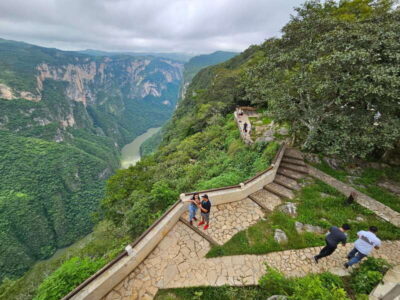
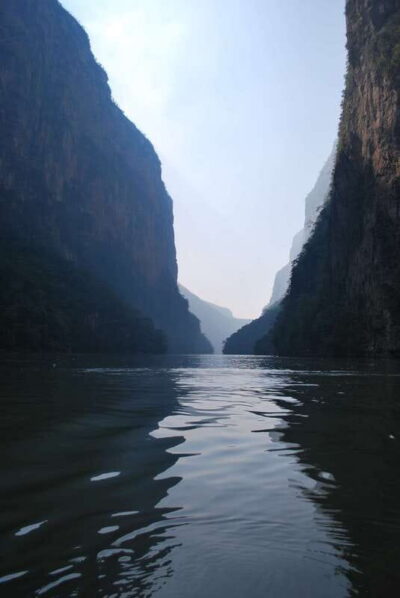

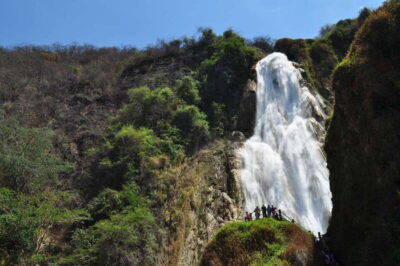
San Cristobal & Sumidero Canyon in one list.
 ★ 5.0ATV Adventure in Rancho San Cristobal Cabo San Lucas322 reviews
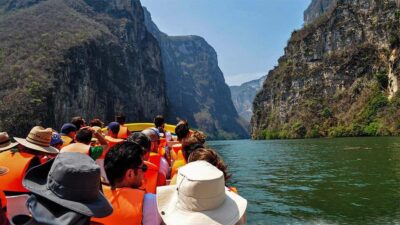 ★ 4.7San Cristóbal: Canyon, Viewpoints & Chiapa de Corzo TourFrom $85231 reviews
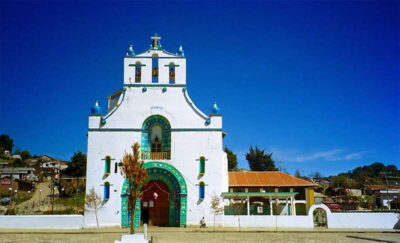 ★ 4.4From San Cristóbal: Chamula and Zinacantán Guided TourFrom $32203 reviews
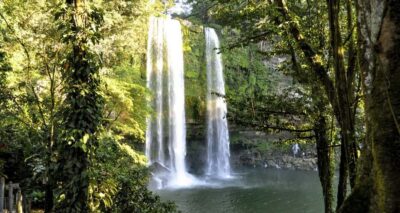 ★ 4.3San Cristóbal: Agua Azul, Misol Ha & Palenque ExperienceFrom $69186 reviews
 ★ 5.0Horseback Riding Experience in Rancho San CristobalFrom $156159 reviews
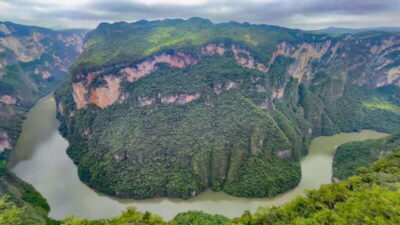 ★ 4.7Tuxtla Gutierrez: Sumidero, Chiapa de Corzo and MiradoresFrom $61149 reviews
 ★ 4.6Sumidero Canyon and Chiapa de Corzo Tour CompartidoFrom $140131 reviews
 ★ 4.6From San Cristobal: Sumidero Canyon & Chiapa de Corzo TourFrom $50102 reviews
Where else it sits