Reviewed · MEXICO
Cocina del Norte
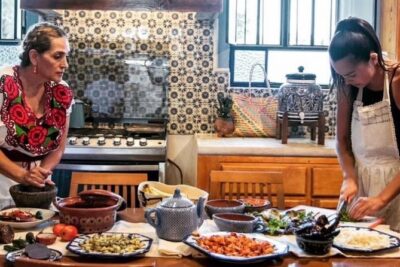
Skip the tourist food, cook at home. In San Miguel de Allende, Cocina del Norte is a small-group Mexican cooking class in a family kitchen, taught in English. You start with coffee, tea, or agua fresca, then tackle your first salsa step-by-step.
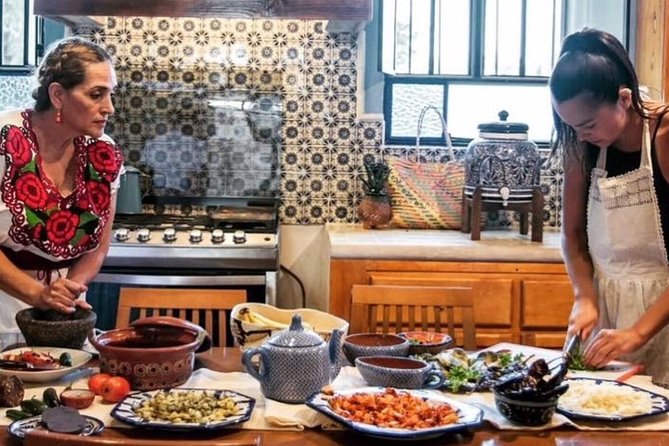
I love that you are not just watching, you are making salsa verde with clear guidance as you build flavor. Then the meal builds to asado de cerdo from northern Mexico, usually paired with nopal salad and rice, and you finish by sitting down with wine and conversation.
One consideration: the experience needs good weather, and it is capped at 6 people, so it is best to lock in your spot early.
In This Review
- Key Things I’d Put at the Top of Your List
- Cocina del Norte in San Miguel: where the cooking class starts
- A 2.5-hour menu built around salsa and northern pork asado
- Salsa-making with real technique, including salsa verde and salsa roja
- Nopal salad and rice: building balanced plates the Mexican way
- Chef-led stories, ingredient origins, and sitting down with wine
- Group size, English instruction, and practical tips before you go
- Should you book Cocina del Norte?
- FAQ
- What is the duration of Cocina del Norte?
- What language is the class taught in?
- Where do I meet the chef for the class?
- What do I cook and eat during the class?
- How big is the class group?
- What happens if the weather is poor or I need to cancel?
Key Things I’d Put at the Top of Your List
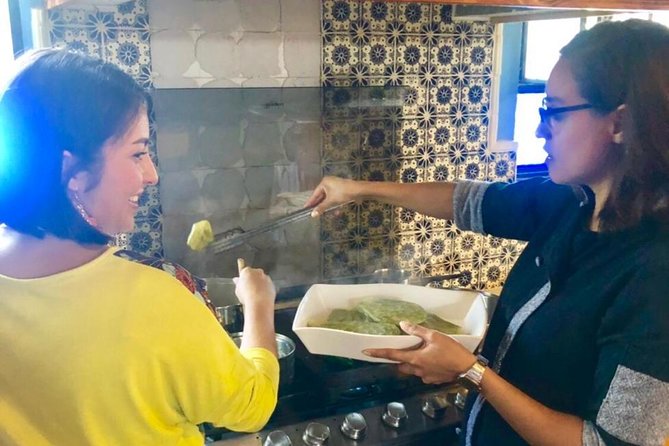
- Small group, big hands-on time (maximum 6 people)
- Salsa-making you can repeat at home, including salsa verde and salsa roja
- Northern Mexico comfort food, centered on asado de cerdo
- Nopales and tomato-style cactus salad, plus a rice side that rounds out the plate
- Chef-led stories, including dish background and ingredient origins
- A real sit-down moment, with wine and a relaxed table conversation
Cocina del Norte in San Miguel: where the cooking class starts
This class is in San Miguel de Allende, but it does not run like a factory tour. It starts at C. San Pablo 65, San Ricardo (37717), and it ends back at the same meeting point. Plan on about 2 hours 30 minutes, with a 11:30 am start time.
The mood here is home-kitchen casual, not studio-perfect. You get a mobile ticket, and confirmation arrives at booking, so you are not scrambling for paperwork. It is also offered in English, which matters more than you might think. When you understand what the chef is telling you about peppers, seasoning, and timing, you can actually cook the food later, not just remember the flavor.
It is also close to public transportation, which is helpful if you are walking part of the way or using local buses. Still, most people will treat this as a taxi or ride-share kind of stop, especially if you want an easy flow into and out of the class.
One more practical note: it depends on good weather, so if you are traveling during a season with storms, keep a little flexibility in your schedule.
Still weighing it up? Here are other tours across San Miguel de Allende we have written up in the same detail.
- Immersive Cañada de La Virgen Pyramid Tour
★ 5.0 · 789 reviews - Historical and Cultural Walking Tour of San Miguel de Allende
★ 5.0 · 641 reviews - Original Downtown Food Tour with Taste of San Miguel
★ 5.0 · 598 reviews - Half-Day Horseback Riding Adventure
★ 5.0 · 417 reviews - Evening Food Tour with Taste of San Miguel
★ 5.0 · 318 reviews
A 2.5-hour menu built around salsa and northern pork asado
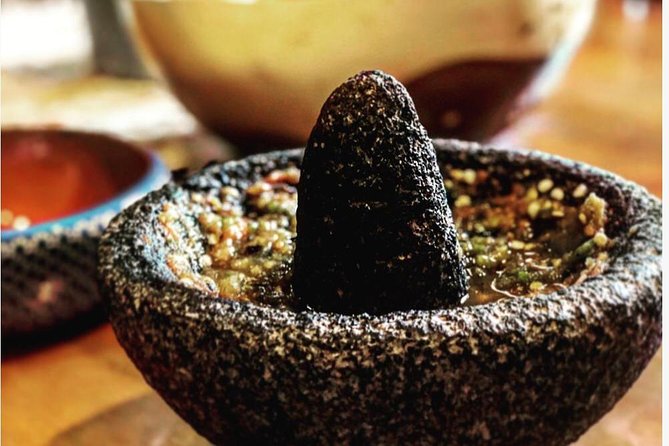
Your experience follows a clear rhythm. First, you get settled with a drink, then you start cooking right away. The first major focus is a typical Mexican salsa, worked through in a friendly, step-by-step way. This is where the class does the best job of teaching. You learn how the ingredients come together, then you taste as you go so your brain connects flavor to action.
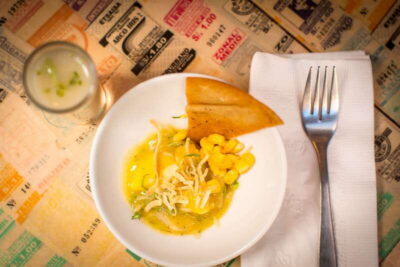
After the salsa part, the class moves to the main plate: asado de cerdo, a pork dish tied to the chef’s hometown in northern Mexico. You are not just being served something familiar. You are learning the dish, including the preparation and the story behind it, plus what ingredients go where and why.
A side dish completes the meal. In the menu style you are likely to get, you’ll see nopal (cactus) salad and rice as key partners to the pork. That pairing is smart. Pork is rich, nopal brings a fresh, green edge, and the rice helps you round out every bite.
Then comes the payoff. You set the table and actually enjoy what you cooked, with a glass of wine and time to chat. This is not a rushed “eat and leave” meal. You get to slow down, talk food, and ask questions that come up once you are seated.
Salsa-making with real technique, including salsa verde and salsa roja
If you want the best souvenirs in Mexico, learn how to make something that tastes like Mexico even when you are back home. This class is strong there, especially with salsa.
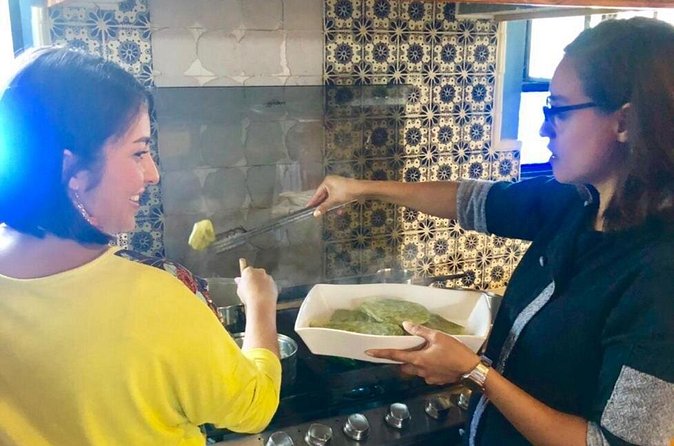
You will make salsa verde during the class, and many sessions also include salsa roja. The chef walks you through ingredients and how they connect, including the origins of key components. That might sound academic, but it is practical. Knowing where an ingredient is commonly used, or what it is meant to do in the flavor stack, helps you recreate the salsa when you shop later.
From past lessons, I love how the instruction supports both beginners and more experienced cooks. You will be guided through the steps instead of thrown into a “good luck” kitchen. At the same time, you are still actively cooking, not just taking notes. If you are comfortable with knives or heat control, you can lean in and refine your technique.
Here’s how to get the most out of the salsa time:
- Taste often. The chef’s guidance is built around flavor, not memorizing a recipe.
- Ask one question early, like how to adjust heat or acidity. You’ll understand it better once you see it happen.
- Take small notes on pepper types and the order things go in. Those are the details that disappear if you rely only on memory.
And yes, salsa is also a “conversation topic” after the meal. Once you are seated with wine, you can compare what you made to what you’ve tried at markets or restaurants around town.
Nopal salad and rice: building balanced plates the Mexican way
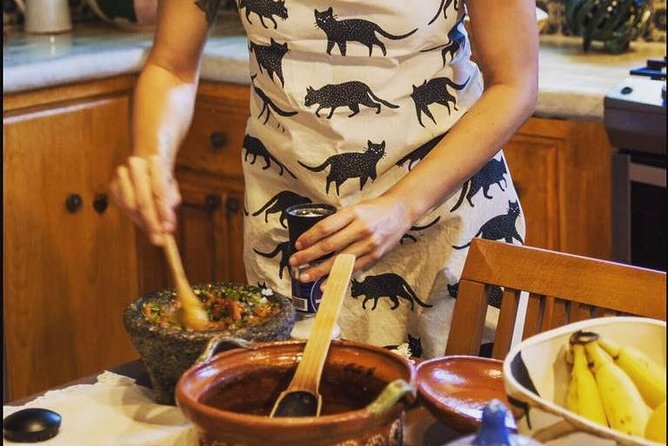
The class does not just teach salsa and pork in isolation. It teaches how the plate works. The sides you make and eat are designed to balance the main dish.
A highlight is the cactus salad, often described as a nopal and tomato style salad. Nopal can sound intimidating if you have only had it in small bites at restaurants. In a home-cooking class, it becomes approachable because you learn how it shows up in real meals and how it complements pork.
Rice is your anchor side. Depending on the session, it can be a straightforward white rice, and some classes also include a poblano rice style pairing. Either way, rice gives structure to the meal. It absorbs sauce, cools the heat from chilies, and makes each forkful feel intentional.
This matters for you because you are not leaving with one dish idea. You are leaving with a plate strategy:
- salsa brings brightness and heat
- pork delivers depth and comfort
- nopal salad adds freshness
- rice rounds everything out
If you have dietary needs, speak up. In the past, people were encouraged to tell the chef in advance if they are vegetarian or dealing with food allergies, so the menu can be adjusted. That is the moment to be direct. It is better to have a clear conversation upfront than to try to fix things mid-class.
Chef-led stories, ingredient origins, and sitting down with wine
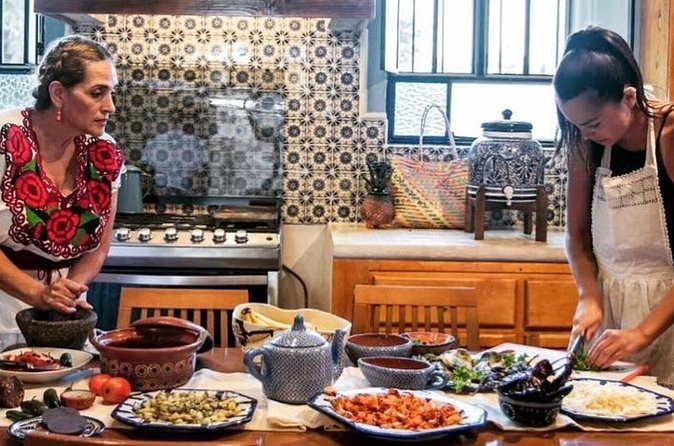
The most memorable part of many cooking classes is not the chopping. It is the reason behind the food. This one includes that, and it shows up in the way the chef explains the history and ingredient origins tied to the dishes.
You’re hearing context while you cook the salsa and while the pork dish comes together. The chef also connects the food to family and hometown traditions, not just “Mexican food in general.” That turns the meal from a set of instructions into a regional story you can taste.
The “sitting down” part is also part of the value. Many classes end right after cooking. Here, you set the table and then eat with wine and good conversation. That changes how you remember the meal. You are not hurried, and you can ask questions once the flavors are on your palate.
One extra layer: the class can feel like you are visiting a real home, not a rented kitchen. In some sessions, people mention a warm welcome that can include family details like dogs in the background or a quick peek at related family spaces such as an art studio. Even when those extras do not happen, the overall tone tends to stay personal.
If you want to shape the vibe, you can do that too. Some guests have suggested adding quiet Mexican music while cooking. If ambiance matters to you, it is totally reasonable to ask. Small tweaks can make a class feel even more comfortable.
- Tacos and Tequila Walking Tour with Taste of Miguel★ 5.0 · 583 reviews
- Half-Day Horseback Riding Adventure★ 5.0 · 417 reviews
- Private San Miguel de Allende Walking Tour★ 5.0 · 297 reviews
- Half Day Excursion – Horseback Riding Adventure in SMA★ 5.0 · 297 reviews
- Historical & Cultural Walking Tour of San Miguel de Allende★ 4.8 · 225 reviews
- Canada de la Virgen Archaeological Site Tour★ 5.0 · 193 reviews
- Half Day Trail Riding in San Miguel de Allende★ 5.0 · 156 reviews
Group size, English instruction, and practical tips before you go
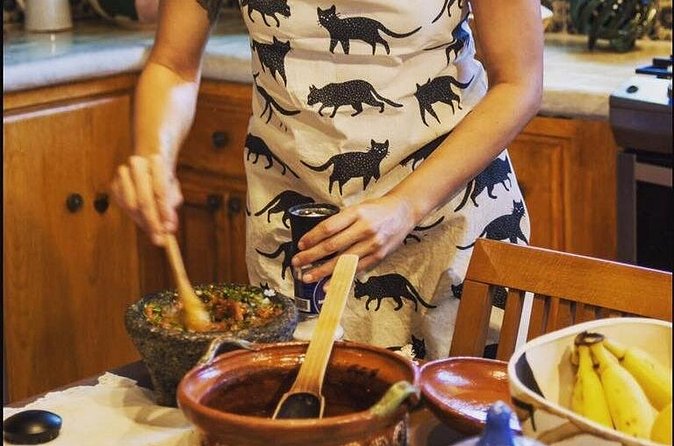
The group is intentionally small, with a maximum of 6 travelers. That is not just a number. It means the chef can slow down when you need it, check in when you are unsure, and keep the cooking moving without turning it into a speed-run.
English instruction helps a lot, especially when you are learning how to adjust heat, salt, and acidity. You do not have to guess what you are doing. You also get chances to ask follow-up questions in plain language, which makes your results more reliable.
Before you go, do three simple things:
- Tell the chef your comfort level if you can (beginner, comfortable with basic chopping, etc.). The pace can be tuned.
- Mention allergies or vegetarian needs ahead of time so adjustments are possible.
- Plan to arrive a few minutes early. With a home-based setup, being late can throw off the flow.
Also, think about what you want to bring home. If your goal is salsa technique, focus on the salsa steps and notes. If your goal is northern-style pork, pay attention to how the chef explains the main dish ingredients and preparation.
Finally, remember this is a cooking class first, not a long walking tour. That makes it a smart pick for travel days when you want something hands-on but not exhausting.
Should you book Cocina del Norte?
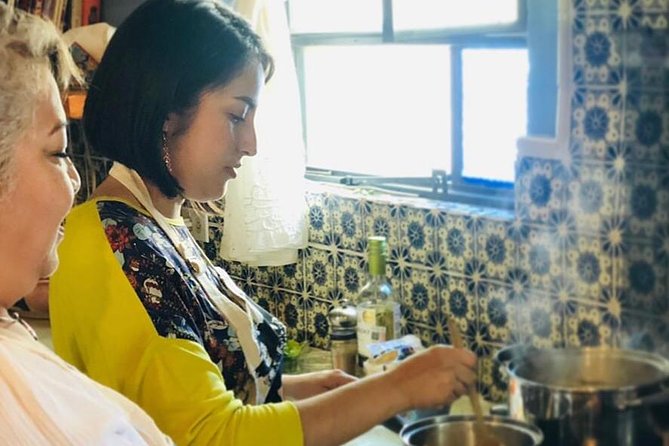
Yes, I think you should book it if you want authentic Mexican cooking that is practical, regional, and taught in a way you can use later. This is especially a good fit for couples, families, and mixed groups because the teaching style works for both first-timers and people who cook already. You get multiple dishes, you learn the “why” behind key ingredients, and you finish with wine and a real sit-down meal.
You might choose something else if you are extremely limited by schedule. The 11:30 am start and the good weather requirement mean you want a flexible day. And because the main plate centers on asado de cerdo, meat-eaters will feel most at home unless you have already arranged vegetarian or allergy adjustments in advance.
If you want one clear decision rule, use this: book Cocina del Norte when your goal is to return from San Miguel with real cooking skills, not just photos of food.
FAQ
What is the duration of Cocina del Norte?
The class runs for about 2 hours 30 minutes.
What language is the class taught in?
The experience is offered in English.
Where do I meet the chef for the class?
You meet at C. San Pablo 65, San Ricardo, 37717 San Miguel de Allende, Gto., Mexico.
What do I cook and eat during the class?
You’ll learn a typical Mexican salsa, then you’ll prepare asado de cerdo with a garnish. The meal is served with sides such as nopal salad and rice, and you’ll also enjoy a glass of wine.
How big is the class group?
The experience has a maximum of 6 travelers.
What happens if the weather is poor or I need to cancel?
The experience requires good weather. If it is canceled due to poor weather, you’ll be offered a different date or a full refund. For cancellations, you can cancel for a full refund if you cancel at least 24 hours before the start time.