Reviewed · MEXICO
Boating along the coastline of San Carlos with a Marine Biologist
Dolphins and mangroves, in a single 3-hour ride. This small-group boat tour runs along the San Carlos shoreline with marine biologist Michael, and you get the fun of a handmade boat plus binocular time for spotting birds. If you like your wildlife watching with explanations, this is the kind of trip that makes the sea feel less random and more knowable.
I also like that you’re not just cruising, you’re eating and exploring. You’ll enjoy freshly made ceviche, and weather permitting, snorkeling is encouraged from a protected area near Isla La Jama. The main consideration is that the day depends on sea conditions, and if you easily get seasick you’ll want to follow the tour’s guidance about taking medication ahead of time.
In This Review
- Key things that make this boat tour worth your afternoon
- San Carlos and the Sea of Cortez: why this route works
- Your 3-hour plan: what it feels like in real time
- Stop 1: Bahia San Carlos and the Esterito mangrove estuary
- Stop 2: Roca San Nicolimaás and the blue-footed booby colony
- Stop 3: Isla La Raza, flat-top nesting and seabird patterns
- Stop 4: Bahía San Francisco, bottlenose dolphins and behavior you can watch
- Stop 5: Playa San Francisco, ceviche first, snorkeling if conditions allow
- What $80 buys you, and why it’s good value
- The boat, the guide style, and the practical extras that matter
- Tips before you go: seasickness, sun, and how to get more out of each stop
- Who this tour suits best, and who may want a different plan
- Should you book this San Carlos marine biologist boat tour?
- FAQ
- How long is the boat tour?
- Where does the tour start?
- What time does the tour depart?
- What is included during the tour?
- How many people are in the group?
- What animals or birds can I expect to see?
- Is the tour okay if I get seasick?
- What happens if weather is bad?
- Can I cancel and get my money back?
Key things that make this boat tour worth your afternoon
- Small group of up to 8 means you can actually ask questions and get close to the action.
- Mangrove birding at Esterito starts the day with wildlife that many beach-only trips never reach.
- Binoculars for island birds helps you pick out details like blue-footed booby nesting.
- Bottlenose dolphin spotting in Bahia San Francisco includes behavior you can watch, not just a quick sighting.
- Ceviche plus optional snorkeling gives you a full mix of food and water time, when conditions are right.
San Carlos and the Sea of Cortez: why this route works
San Carlos sits on the Sea of Cortez, a place where life stacks up fast. You can feel that as soon as you leave the dock area, because you move through very different habitats in a short time. Mangroves, rocky and flat islands, and open bays all show you different parts of the food chain.
This tour is built for that reality. Instead of one long stretch of “just looking,” the trip hops from estuary to islands to a dolphin bay, and then to a calm spot for a meal and possible snorkeling. That pacing matters, because wildlife watching is easier when you’re not searching the whole time.
Still weighing it up? Here are other tours across Mexico we have written up in the same detail.
- Puerto Vallarta: Evening Taco Adventure Tour
★ 4.9 · 106 reviews - Boating along the coastline of San Carlos with a Marine Biologist
★ 5.0 · 49 reviews
Your 3-hour plan: what it feels like in real time
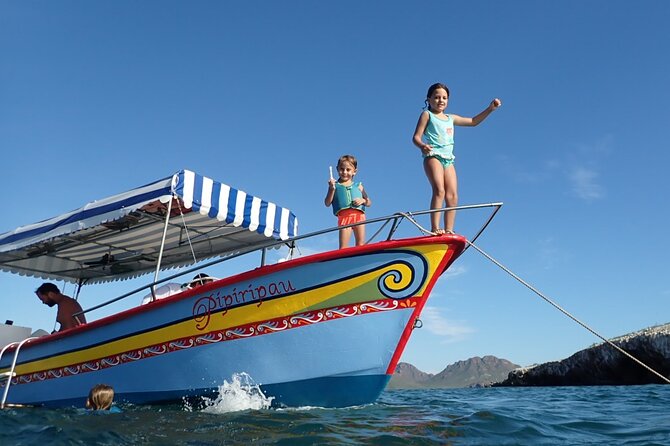
The tour runs about 3 hours, starting at 12:30 pm. With a maximum of 8 travelers, you’re not stuck behind a crowd or fighting for attention when the biologist starts pointing things out. And since it’s offered in English, you can expect clear, plain explanations throughout.
The day has a simple rhythm:
- Short viewing stops where the guide can scan and explain.
- One longer dolphin bay segment, because animal behavior often takes time.
- A final anchored break for food, conversation, and possible snorkeling.
If you want to maximize the day, show up ready for water time. Bring whatever you need to be comfortable in sun and on a boat, and keep your expectations flexible, especially if wind or swell changes the snorkeling plan.
Stop 1: Bahia San Carlos and the Esterito mangrove estuary
The day begins at Esterito, the mangrove estuary at the northern end of Bahia San Carlos. This is a great way to start because mangroves are busy but not always obvious from shore. You’re cruising through turquoise water while the guide highlights what’s happening in the roots and shallows.
Here’s what’s special about this stop:
- You can see extensive mangroves, including red mangrove (Rhizophora mangle).
- You’re in a prime area for marine birds feeding among the mangroves.
- As the boat motors across Bahia San Carlos, you’ll also hear about nearby coastal spots, including the more secluded beaches of Caracol, El tomate, and El Acuario.
A good thing about starting in Esterito is that it sets the tone. Once you understand how the mangroves function as habitat, the later bird and dolphin moments make more sense.
Stop 2: Roca San Nicolimaás and the blue-footed booby colony
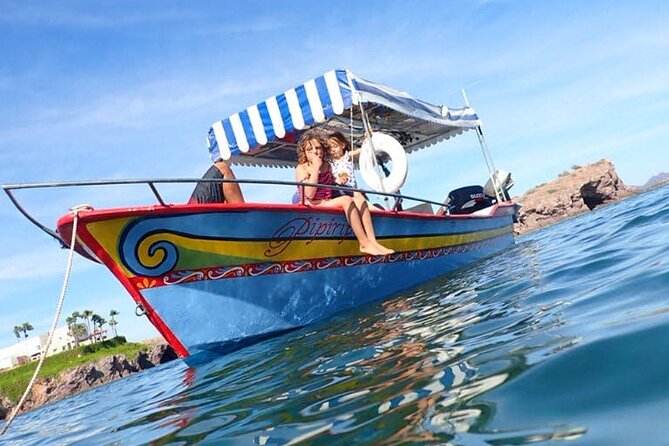
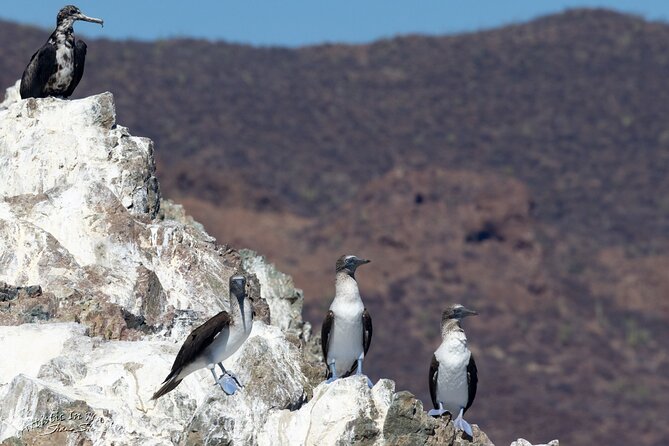
Next comes Roca San Nicolimaás, an island that’s rocky and coated in white guano. That guano matters, because it’s not just bird waste, it’s evidence. It points to big bird populations and, indirectly, to the fish supply that supports them.
This stop is also where binoculars really pay off. The guide will help you focus on birds frequenting the island, and a standout is the blue-footed booby (Sula nebouxii), which nests here.
Practical note: since the island is rocky and guano-covered, you’re mostly scanning from the boat. This works best if you’re comfortable taking a moment to look, not trying to “do” the stop. The payoff is the bird detail you can catch when you’re not rushing.
Stop 3: Isla La Raza, flat-top nesting and seabird patterns
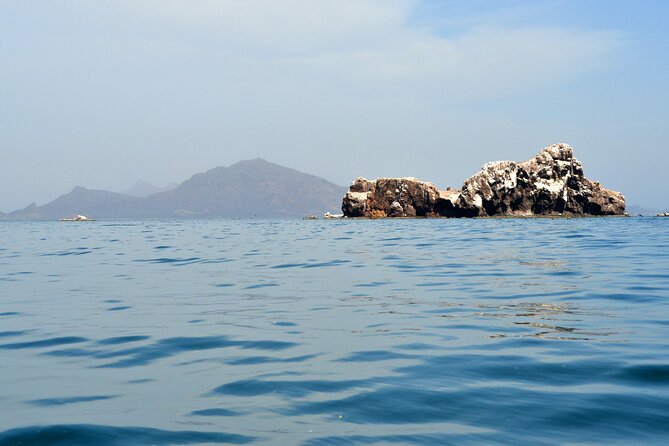
Then you move to Isla La Raza, a different kind of island. Instead of rocky, it’s flat and wide, and that shape creates nesting conditions for large birds.
You’re likely to spot brown pelicans (Pelecanus occidentalis) nesting on the flat top as you approach. Like other islands in the Sea of Cortez on this route, the island is covered in white guano, showing how frequently birds use the space and how much food resources are available nearby.
This stop is a good example of what makes a guided trip better than a drive-and-look plan. You’ll get the “why” behind the shapes you’re seeing, not just the what.
Stop 4: Bahía San Francisco, bottlenose dolphins and behavior you can watch
The biggest wildlife moment for many people is Bahía San Francisco. This bay stretches from San Carlos toward mangrove areas like Estero Soldado, and it’s also framed by Playa San Francisco sands.
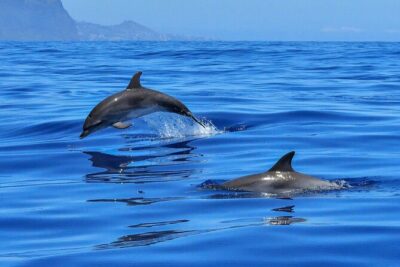
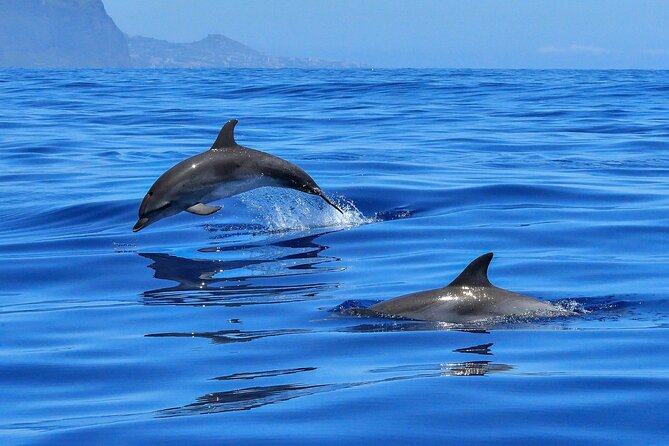
The tour focuses on a local pod of bottlenose dolphins (Tursiops truncatus). What you’ll be looking for is behavior:
- Dolphins that sometimes ride the bow of boats.
- Young individuals swimming with mothers.
- Cooperative hunting behavior as they feed on striped mullet (Mugil cephalus).
This is also a smarter way to set expectations. Dolphin sightings are never guaranteed in the way a museum ticket is, but the guide isn’t treating dolphins like a lucky bonus. The approach is to look for patterns and then explain what you’re seeing as it happens.
And based on the vibe from the host’s reputation, you should be ready for a lively, patient style of guiding when dolphins show up (or when they do not yet).
Stop 5: Playa San Francisco, ceviche first, snorkeling if conditions allow
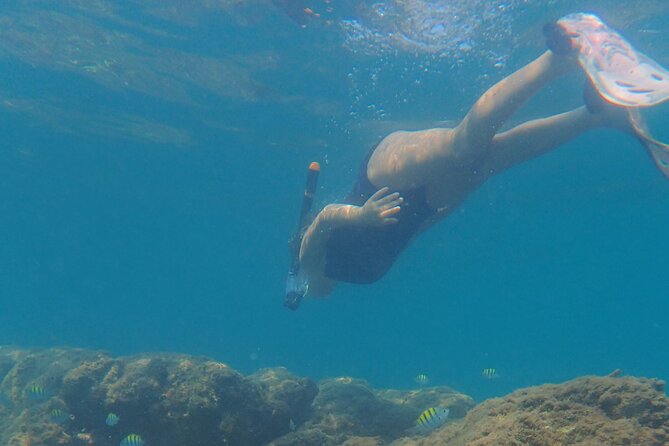
From the dolphin bay, you’ll anchor on the eastern side of Isla La Jama at Playa San Francisco. This is where the tour slows down and becomes more of a hangout.
You’ll enjoy freshly made ceviche along with refreshments while you talk through what you’ve seen. Then, if the weather and water cooperate, snorkeling is encouraged. The protected area means less swell, which often makes it easier to focus on marine life rather than fighting the water.
What makes the snorkeling spot promising is simple: protected water plus nearby reefs in a sea known for clear, shallow marine organisms. You’ll be in the right place to notice more than just fish flashing by.
A small but useful detail: the host is known for setting people up for snorkeling and keeping practical items on hand. For example, vinegar is mentioned as being available for an unfortunate jellyfish sting. That kind of preparedness can make a big difference when you’re in the water.
What $80 buys you, and why it’s good value
At $80 per person for about 3 hours, the value depends on what you care about. If you’re only chasing one thing, like a beach or a quick dolphin sighting, you might feel like you could do it cheaper on your own.
But this tour bundles several things you’d normally have to pay for separately or organize yourself:
- A marine biologist perspective on birds, habitats, and dolphin behavior.
- Multiple habitat types in one outing, so you see more than one “version” of the coast.
- Binocular time and wildlife-focused stops rather than generic sightseeing.
- A meal included, freshly made ceviche.
- Optional snorkeling in a protected area.
Also, the group limit of 8 travelers is part of the pricing logic. Smaller groups tend to make spotting and explanations more effective, and that’s where a guided wildlife tour justifies itself.
The boat, the guide style, and the practical extras that matter
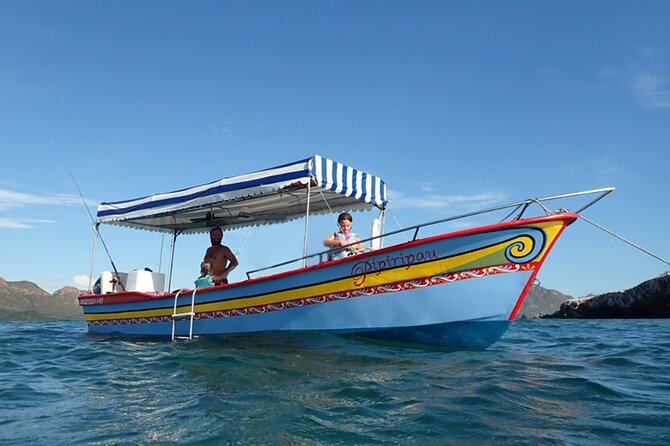
This trip stands out in how it’s presented. The host is a marine biologist by training, but the real benefit is how he communicates. In practice, you should expect a calm, friendly teaching style and room for questions.
You’ll also benefit from the small details:
- Binoculars are provided for island bird spotting.
- The route includes short, focused stops, so you get time to look and listen.
- The guide helps with snorkeling readiness when it’s offered.
- If you’ve got some Spanish under your belt, the host is comfortable mixing languages and encouraging practice.
One more practical angle: if you’re the type to ask lots of questions, this is a good fit. The day is structured so there’s always something to interpret, not just “floating.”
Tips before you go: seasickness, sun, and how to get more out of each stop
You should plan for the tour’s main requirement: good weather. If conditions are rough, the experience may be rescheduled or refunded, so don’t lock in other tight plans for that afternoon.
If you’re prone to seasickness, the tour specifically recommends taking Difenidol about an hour before the trip. That matters because a boat ride through bays can get bumpy, and it’s much easier to enjoy dolphins and snorkeling when your stomach is on your side.
To get more from the day:
- If binoculars are available, use them early, not only at the last island. Your eyes adjust faster once you’ve practiced for a few minutes.
- Ask the guide what you’re looking at. For example, ask how mangroves connect to bird feeding, or why guano shows up in certain patterns.
- When snorkeling is encouraged, keep your attention on slow, careful looking. In protected water, you’ll often see more when you stop chasing fast fish.
Who this tour suits best, and who may want a different plan
This is a strong choice if you:
- Love wildlife, especially seabirds and marine mammals.
- Want science explanations tied directly to what you’re seeing.
- Like a day that includes both water time and a proper food break.
- Prefer smaller groups and interactive guiding.
It may not be your best match if:
- You hate boats and you know you get sick easily. (You can plan medication, but the motion is still real.)
- You need guaranteed snorkeling every time. The plan encourages snorkeling when conditions allow.
If you’re flexible and curious, you’ll probably have one of those afternoons that feels like more than the sum of its stops.
Should you book this San Carlos marine biologist boat tour?
Yes, if you want an experience that turns the Sea of Cortez into a guided story. For $80, you get multiple habitat stops, binocular-ready bird watching, a focused dolphin bay moment in Bahía San Francisco, and included ceviche. Add in optional snorkeling near Isla La Jama, and you get a well-rounded half-day that’s hard to recreate on your own without a guide.
Book it especially if you like learning while you look. Just go in with one clear expectation: nature sets the pace. If weather is good and the pod is active, you’ll leave with the kind of memories that stick.
FAQ
How long is the boat tour?
The tour lasts about 3 hours.
Where does the tour start?
It starts at Educational adventure tours of San CarlosLa, Choya, Bahia, 85506 San Carlos, Son., Mexico. The activity ends back at the meeting point.
What time does the tour depart?
The start time is 12:30 pm.
What is included during the tour?
You’ll have binoculars for bird viewing, freshly made ceviche, and snorkeling is encouraged if the weather and conditions allow. The tour is offered in English.
How many people are in the group?
The tour has a maximum of 8 travelers.
What animals or birds can I expect to see?
You may see marine birds in the mangroves, blue-footed booby on Roca San Nicolimaás, brown pelicans on Isla La Raza, and a pod of bottlenose dolphins in Bahía San Francisco.
Is the tour okay if I get seasick?
If you easily get seasick, the tour recommends taking medication such as Difenidol about an hour before the tour.
What happens if weather is bad?
This experience requires good weather. If it’s canceled due to poor weather, you’ll be offered a different date or a full refund.
Can I cancel and get my money back?
Yes. You can cancel for free up to 24 hours in advance for a full refund. Canceling less than 24 hours before the start time does not get refunded.