
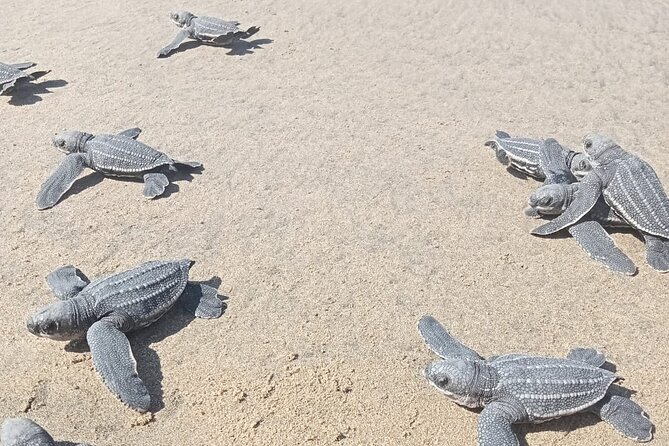
Reviewed · SWIMMING WITH SEA TURTLES
Baby Sea Turtle Releasing Sightseeing Tour with Luis de la Maza
Handing a hatchling its first sprint matters. This Baby Sea Turtle Releasing tour with Luis de la Maza takes you from Zihuatanejo to Juluchuca, a quiet coconut-macaron community, where you learn the three turtle types and why protection gives them a fighting chance. You also get a close-up, hands-on moment watching the hatchlings move toward the surf.
I like that the plan is simple and direct: a short briefing, nest selection and careful handling, then you carry the hatchlings about 25 feet to the wet sand so they can head into the ocean on their own. The only drawback to weigh is the setting, this is a real rural beach and conservation site, not a polished resort stop, so expect rustic conditions and a lot of driving.
In This Review
- Key Highlights You Will Actually Care About
- Getting There: The Zihuatanejo to Juluchuca Turnoff
- Juluchuca, Coconut Macarons, and Why the Beach Location Is Everything
- The Sea Turtle Lesson: Three Species and the Survival Math
- Nest Selection: Watching Eggs, Then Letting Nature Keep Its Part
- The Wait With the Hatchlings: Why the Timing Feels Strange
- The Release: Carrying Them to Wet Sand and Watching the Sprint
- What You Actually Get for $65.75: Value in the Real Stuff
- Comfort and Logistics: What to Bring and How to Plan Your Afternoon
- Who This Tour Fits Best (and Who Might Think Twice)
- Should You Book the Baby Sea Turtle Release Tour?
- FAQ
- What time does the Baby Sea Turtle Releasing Tour start?
- How long is the tour?
- Is pickup available?
- Is the tour offered in English?
- What is the group size limit?
- What’s included in the ticket price?
- Is dinner included?
- What happens during the release portion of the tour?
- Does the tour require good weather?
- What is the cancellation policy?
Key Highlights You Will Actually Care About
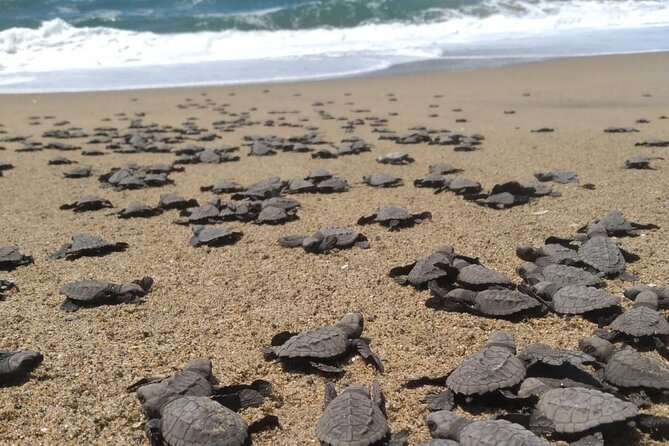
- A remote beach designed for fewer disturbances, Juluchuca is chosen because it’s long and secluded.
- Real conservation steps, you help move newly hatched turtles to safer wet sand right at release time.
- Short, focused learning first, you’ll get the life cycle overview before you get involved on the sand.
- Three species, one local story, the guides cover the different kinds that nest here and why survival is hard.
- Guides with local turtle experience, Luis is the main name you’ll see, and the operation is supported by the turtle team on site.
Getting There: The Zihuatanejo to Juluchuca Turnoff

This tour starts at 2:00 pm, and the full experience runs about 3 hours 30 minutes including travel time. If you’re staying in Zihuatanejo, the rhythm is straightforward: you get picked up (if you chose pickup), ride to the rural community of Juluchuca, then spend the heart of the afternoon at the turtle-release location.
The trip itself is part of the deal. Juluchuca is not in the tourist core, and the point of that distance is practical, it keeps the nesting zone quieter and less exposed to constant foot traffic. One detail I appreciate: pickup is organized. Your guide will identify themselves and mention your name at the hotel lobby, so you are not doing detective work with a crowd.
For many visitors, the biggest comfort win here is that you travel in an air-conditioned vehicle. For a tour that depends on weather and timing, having a cool ride and a tight schedule matters.
More turtle snorkels across Zihuatanejo, same treatment
- Baby Sea Turtle Releasing Sightseeing Tour with Luis de la Maza
★ 5.0 · 111 reviews
Juluchuca, Coconut Macarons, and Why the Beach Location Is Everything
Juluchuca is famous locally for coconut macarons, which sounds like a fun side note until you connect it to the real reason this site works for sea turtles. The area is described as having a long, secluded beach. Sea turtle mothers need nesting spots that are far enough from the noise and chaos of busy towns.
That geography shapes what you do next. Before you ever touch anything, the guide sets expectations with a discussion of the sea turtle life cycle, the species that nest in the region, and the predators that threaten turtles both before they reach the ocean and after they are out there.
In other words, you are not just watching a feel-good moment. You are learning why this exact beach, on this exact stretch, is selected for hatch success. That is a big reason people leave impressed and not just emotional.
The Sea Turtle Lesson: Three Species and the Survival Math
On site, you get a clear explanation of the turtle program. It starts with how sea turtles live through each stage, then it moves into the specifics of the three types that nest in this part of Mexico. You will also hear about the predators that take a toll before hatchlings reach open water, and the predators that can still reduce survival after they enter the sea.
The briefing is intentionally short, about 20 minutes, and it’s timed so you are ready for what comes next. The practical value is huge. When you understand what threats the hatchlings face, the release is no longer a random moment with tiny animals. It becomes a real action that supports conservation work.
And it makes family visits work better too. Kids tend to stay engaged when they understand the goal. Parents tend to relax when they feel the guide is steering the experience, safety included.
Nest Selection: Watching Eggs, Then Letting Nature Keep Its Part
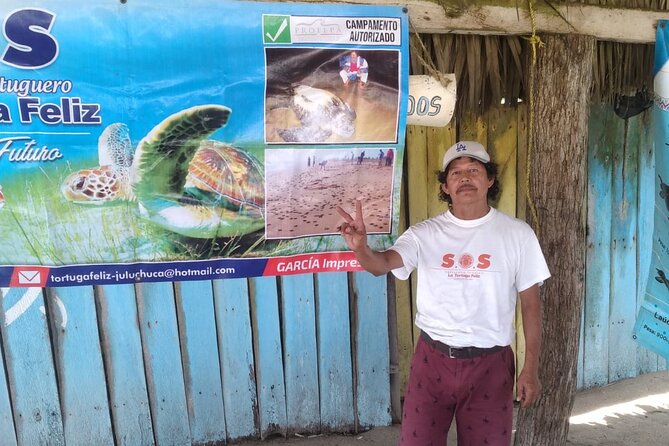
Once the group has the basics, the tour shifts from talk to technique. You first select a nest that was found the day before. Then you see how the team carefully removes a little sand so you can view an egg, and then they cover the nest again.
That “see, then cover” step matters. It’s one of the reasons the experience feels respectful rather than sensational. You get a direct look at what’s happening without turning the nest into a distraction.
Then the focus changes to the nest that is hatching right then. This is the moment where the tour becomes truly memorable. You will witness the hatchlings come up to the surface. At that point, the process moves into the safe handling phase where the hatchlings are placed in a small container.
The Wait With the Hatchlings: Why the Timing Feels Strange
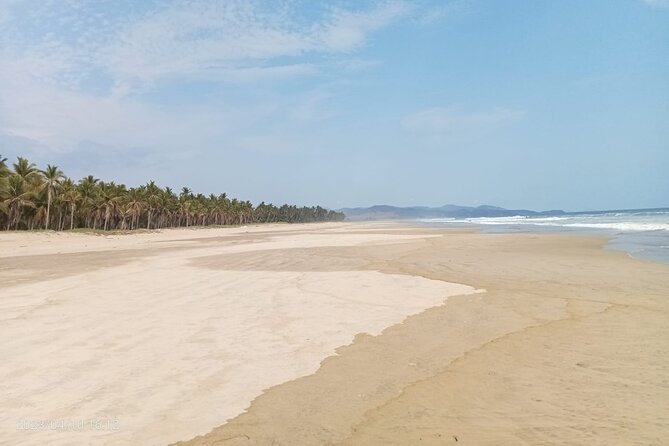
Here’s what to expect and why you might notice the pacing. The hatchlings stay in a small container for about 10 to 20 minutes until they are active and ready. It’s not instant, and that waiting can feel both long and short at the same time.
The reason is simple: hatchlings need to be active before they can make the run to the ocean. Guides are watching for readiness, and you are learning the life-or-death logic behind the routine.
This waiting period also gives you time to listen. The best part of these tours is often the human explanation that fills the gaps. You may hear more about how local teams patrol the beach, protect nests, and manage threats. Luis is one name tied to the guiding style here, and site support teams are part of the experience too.
- Private Ixtapa and Zihuatanejo City Tour★ 5.0 · 137 reviews
- Ixtapa Island Tour★ 4.5 · 134 reviews
- Xihuacan Culture and Archaeology Tour★ 5.0 · 116 reviews
- Las Gatas Kayaking and Snorkeling Tour★ 5.0 · 110 reviews
- Zihuatanejo Food -Tasting and Walking Tour (Not for vegetarian)★ 5.0 · 82 reviews
- Horseback Riding on the Beach★ 4.5 · 54 reviews
- City and Country Side Tour with Luis★ 5.0 · 43 reviews
The Release: Carrying Them to Wet Sand and Watching the Sprint
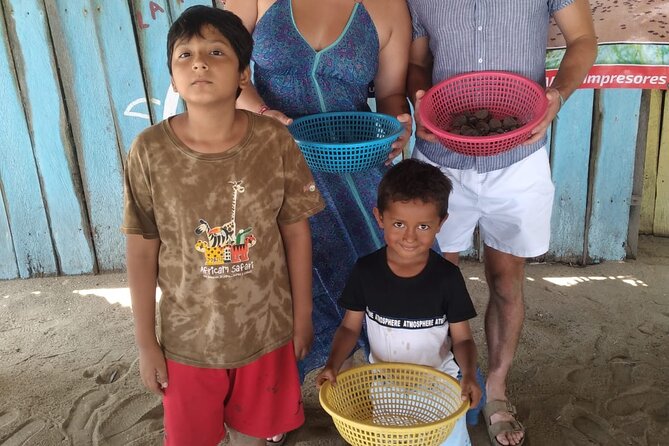
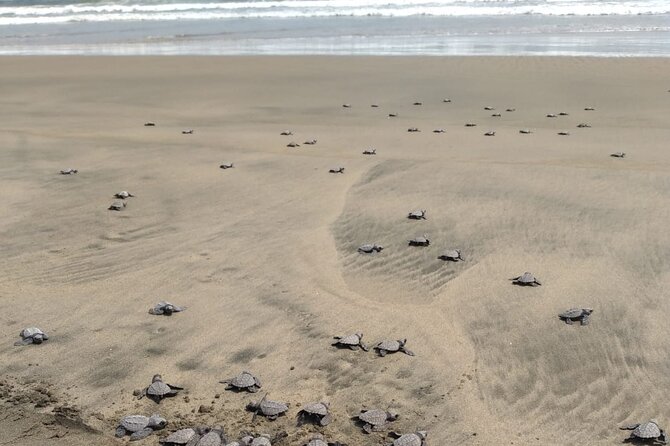
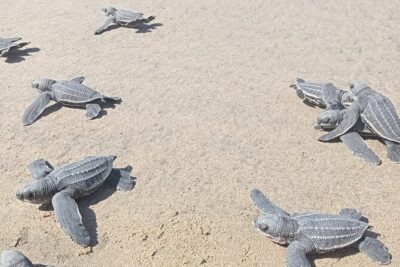
When the hatchlings are ready, you take part in the release. The hatchlings are transported to the wet sand, about 25 feet away from the ocean. Then they go into the sand, and as soon as they are placed, they run toward the water.
You do not release them into the ocean directly from your hands. You help provide the clean first steps on the wet beach where they can find the right path. The group waits until all hatchlings make it into the water.
Two practical points help you enjoy this moment rather than stressing through it:
- Expect coordinated calm. The team is moving at a controlled pace, not a chaotic “grab and go.”
- Look for the natural cues. The goal is that the hatchlings move on their own, so the release depends on their energy and behavior.
Some visitors also note timing influenced by seabirds, like frigate birds, which can affect the moment when it is time to proceed. Even if birds are not the main focus of the official script, you may notice the team watching conditions before they let the group move.
What You Actually Get for $65.75: Value in the Real Stuff
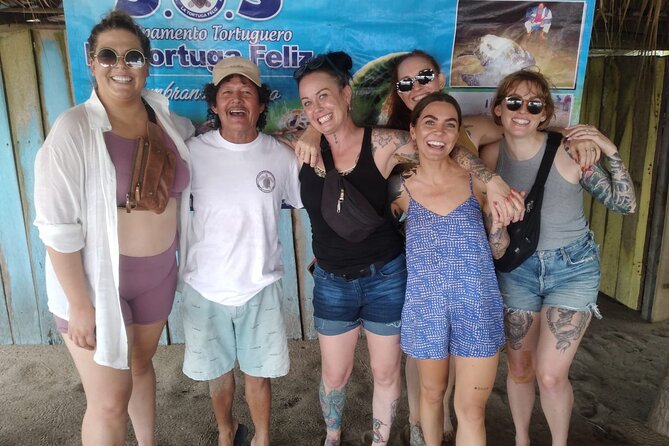
The price is $65.75 per person, with a duration of about 3 hours 30 minutes including transport. On paper, that might sound like a standard excursion. In practice, the value is tied to what’s included and what’s happening during your time.
You are paying for:
- Air-conditioned vehicle transport
- Tour guide service
- All fees and taxes
- The experience at the turtle site, including the instruction and the nest-and-release flow
Dinner is not included, so you will want to plan for a meal after the tour. That affects value depending on your schedule. If you already had dinner plans, you are fine. If you were counting on this as your main meal solution, you’ll need to adjust.
The other value factor is group size. This tour runs with a maximum of 30 travelers, which keeps it from turning into a long, crowded production line. And depending on demand, it can feel smaller in practice, with some days running like a more intimate outing rather than a mass group.
One caution about value: one critique you should keep in mind is that part of the experience is essentially transport to the conservation center. If you prefer minimal driving and maximum time at the water, you might feel the van minutes more than someone else.
Comfort and Logistics: What to Bring and How to Plan Your Afternoon
The tour runs in the afternoon, starting at 2:00 pm, so you’re likely coming straight from a beach morning or a late lunch. Since the release is tied to conditions on the sand and the timing of hatchlings, you should aim to keep the rest of your day flexible.
What you can control:
- Wear beach-appropriate footwear. You will be on sand.
- Bring sun protection. Juluchuca is described as remote and beachy, which usually means strong sun.
- Plan for a cooler evening snack after. The tour ends after the release and waiting.
What you should not overplan:
- Don’t schedule anything that depends on perfect timing right after the tour.
- Leave buffer time for travel back to Zihuatanejo.
English is supported, and the tour uses mobile ticketing, so you should have your phone charged and accessible when you meet your guide.
Who This Tour Fits Best (and Who Might Think Twice)
This is a strong fit if you want a conservation-based activity with real responsibility, not just a photo moment. It also works well for couples and families because the script is easy to follow: brief lesson, nest viewing, hatchling release, and a chance to see the process end with hatchlings running to the ocean.
It’s also a good match if you appreciate rural Mexico experiences. Juluchuca is described as a community with local production like coconut macarons, and the turtle program relies on local stewardship. You get a sense of how people live and work around the environment.
Who might think twice? If the idea of holding hatchlings in a container and participating in a hands-on release makes you uncomfortable, you may want to consider a purely observational wildlife tour instead. The tour is designed around guest participation, and you should go in ready for involvement, even if it’s brief.
Also, if you want luxury comfort and a resort-style schedule, you might find the rustic conservation setting less appealing. The tradeoff is authenticity and purpose.
Should You Book the Baby Sea Turtle Release Tour?
Book it if you want a bucket-list type experience that is guided, structured, and tied to conservation outcomes. The best reasons are also the simplest: you learn before you act, the hatchling release is done with care, and you’re supporting a remote nesting beach strategy that helps reduce human and environmental risks.
Skip it or choose a different format if you dislike long rides for short stops, or if you prefer a more hands-off nature experience. Also, plan around food. Since dinner is not included, make sure you’re not starving at the end.
If you do book, go with the right mindset. This is not a theme park. It’s a conservation routine on a real beach, and it works because the people there care about how hatchlings get their first chance at the sea.
FAQ
What time does the Baby Sea Turtle Releasing Tour start?
The tour start time is 2:00 pm.
How long is the tour?
It lasts about 3 hours 30 minutes, including travel time.
Is pickup available?
Yes. Pickup is offered, and the guide will pick you up at your hotel lobby and mention your name.
Is the tour offered in English?
Yes, it is offered in English.
What is the group size limit?
The tour has a maximum of 30 travelers.
What’s included in the ticket price?
The price includes an air-conditioned vehicle, tour guide service, and all fees and taxes.
Is dinner included?
No, dinner is not included.
What happens during the release portion of the tour?
You may help with nest activities, witness hatchlings come up to the surface, observe them being placed in a small container, and then help carry them to the wet sand about 25 feet away so they can run to the ocean. The group waits until they reach the water.
Does the tour require good weather?
Yes. The experience requires good weather. If it is canceled due to poor weather, you will be offered a different date or a full refund.
What is the cancellation policy?
You can cancel for free up to 24 hours in advance for a full refund. If you cancel less than 24 hours before the start time, the amount paid is not refunded.
Keep comparing guided outings across Zihuatanejo

More turtle snorkels that made the Zihuatanejo cut

Not quite it? More Zihuatanejo tours from our review pile


Swimming with Sea Turtles in one list.
 ★ 5.0Half-Day Sea Turtle and Cenote Snorkeling Tour from Cancun & Riviera MayaFrom $992,039 reviews
 ★ 5.0Tulum Ruins, Turtles in Akumal and Cenote tourFrom $1291,706 reviews
 ★ 4.55-in-1 Cancun Snorkeling: Turtles, Reef, Musa, Shipwreck, CenoteFrom $791,678 reviews
 ★ 5.0Hidden Cenote Swim: Snorkeling, Sea Turtles and Beachside LunchFrom $1691,222 reviews
 ★ 5.0Full Day Tulum Ruins Tour Cenote and Swimming with Sea TurtlesFrom $1311,171 reviews
 ★ 4.5With Turtles, Shipwreck, Cenote, and Reef and Transport IncludedFrom $791,102 reviews
 ★ 4.5The Cozumel Turtle Sanctuary Snorkel TourFrom $651,041 reviews
 ★ 5.04 Hour Cozumel Turtle Sanctuary Experience on a Luxury CatamaránFrom $77608 reviews
Where else it sits